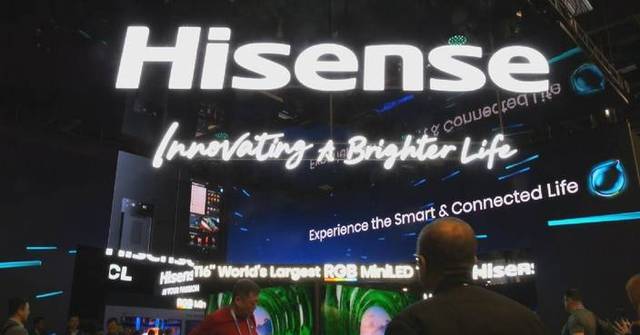
Chinese tech companies and startups have performed well this year at the Consumer Electronics Show (CES) in Las Vegas, the world's leading technology event, showcasing a wide range of advanced products and prototypes powered by embedded artificial intelligence (AI).
Outside the Las Vegas Convention Center, CES-related events were held all over the place, including Global Connect, hosted by iMpact, a company that helps Chinese companies expand overseas.
Chris Pereira, founder and CEO of iMpact, said: “I think one of the things that China is doing really well right now is connecting AI to hardware. So AI and robotics, as you see around here, robot coffee makers, robot cocktail makers, robot vacuum cleaners, pool cleaners, there are robots everywhere that do real tasks. So you're actually using AI to do physical tasks in the real world.”
At CES 2026, Ascentis, a robotics company founded by Chinese mountaineer Feng Xia, debuted as the world's first commercial product with a modular exoskeleton system positioned for everyday mobility, outdoor activities, and occupational endurance rather than niche or extreme use cases.
“In fact, this exoskeleton space is currently booming in China. In many places, exoskeletons are being used to help people walk. And the rental fee is about 200 to 300 yuan per time. And you can use it all day just to climb mountains,” said Feng Xia, co-founder of Ascentis.
This is a concept that Feng wants to bring to the US, but by using the latest modular belts that are open source, US developers will also be able to contribute ideas to improve the product.
“China has the most capable manufacturing and supply chain ecosystem in the world, and the United States also has the most advanced software, open source development ecosystem. That's why we're building this exoskeleton hardware from both China and the United States with an open platform design that allows us to combine them through innovation,” Feng said.
At the world's leading technology event, almost everything is incorporating AI, including an AI refrigerator from Chinese consumer electronics provider Changhong.
“This refrigerator is equipped with a gentle free zone. Raw meat can remain frozen and fresh for 33 days,” said Nadia Fokova, a spokeswoman for Chanhong.
At another popular off-site event called Pepcom, Chinese companies are offering technology that not only fills the floors, but also makes them easier to clean.
xLean, a new smart robot brand based in China's technology hub Shenzhen, has unveiled a dual-form floor cleaning robot designed to function as both an autonomous robot vacuum and a handheld cordless floor cleaning machine. The company describes it as the world's first transformable model of its kind.
Co-founder Terrence Liu said the company aims to launch its AI-powered floor cleaning machine in the global market this summer.
“My dream is to create devices, robots, or hardware to make life better,” Liu said.
The annual trade show opened on Tuesday and attracted thousands of exhibitors from more than 155 countries and territories, according to the Consumer Technology Association (CTA), the organizer of CES.
More than 400 conference sessions are scheduled during the four-day event, featuring more than 1,300 speakers from the global technology industry.
Since its inception in 1967, CES has been widely regarded as a barometer of global consumer technology trends. Against a backdrop of economic uncertainty and rapid technological change, this year's show highlights a clear push toward AI-driven innovation, cross-industry integration, and solutions that address long-term global needs.

Chinese AI applications take center stage at CES in Las Vegas
According to official data on Wednesday, China's foreign exchange reserves stood at US$3,357.9 billion at the end of December 2025, an increase of US$11.5 billion (0.34%) from the end of November.
The State Administration of Foreign Exchange said that the US dollar index fell last month and global financial asset prices showed mixed movements due to the influence of macroeconomic indicators and the monetary policies of major countries.
According to the administration, China's foreign exchange reserves increased in the month due to exchange rate translation and changes in asset prices.
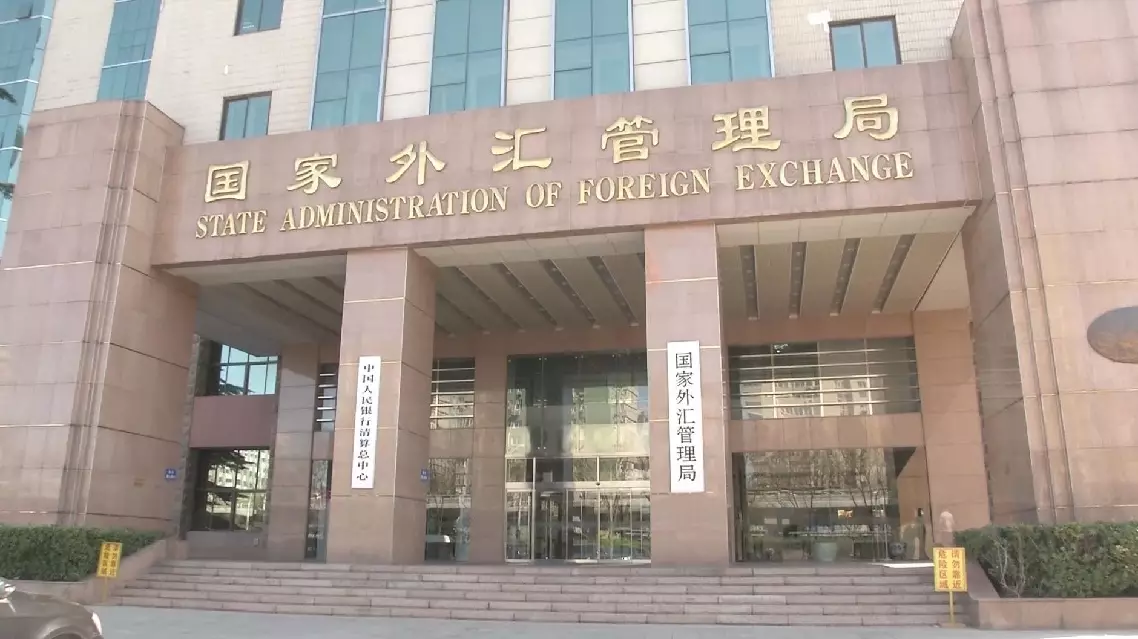
China's foreign exchange reserves will increase in December 2025