For several years, Daniel Bechsel's research team has been studying which drugs, individually or in combination, can cure or slow the disease. The new study, published in the journal EMBO Molecular Medicine, specifically looked at drugs already approved for other diseases. This is an approach known as drug repurposing.
“This disease has a high risk of recurrence. Chemotherapy drugs often work well at first, but as the cancer returns, it becomes more resistant,” says Daniel Vexel, head of the Molecular Pediatric Oncology Research Team at Lund University.
In this new study, researchers collaborated with British AI/biotech company Healx, researchers from Karolinska Institutet, and two childhood cancer charities, the UK-based aPODD Foundation and Italy-based ENEA (European Neuroblastoma Association). Using machine learning, a potentially effective drug against neuroblastoma has been identified. A large amount of data about how drugs work is used, along with knowledge about genes specifically related to neuroblastoma.
Researchers at Lund University are using this information to test drugs against aggressive neuroblastoma tumors developed by patients. The drugs were first tested individually and then in combination.
“We quickly realized that the two drugs could have an effect individually, but when they are combined, their effect is very powerful, a powerful synergistic effect,” says Katarzyna Radke, a former doctoral student in the research team and lead author of the study.
The drugs involved included lipid-lowering statins and phenothiazines, which are used to treat migraines and nausea.
It has long been known that statins prevent new cholesterol from forming. Researchers have now discovered that phenothiazines also lower cholesterol levels, but in another complementary way.
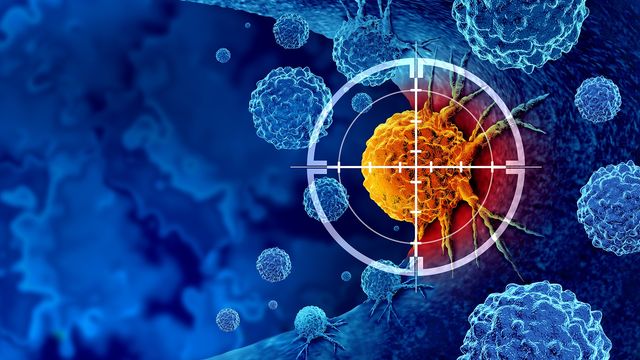
“This lowered the cholesterol levels in the tumor cells. Many tumor cells died, and those that survived were sensitive to chemotherapy drugs. We knew that cholesterol was important for tumors, but we were surprised that it had such a strong effect,” says Daniel Bexel.
In clinical trials, this drug combination could impede tumor growth and improve mouse survival. Further research is currently needed to enhance the chemical properties of the two drugs to optimize efficacy.
“But in our trials, this treatment looks very promising, even in resistant tumors,” says Daniel Bexel.
reference: Radke K, Aaltonen K, Muciño-Olmos EA, et al. Repurposing statins and phenothiazines to treat chemotherapy-resistant neuroblastoma. EMBO Molmed. 2025.doi: 10.1038/s44321-025-00349-6
This article has been reprinted from the following material: Note: Materials may be edited for length and content. Please contact the citation source for details. You can access our press release publishing policy here.