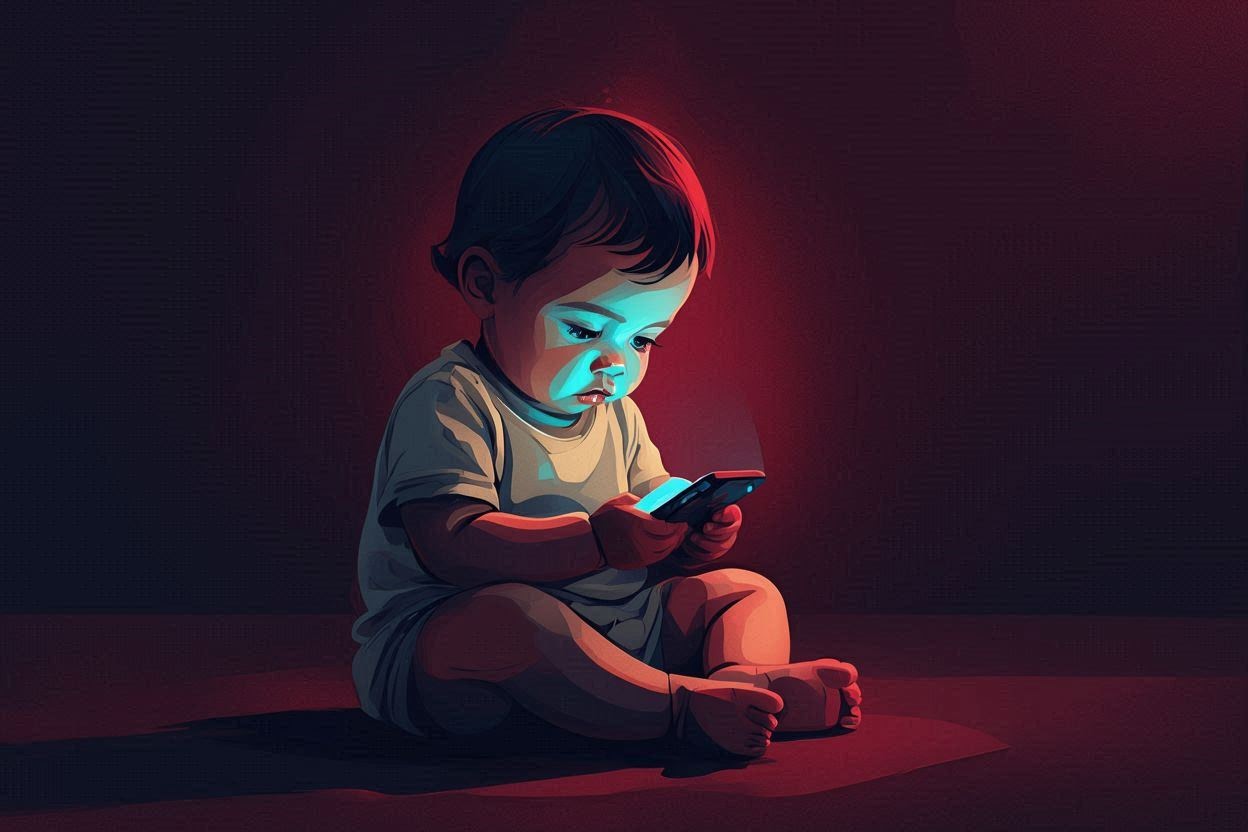
YouTube creators are using AI tools to churn out videos aimed at infants and young children, drawing concerns from child development experts.
Monique Hinton, who has over 1 million followers, recently posted a tutorial showing how to use ChatGPT and an automatic video maker to generate content for kids. This process takes a few minutes and can create animated clips with dancing animals and bright colors. Hinton told viewers that they could potentially earn hundreds of dollars each day this way.
The potential audience is significant. According to Pew Research Center data, 62% of American parents with children under 2 let their children watch YouTube, and more than one-third of parents say their children watch YouTube every day.
Rachel Franz, program director at children’s advocacy group Fair Play, warned Bloomberg that exposure to AI-generated materials during early brain development could affect how children distinguish between real and fake.
Developmental pediatrics experts said many of these videos prioritize attention-seeking over providing educational value or consistent storytelling.
YouTube disputed this concern. A company spokesperson said its platform policies actively discourage and penalize mass-produced, low-quality content.
The American Academy of Pediatrics recommends minimal screen time for children under 2 years of age, as this is a critical age for brain development.
Our take: There is nothing inherently wrong with AI-generated content. What matters is how it is used. Ethical issues arise when creating thoughtless, low-effort content for vulnerable audiences without considering the developmental implications. Transparency is also important, and labeling AI-generated content represents a fundamental accountability for responsible creators.

Note: This post was drafted with the help of AI tools, and reviewed, edited and published by humans. Image: DIW-Aigen
Read next: OpenAI tests “confess” method to uncover model cheating
[ad_2]
Source link