

Visual artificial intelligence (Visual AI) is a rapidly growing area in the technology industry that is revolutionizing the way image and video data are processed and analyzed. Visual AI is used in a wide range of applications, from face recognition and object detection to image classification and content analysis. This article explores the capabilities and possibilities of visual artificial intelligence and how it is being used in various industries and to improve our daily lives.
What is visual artificial intelligence (Visual AI)?
Before diving into the application of visual AI, it’s important to understand what it is. Essentially, visual artificial intelligence is a branch of artificial intelligence focused on analyzing and interpreting visual data such as images and videos. It uses machine learning algorithms and deep learning neural networks to identify patterns, classify objects, and extract meaning from visual information.

The branch of computer science known as “visual artificial intelligence” teaches robots how to interpret visual information in the same way humans do. Machines can use visual AI to interpret and recognize the meaning behind images, depending on how the algorithms are trained. This goes beyond simple vision. By comparing them to images we’ve already “seen”, we may be able to classify things in the image and determine whether each one is a table, chair, or lamp, much like humans do. Additionally, visual artificial intelligence is the technology behind other features such as QR code scanning, facial recognition, and visual search.
understanding computer vision
Computer vision is a branch of artificial intelligence focused on enabling computers to understand, interpret, and analyze visual data from the world around them. Analyze and interpret images and videos using machine learning algorithms and deep learning neural networks to identify patterns, classify objects, and extract meaning from visual information.
Application of visual artificial intelligence in various industries
One of the best-known applications of visual AI is facial recognition, which is used in security systems, social media, and even some retail stores. Other applications include object detection and tracking that can be used in self-driving cars, security cameras, and surveillance systems. In addition, visual artificial intelligence is used for image and video classification, which enables automatic tagging and organization of media.
The role of AI in robotics
Visual artificial intelligence has enabled the development of new technologies for a wide range of industries including healthcare, security, sports and entertainment, manufacturing, automotive and retail.
- in healthcarevisual AI is being used for medical image analysis, report automation, and improving diagnostic accuracy.
- in the security and surveillance industryvisual AI can help analyze crowds and behavior, track people and objects, and identify chaotic behavior.
- in sports and entertainmentvisual artificial intelligence is being used to analyze player performance, create three-dimensional simulations for referees, and measure fan mood and engagement.
- in productionVisual AI supports Industry 4.0 through applications such as package inspection, predictive maintenance, robotics, and defect detection and reduction.
- in the automotive industryvisual artificial intelligence is being used for safety and preventive measures such as automated and semi-automated driving, driver behavior analysis, traffic management and pedestrian detection.
- Visual AI is also used. consumer electronicsas well as Apple’s face detection and augmented reality, and social media platforms such as TikTok and Instagram.

How will visual AI impact the customer experience?
Visual artificial intelligence (AI) can have a huge impact on customer experience across industries. Here are some examples of how visual AI can be used to improve the customer experience.
- retail: Visual AI can be used in retail to personalize the shopping experience through targeted product recommendations and personalized promotions. It can also be used for inventory management, helping retailers track inventory levels and replenish as needed.
- E-commerce: Visual artificial intelligence can be used in e-commerce to improve product search and discovery through image and video classification. It can also be used to recommend products based on a customer’s search history and past purchases.
- customer service: Visual artificial intelligence can be used in customer service to automatically identify, classify, and route customer inquiries to the right agent to improve efficiency. It can also be used to analyze customer sentiment through analysis of facial expressions and body language.
- marketing: Visual AI is used in marketing to analyze customer engagement with ads and social media posts to help businesses better understand what content resonates with their audiences. It can also be used to create personalized and targeted marketing campaigns based on customer interests and behavior.
Overall, visual AI has the potential to significantly improve the customer experience by providing personalized recommendations, improving efficiency and accuracy, and helping businesses better understand and connect with their customers. It’s hidden.
Possibilities of visual artificial intelligence
The possibilities for visual AI are vast and ever-expanding. The healthcare industry uses visual AI to analyze medical images and improve diagnostic accuracy. Retailers are using visual AI to personalize shopping experiences and improve inventory management. The transportation industry uses visual artificial intelligence to improve traffic flow and safety. The possibilities are endless and it’s only a matter of time before visual AI becomes an integral part of our daily lives.
Artificial intelligence is both yin and yang
Visual AI is a growing market
According to Mordor Intelligence, the AI image recognition market is valued at USD 2,993.3 million in 2021 and is projected to grow at a CAGR of 20.97% from 2022 to 2027. Artificial intelligence (AI) is a field of technology that mimics human cognitive functions. Image recognition has long been considered one of the most beneficial and useful applications of artificial intelligence. The interdisciplinary field of computer science, image recognition, is closely related to computer vision and examines how well computers can identify and understand the content of images.
Will visual AI take over the world?
no. However, “robots” are replacing image processing. When we mention machine learning, most people imagine a dystopian future where machines run amok. Thankfully, man-machine warfare is just a Hollywood invention.
Despite the fact that machines won’t take the lead anytime soon, image and vision computing will eventually provide the type of assistance we all rely on. Data finally removes uncertainty from marketing decisions. Adopting machine learning as a service can harness the resources of visual perception and computer vision to eradicate erroneous business decisions. However, this does not negate the importance of the human brain.

Image analysis and computer vision make your business more effective than ever. You can target consumers individually and customize what you see based on the results of your visual analytics software. Get ready to take not only your marketing, but your company’s personalization capabilities to new heights. As a business tool, machine learning and visual artificial intelligence will be a complete game changer.
The Impact of Visual Artificial Intelligence on Social Marketing
If we could combine unique human qualities such as creativity and cognitive reasoning with the visual intelligence of computer vision to trigger image understanding, wouldn’t social behavior be greatly improved? Analysis can take the guesswork out of image output. Therefore, your future plans will produce consistently good results.
Machine learning has completely changed marketing strategy
The key to successfully navigating this terrifying new world is to embrace and adapt.A breed of photo recognition software powered by computer vision machine learning will completely transform the social marketing industry. Early adopters win. The sooner you adopt, the better your understanding and the greater your advantage.
- Targeted advertising: Use Visual AI to analyze customer engagement with ads and social media posts to help businesses better understand what content resonates with their audience. It can also be used to create personalized and targeted marketing campaigns based on customer interests and behavior.
- Social media analytics: Visual artificial intelligence can be used to analyze social media images and videos to identify trends, sentiments, and patterns that can help businesses understand their customers and target marketing efforts more effectively.
- Influencer marketing: It uses visual AI to analyze influencer content and identify those most likely to engage with your brand, helping businesses select the most effective influencers for their campaigns.
- customer service: Visual artificial intelligence can be used in social media customer service to improve efficiency by automatically identifying and classifying customer inquiries and routing them to the right agents. It can also be used to analyze customer sentiment through analysis of facial expressions and body language.
Overall, visual AI will greatly improve the effectiveness of social marketing by providing personalized recommendations, improving efficiency and accuracy, and helping businesses better understand and connect with their customers. It has potential.
The last word
Visual artificial intelligence is a rapidly expanding area in the technology sector, transforming the way image and video data are processed and analyzed. It uses machine learning techniques and deep neural networks to recognize patterns, classify objects, and extract meaning from visual data. Visual AI has many applications, including facial recognition, object identification and tracking, image and video classification, and more.
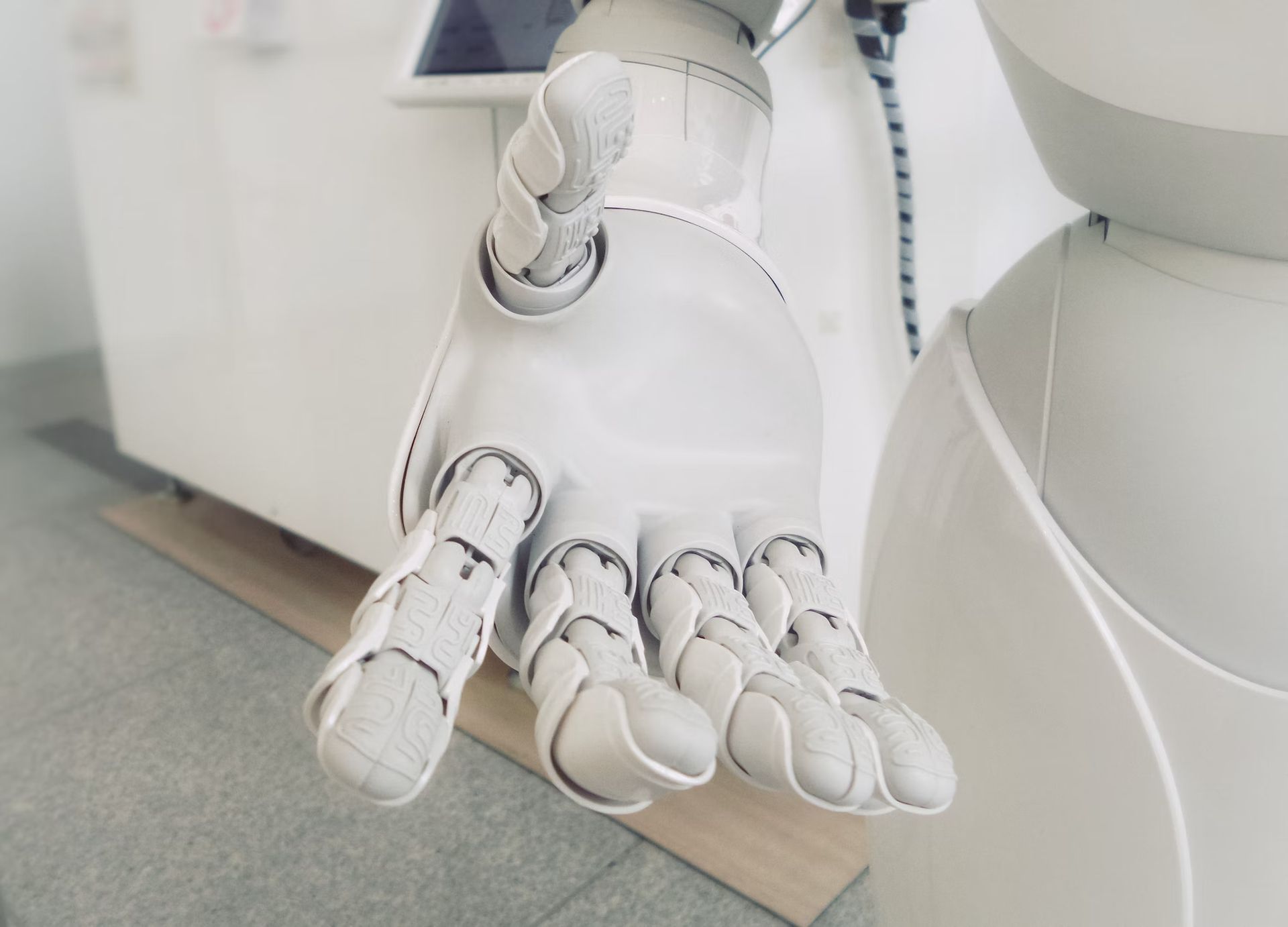
AI with a visual component could have a huge impact on various industries such as healthcare, retail, transportation, and manufacturing. It can be used to tailor shopping experiences, improve diagnostic accuracy, improve traffic flow and safety, and more. Visual artificial intelligence is also used to improve the customer experience by providing personalized recommendations, improving speed and accuracy, and helping businesses better understand and connect with their customers.
As the field of visual AI continues to improve, it could change the way we interact with and understand the world around us.


