

Illinois enacted the WOPR Act (wellness and surveillance of psychological resources) in 2025 due to growing fear of unidentified practices of artificial intelligence in mental health.
It was caused by the tragic suicide of 16-year-old Adam Lane after a prolonged interaction with the AI therapy chatbot.
Illinois was the first to completely ban AI systems from being licensed therapy providers.
The ostensible goal of the law is to defend the helpless person and maintain mental health treatment in the hands of qualified professionals.
Key provisions of the WOPR Act
| category | example | Specific rules | basis |
| It is permitted | Scheduling, billing, and file management | Clinic Management Process | Supports efficiency without hindering care |
| Meditation apps, mood trackers, motivational tools | Common Wellness Applications | Encourage personal growth tools while avoiding therapeutic claims | |
| Clinical trials, academic research | Research projects with expert supervision | It enables innovation under strict surveillance by licensed professionals | |
| Prohibited | Automated therapy bots pretending to be experts | AI chatbots that run diagnostic tests, provide prescriptions, or conduct counseling sessions | Lack of responsibility, lack of empathy, risk of harm to patients |
| Use AI for live therapy conversations instead of transcription/reminders | Authorized psychologists applying for AI during treatment sessions beyond minor support | Prevent AI in place of approved judgment | |
| A national platform blocked in Illinois | A company that sells AI-based mental health services directly to Illinois residents | Ensuring patients are guided by human experts |
Legislators sponsoring the WOPR Act wanted to clearly distinguish between technologies aimed at providing explicit psychological care and support management techniques.
Interacting with autonomous AI systems on very personal issues, experiencing unintended harm, increasing, and worrying continued.
What is prohibited
The prohibition under the law specifically addresses cases in which AI could replace itself or mimic human therapists.
Lawmakers viewed irresponsible AI interactions as dangerous. Because the latter can't be held responsible and lacks an empathetic touch as much as the essential training in treatment.
Important bans are:
- An artificially intelligent chatbot that conducts diagnostic tests, provides prescriptions, or conducts repeated counseling sessions
- Licensed psychologist to apply for AI while working on therapy sessions for purposes other than trivial background support, such as transcription or reming.
- Companies that sell AI-based mental health services directly to Illinois residents will also be able to use such services freely in other states.
- Law advocates believe that regulations avoid disasters as patients are guided by human experts in need, genuine medical or mental help.
What is allowed?
All AI applications are prohibited. Congress recognized that artificial intelligence is a valuable aid in non-medical practices.
Rather than prohibiting each application itself, the law allows AI programs that increase productivity and health without excludes the skilled discretion of experts.
The permitted uses are:
- Management processes such as scheduling, billing, and file maintenance that minimizes workloads for workers
- Common wellness programs such as meditation programs, mood monitors, and motivational programs are created as personal growth exercises rather than as therapy programs.
- Experts learn projects to oversee AI applications under managed circumstances, ensuring innovation progresses under strong management
Advocates of the WOPR Act frequently cite tragedy like the Adam Raine incident to argue that AI is unreliable in psychological care.
They point to legal precedents that even human experts are liable for medical negligence, such as Illinois lawsuits and emergency room misconduct that lead to multi-million dollar settlements.
For example, Rosenfeldinjurylaw.com outlines how patients regularly pursue justice through courts due to failing diagnoses or delayed treatment for Chicago ERS.
Enforcement mechanism
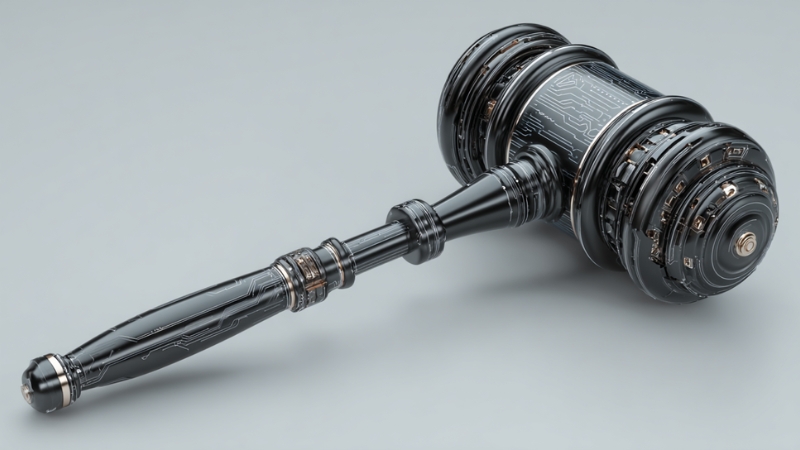
Effective regulations are also effective enforcement, and Illinois has designed an effective mechanism to gain compliance.
Lawmakers realized there was no penalty or oversight if businesses refuse to comply with restrictions.
Handing over responsibility to the Illinois Department of Financial and Professional Regulation gave them a single centralized agency that could monitor healthcare compliance and fines.
Key executive functions include:
- A $10,000 penalty for every violation indicates that the state is seriously serious about deterrence
- The supervision and investigation authority awarded to the Illinois Department of Financial and Professional Regulation. Ensuring widespread divisions to regulate compliance
- Prohibit non-replica businesses from doing business statewide
The industry's response reflects the flashy effect of the measures. Ash Therapy, a leading AI therapy vendor, quickly stopped access to Illinois users.
Other companies may follow suit after similar restrictions, as they have reputational and financial risks that do not comply with laws that outweigh Illinois' potential revenues.
Authorities also want obvious examples of how to tempt people to compliance as they discourage them from using loopholes.
Broader meaning and motivation
The WOPR Act not only shaping Illinois policies, but also sparked a national debate about the extent to which control states should exercise on artificial intelligence in healthcare.
Some observers view this behavior as a true patient safety measure, while others argue that reducing competition protects therapist's work.
Patient safety and economic protectionism
Illinois government officials justified the act as necessary to ensure vulnerable people.
They highlighted an explanation of the illness in which patients used unsupervised AI to treat serious emotional problems.
From their perspective, therapy should always remain in professionally trained hands that can respond with responsibility, care and competence.
Nevertheless, critics argue that the law also serves as a way to continue working for therapists through suppressing market advancements by AI competitors.
The main arguments that framble this argument are as follows:
- Advocates believe that AI debate is necessary for preventing patients who may mistake it for real therapy
- Critics argue that law protects experts by stealing competition and hinders advances in inexpensive digital mental health devices
Both perspectives reflect the constant conflict between improving medical technology and maintaining an old tradition of care.
Enforcement ambiguity
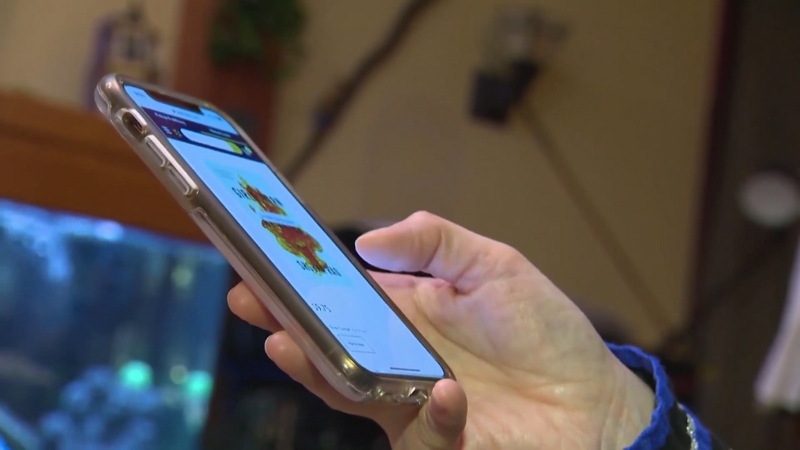
When AI tools blur the line between wellness and treatment, clear enforcement becomes more complicated.
Regulators face challenges in deciding where personal support ends and professional treatment begins.
Wellness apps often offer encouragement or guided exercises that may resemble real-world treatments, even if they are sold differently.
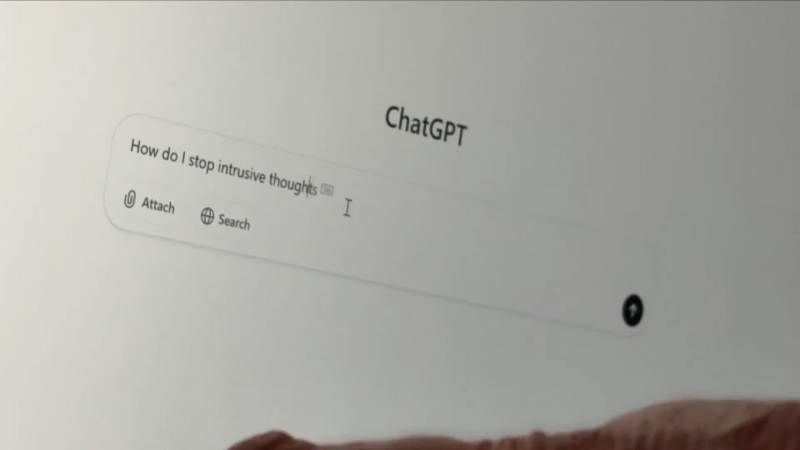
Platforms like ChatGpt complicate the issues even more as casual conversations can easily be moved into the mental health realm.
An example of a potential gray area is:
- Journaling apps that analyze mood data and provide motivational feedback raise questions about whether this qualifies as a treatment
- Meditation app that dynamically adjusts instructions based on user input and creates semi-personalized therapeutic effects
- A conversational platform that allows users to discuss anxiety, depression, or personal struggles and lead to advice that could lead to treatment
Such ambiguity increases the likelihood of litigation in which companies test legal restrictions in court.
Therefore, Illinois could face a future legal battle over how these provisions are actually interpreted and implemented.
Impact on the healthcare and high-tech sector
@drdennisschimpf AI has already changed medicines, but it's not always good. Are you ready to see what's coming? Follow the no-fluff answers from plastic orthopedic surgeons. #aiinmedicine #futureofhealthcare #doctorexplains #medicaltruths #plasticsurgeonReact♬Original Sound – Dennis Simpff, MD MBA
The healthcare and technology sector has already adapted to the implications of the WOPR Act.
While providers need to carefully check current systems to avoid violations, tech companies are pressured to rethink product design and marketing.
Compliance costs are expected to rise as organizations implement stricter safeguards, but non-compliance poses even higher risks.
Action items for medical executives
Leading healthcare organizations executives need to take proactive steps to keep them in line with the law.
Without preparation, the clinic will risk fines, lawsuits, or damage to the patient's trust.
Specific steps include:
- Perform an audit of all AI tools used to ensure compliance with Illinois regulations
- Renegotiate vendor agreements on stricter terms regarding privacy, liability, and compliance with the law
- Implement a regular staff training program to clarify what forms of AI use are permitted and what is prohibited
Building system for monitoring AI interactions, tracking patient outcomes, and documenting adverse events in compliance records
Industry reaction
Technology companies are changing their strategies to adapt to the Illinois ban.
Some have completely withdrawn AI therapy services from the state, while others limit functionality to wellness-oriented functionality.
Industry analysts predict that Illinois is not the only state moving in this direction, urging businesses to prepare for wider restrictions across the country.
Possible industry responses include:
- Restrict access to state AI therapy platforms that adopt similar laws
- Redesigning AI tools to highlight wellness and management support rather than therapeutic capabilities
- Increased lobbying activities aimed at forming future state and federal regulations to avoid a complete ban
summary
The WOPR Act 2025 marks a critical shift in artificial intelligence regulations within healthcare, moving from light surveillance in some areas to a complete ban.
At the same time, rapid breakthroughs in medical and diagnostic equipment highlight the contrast between advances in clinical tools and tightening limitations of artificial intelligence.
Illinois lawmakers have framed the law as a patient protection measure, but also addressed concerns about occupational job safety.
How other states respond will shape how they will strengthen Illinois' restriction model or shape the future of AI in treatment, which prefers frameworks that allow for careful and monitored use.


