The software landscape was visibly altered as Intel integrated its dedicated neural processing unit (NPU) into a modern notebook with a core ultra processor and integrated AMD using the Ryzen AI series. Applications from a variety of fields, such as image processing, video production, communications, document processing, and more, use this specialized hardware to run AI functions locally, making them faster and more energy efficient.
The framework helps developers to program applications that also provide NPU support. This is about not only calculating power anymore, but about a completely different user experience.
The program starts faster, the AI functions respond without latency, and offline operations allow users to operate AI services without having to connect to the Internet. For users, this means complex access to professional tools. New automation options open up in everyday office life, and professionals benefit from time savings and greater reliability.
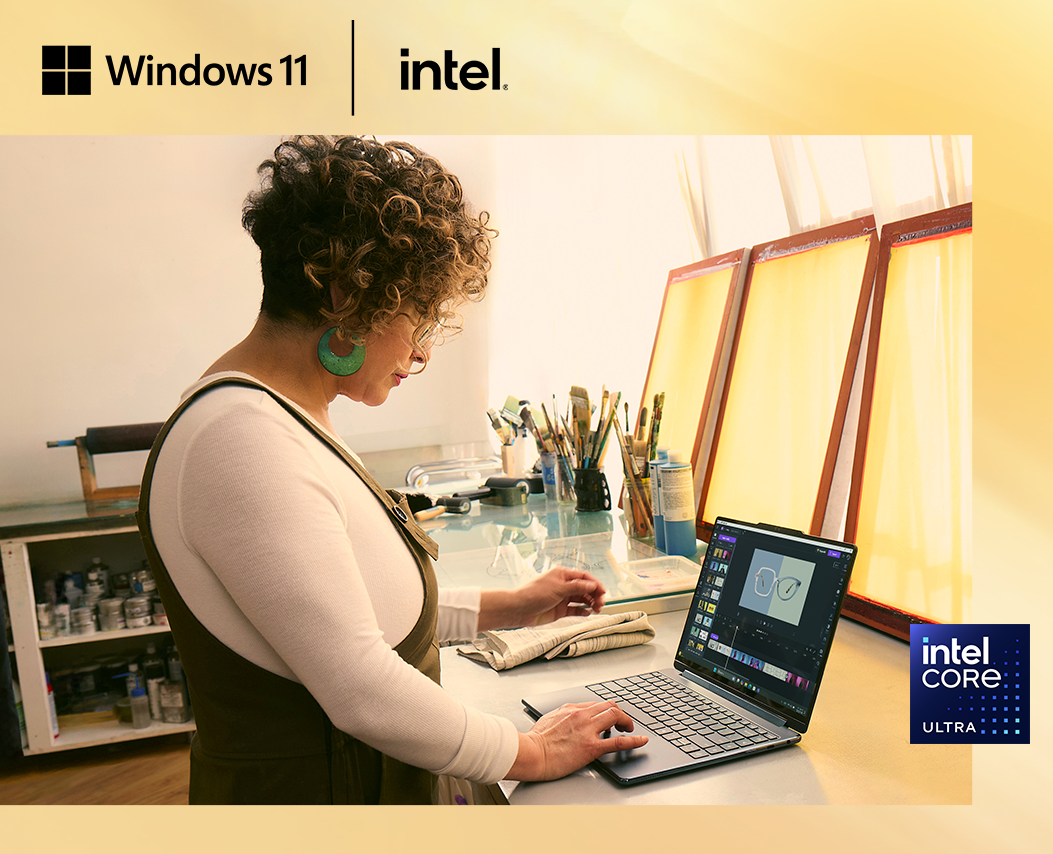
Intel
Image editing and visual creativity
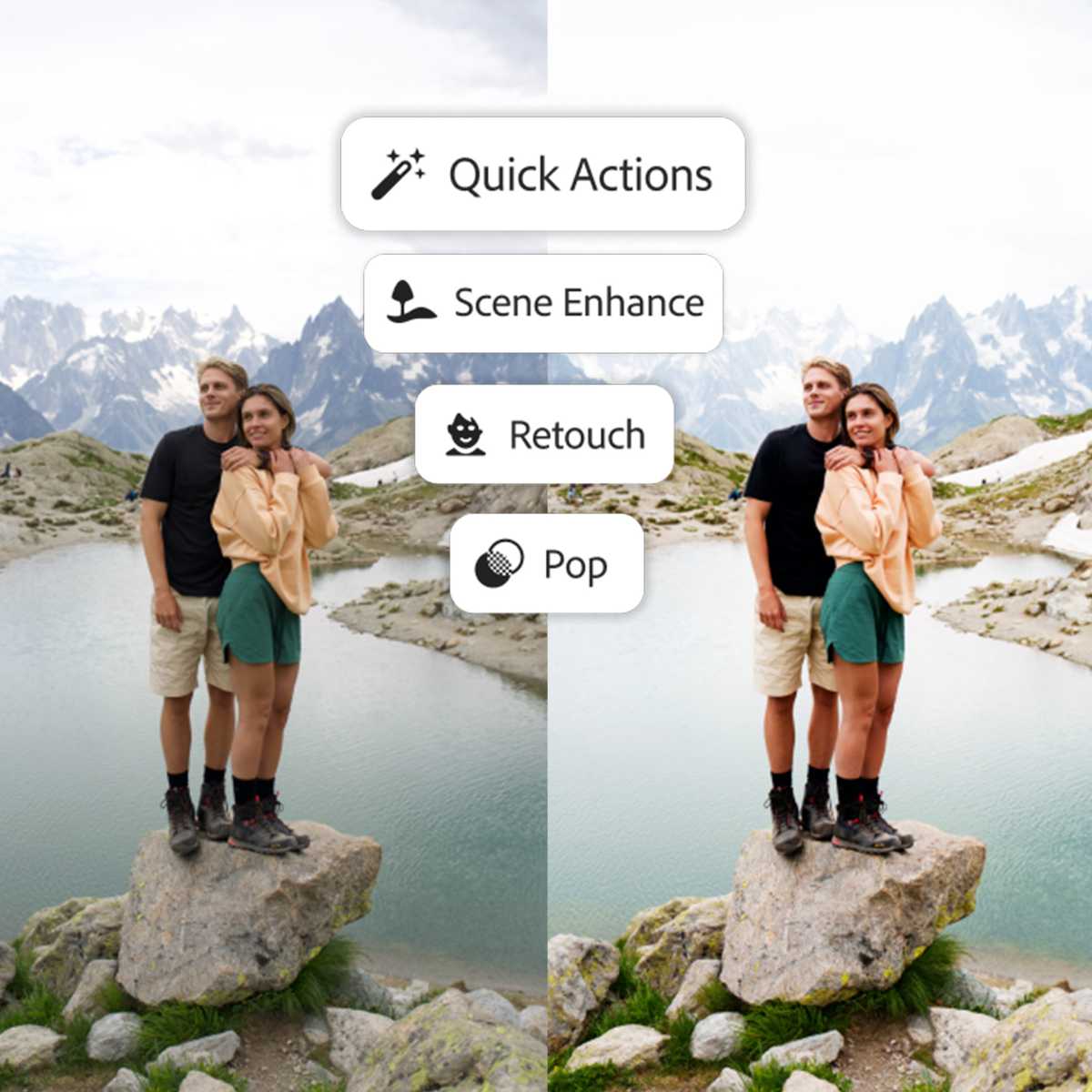
Adobe Photoshop integrates NPU with features such as “generated filling”, intelligent selection, and automatic retouching. Often, it took several seconds to remove objects from high resolution images at the expense of system performance, but this process runs without delay in the background.
If you want to edit a group photo and remove distracting passersby, you can see the results when you move the mouse. A fine selection of hair and clear fabrics can intuitively mask AI support. For amateur users, this means agency level results without GPU load. For businesses, this means scalable editing even on mobile devices used on the move.

Adobe
Lightroom Classic and Lightroom CC uses NPU for AI-supported noise reduction for RAW files. Anyone who wants to take photos while traveling and present results in a location can remove dozens of images, color them, and export them in minutes.
Masking works in real time, for example, to separate the sky and people. Instead of exported filters for series photos, the editing is personalized and accurate without the computer reaching limits.
One capture benefits from NPUs, particularly using the auto-trimming feature (“AI crop”) to give it an appearance of equalization (“Match Look”). A typical example: wedding photographers load 500 images into their library, selecting reference images with a special atmospheric lighting mood, and the software transfers this aesthetic to all other motifs. Instead of reworking, a consistent set is created in minutes.
For Affinity Photo 2, it is clear that even small providers use NPUs to significantly speed up filters. Features such as “live rewrite”, AI clipping, and automatic color adjustment run very smoothly, and are not seen as workflows but as creative tools. Even if multiple images are open, the system remains responsive.
Adobe
Luminar Neo uses features like “SuperSharp AI” and “Upscale AI” to illustrate the possibilities of NPUs particularly clearly. Anyone who wants to improve to print blurry animal photos or high-end old phone photos can do this without cloud or waiting. A set of photos can be optimized at once without blocking other processes in the system.
Visual Effects and Video Editing
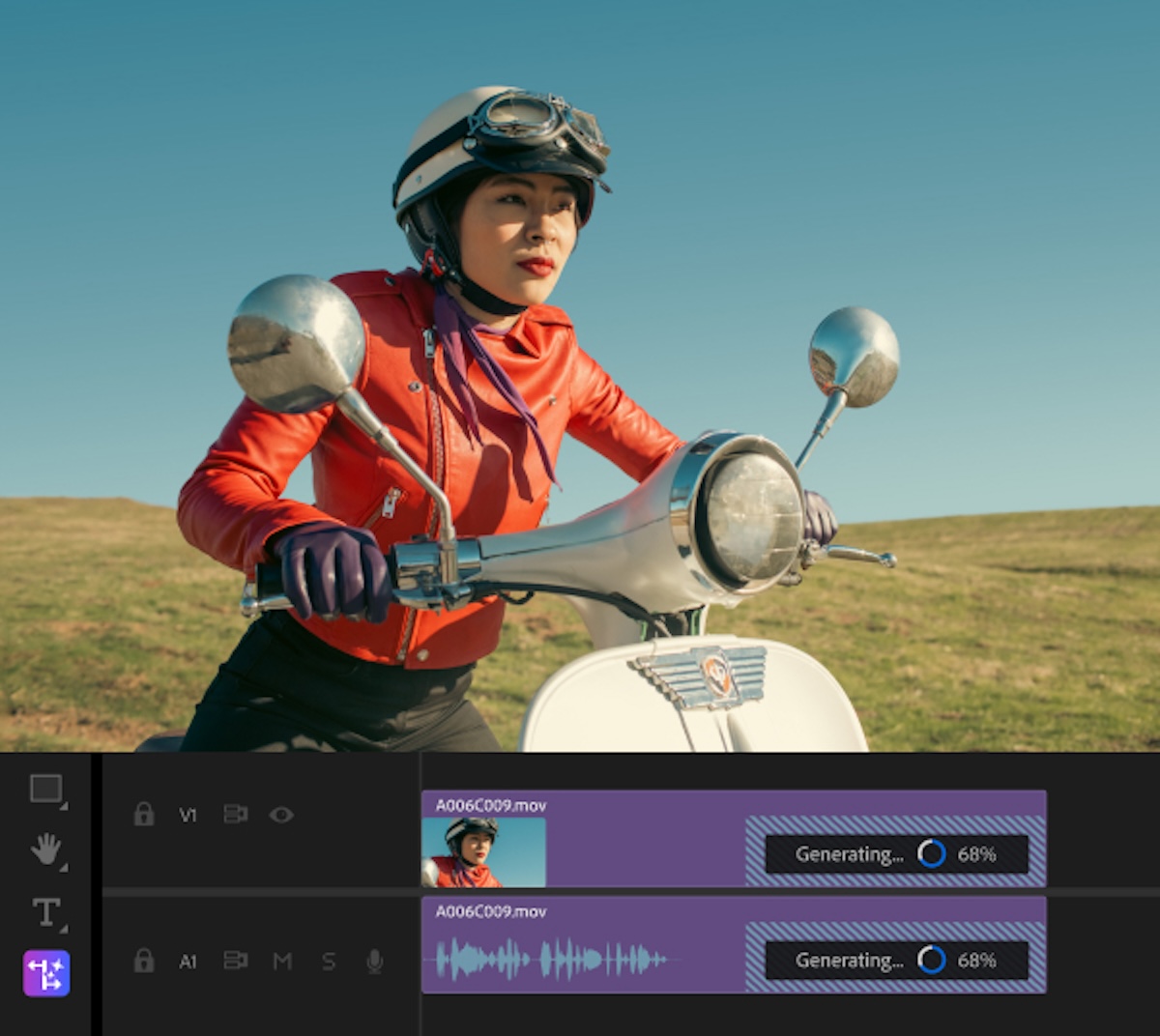
In Adobe Premiere Pro, editing functions such as automatic subtitles, scene recognition, and audio transcription benefit from NPU acceleration. Video producers who create social media content every day can drag recordings into the timeline, and the program analyzes the voice, cuts, and adds subtitles while playing. In combination with the GPU, this leaves plenty of resources for color grading and exporting.
Adobe
Davinci Resolve Studio utilizes NPUs through its neural engine. Face recognition, object tracking, or smart masking no longer requires a separate rendering phase. Color correct your fashion shots and generate several options directly for immediate comparison. The program is responsive even in 4K video materials. This is especially useful for mobile workstations with limited cooling capacity.
Capcut, a widely used editing software in the Creator sector, responds quickly to hardware changes. Delete background Click on the mouse to automatically adjust the rhythm of your music and track your face in your video blog. This is done in real time on NPU-based systems. Anyone who creates several videos per day for Tiktok, YouTube shorts, or Instagram will save time and at the same time reduce the effort required for manual fixes.
Camo Studio users can also benefit. The software converts a simple webcam into studio equipment with background blur, color adjustment, or automatic brightness control. It provides a clear and professional image without external hardware, especially in corporate environments for hybrid meetings and customer discussions.
Music and audio analysis
Djay Pro uses NPU to split tracks into individual audio tracks. To spontaneously remove vocals or separate bass in a live gig, all you need to do is work directly in real time on the running track. Performance remains stable without the need for another server or a strong interface. The workflow works smoothly even in your home studio.
For content creators and podcasts with multiple speakers, local audio separation allows for subsequent editing of the volume, EQ and compressor for each track, without prior manual assignment.
Productivity and Office Applications
Microsoft Copilot uses NPU in office applications such as Word, Excel, and Outlook. In words, a complete text draft can be created at several key points, including style suggestions. In Excel, Copilot analyzes datasets, identifies outliers, and recommends the appropriate chart type. In Outlook, Copilot helps you manage daily flooding of information by automatically summarizing incoming emails. All of this is done locally without sending data to the cloud. This is a clear security advantage, especially for businesses with sensitive content and public institutions.

IDG/Mark Hachman
Windows Recall uses NPU to semantically analyze work processes. If you want to search for Windows in some files, chats, or browsers at a later date, you can use search terms or visual representations to reconstruct your exact work situation later.
Content can also be found in a few weeks. This is a huge step forward for knowledge workers, lawyers, or technical editors. Recall Create a screenshot of the screen for this purpose.
Paint Cocreator creates illustrations based on text or simple sketches. Team leaders who want to visualize new campaign ideas can create previews with two lines of text without having to start Illustrator or Photoshop. The results are created locally in seconds.
LiquidText uses AI to analyze the contents of long documents. The software extracts important statements from special text, research, or reports, creates links, and allows structured notes. This makes the work much easier for students, lawyers or analysts. And thanks to the NPU, it works even with optical devices with no latency.
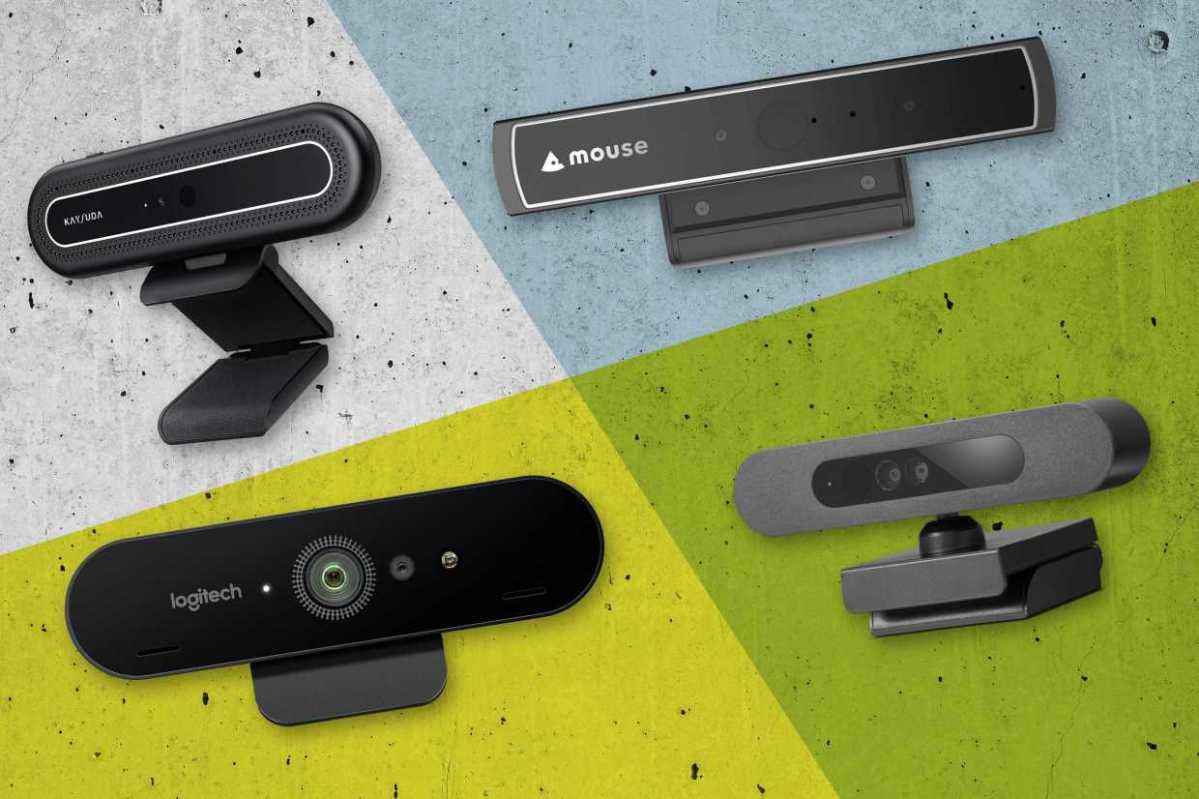
Studio Effects improves your video call presentation. Eye contact correction, background blur, and image center are calculated in real time via the NPU, even when the webcam is weak and there is no GPU load. This greatly improves professionalism, especially at professional meetings and at the Ministry of Home Affairs.
Rob Schultz
McAfee uses NPUs with Deepfake Detector. Audio and video materials are analyzed locally without the need to upload recordings. Operations or synthetic content can be directly recognized. This is a feature related to a financial company, media, or law firm.
Bufferzone analyzes your website, attachments and links in real time. It is recognized as soon as a phishing attempt, spoofing, or suspicious script is opened. The analysis is done locally on the NPU, so it is effective even without a network connection.
Cephable relies on multimodal control. People with motor disorders can control their PC using head movements, voices, or facial expressions. The NPU ensures that these signals are recognized and interpreted without delay, even when the software is running in parallel in the background.
AI Framework and Development Environment
The ONNX runtime allows developers to run their own AI models, especially on NPUs. It doesn't matter whether the model was trained with Pytorch or Tensorflow. Converted to an optimized format using a conversion tool.

idg
With the NPU acceleration library, Intel provides targeted optimization of AI operations with its core ultra processors. Developers who write application for image analysis, classification, or languages can adapt them directly to hardware.
Microsoft's Olive Toolkit supports model transformation, optimization, and compilation. Applications such as “generated with iterate.ai” and “nitro” are based on this infrastructure, indicating that even language models such as GPT can run locally without a permanent online connection.
Games and real-time processing
OBS Studio uses NPU to use background removal and noise suppression during streaming. Even an indie streamer with standard equipment can use gameplay simultaneously at 1080p, without loss of FPS or annoying background noise.
Topaz Video AI reconstructs old recordings, increases resolution and removes artifacts. On modern laptops with NPUs, these processes run for just a few of the previous time. This is a critical advantage for video archives, YouTubers, and content editors.
The first game producer is experimenting with AI running locally for NPC behavior, dynamic dialogue, or procedural animation. Thanks to NPU, these elements can be realized in real time without a server connection, opening up a new dimension of immersive gameplay.
Conclusion
NPUs are more than just a hardware trend. The software is changing its mechanism. Creative, office, development and security applications all use NPUs to reduce response times, enable offline features, and distribute resources more efficiently.
Those using NPU-enabled notebooks benefit not only from individual features but also from fundamental changes in system architecture. The number of supported applications is constantly increasing, as is the possibility of new intelligent workflows.
This article was originally published in the sisters' publication PC-Welt, translated from German and localized.