panelists caterer's Tech Confex, we discussed the role technology plays in our most human interactions with guests.
Hoteliers should only invest in technology that improves the guest experience and forget the fundamentals of human-centered hospitality at their peril. This was the key message from a panel discussion held at. catererTech Confex 2025, hosted by Ruckus Networks, took place in central London on June 25th.
Danica Smith, guest experience consultant and founder of Morningstar GX, says, “The key is to bring it back to humans and focus on the emotional quotient. As much as we focus on AI, we have to bring it back to basics.”
Smith advised hoteliers to think holistically, not just about the guest experience, but also about guest satisfaction. For example, she says, it doesn't make sense to focus on introducing technology and digital touchpoints to the guest journey if the room they stay in is dirty or the staff they encounter is unfriendly.
The hospitality guru sat alongside a cross-industry panel including John McGill, Sky's head of European store design, Muna Khan, a chief technology officer with extensive experience in retail and the fast-moving consumer goods sector, and Shaon Talukdar, chief executive of travel app Geotourist.
“If it’s too complex or feels unreliable, people will shy away.”
They discussed the evolution of digital and its impact on hospitality, including how consumers are becoming more specific in the terms they search for online, how younger generations of guests are seeking more technology-enabled interactions than their parents, and the broader role of technology in the guest experience.
Reflecting on the thought process required when introducing digital elements, McGill said, “If you make something too complex, customers won't engage. Technology has to be the proverbial swan on the lake, and the thinking has to come under the service. If it's too complex, or if it doesn't feel trustworthy, people shy away.”
He added that digital enablement will be successful if the technology used speeds up service, sales and credit checks. Technology should help staff do their jobs better, he added.
hidden helper
Khan advised the hospitality industry to use technology to give businesses the insights they need to create engaging and efficient experiences, and to allow people to make self-booking, pre-order meals and order amenities. She explained that by considering technology from this perspective, organizations have the greatest opportunity to create engaging guest experiences.
“Don't be afraid of the data you have and make the most of it,” Khan asserted, adding that advances in AI create many opportunities to improve insight gathering.
Talukdar suggested that leveraging technology for “all the things that guests don't see” will allow hospitality industry staff to “focus on how to wow guests.”
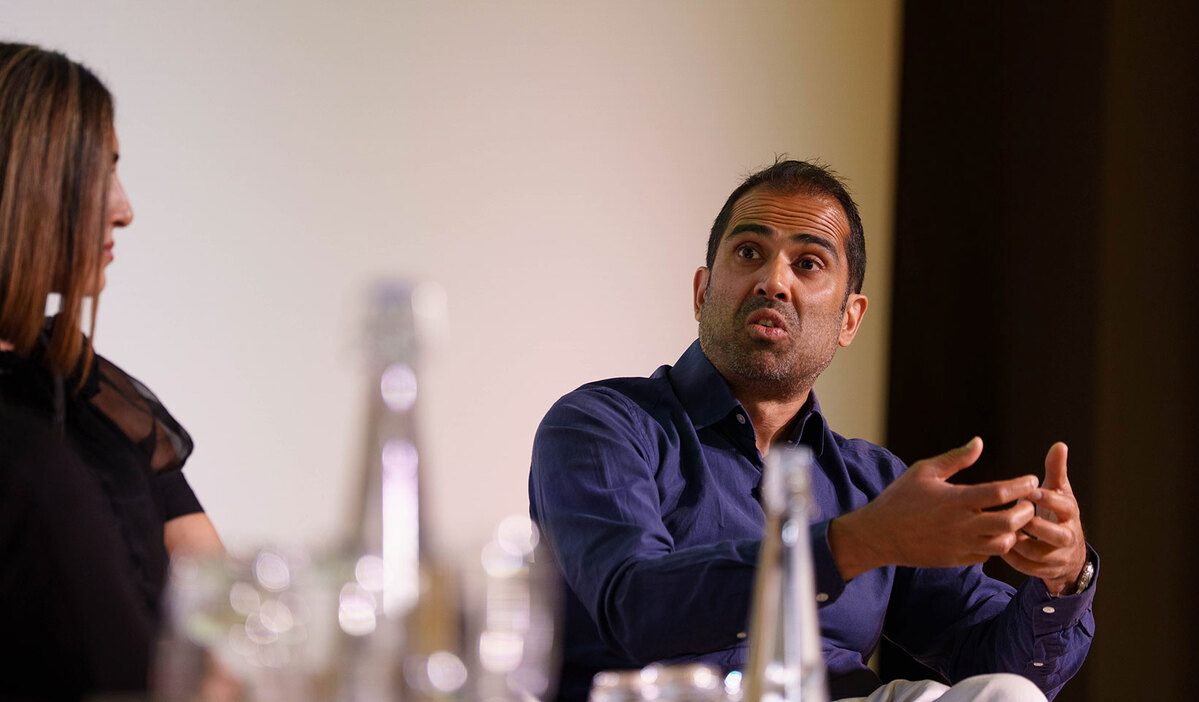
Personalization of the guest experience was a central theme of the panel discussion, with Talukder saying that organizations need to continue leveraging data to “meet customers where they are.” However, he acknowledged that some distance is needed to get this right, both from a privacy and experience perspective.
Indeed, looking back at the legacy technology stack across the hospitality industry, Smith said the sector is “miles away” from being able to seamlessly deliver personalization. With that in mind, she called for the fundamentals to become even more important and to improve staff training and recruitment based on guest experience and the ability to respond flexibly to ever-changing guest demands.
She said, “What do hoteliers and the hospitality industry do best? People. We need to focus on people.”
Sign up for next year's Tech Confex
To learn more about next year's event, sign up for The Caterer's Tech Confex 2026.