

LinkedIn is making major changes to its User Agreement and Privacy Policy, which will take effect on November 3, 2025. Among the most notable updates, the company uses member data by default to improve its generated AI model unless the user opts out manually.
This update reflects LinkedIn's increasing reliance on AI-driven features across its platform. The company says data can help improve content generation tools and user experiences, but privacy-conscious members may want to see their settings.
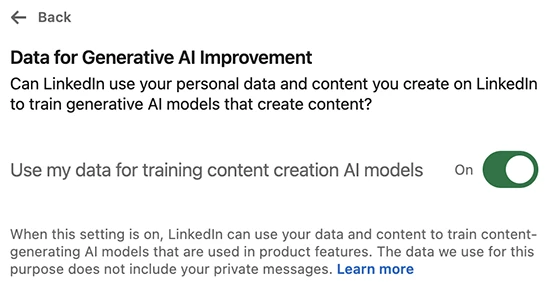
Opt out: I'm going setting > Data Privacy Turn off the ability to enable LinkedIn to use data to improve AI models.
Important changes to LinkedIn policy
The update covers several areas, including data sharing with Microsoft and how the platform handles new technologies such as deepfakes. Here's what you need to know:
Share data with affiliate marketing
LinkedIn has made it clear how you use and share your affiliates and data. This is a term that covers linked Ireland, LinkedIn Corp., parent company Microsoft, and its subsidiaries.
In some regions, LinkedIn expands the type of data that is shared with Microsoft for its advertising services. New opt-out options are available to users in these regions.
- US Members: Updated details for targeted ads are available in the US State Regional Privacy Notice.
- Members of the EU, EEA, Switzerland and the UK: Privacy Notices for the European Region explains LinkedIn's legal basis for processing data to train AI models.
User agreement terms have been updated
LinkedIn rewrites user agreements to make them clearer and more concise. Some notable additions include:
- Clarification that deepfakes and illegal spoofing are violating platform rules.
- Details when LinkedIn uses secondary payment methods provided by members.
- Description if the company does not provide advance notice of changes to terms. For example, if the law changes or new products are released.
- New information on how members can appeal to decisions or access to services that affect their accounts.


