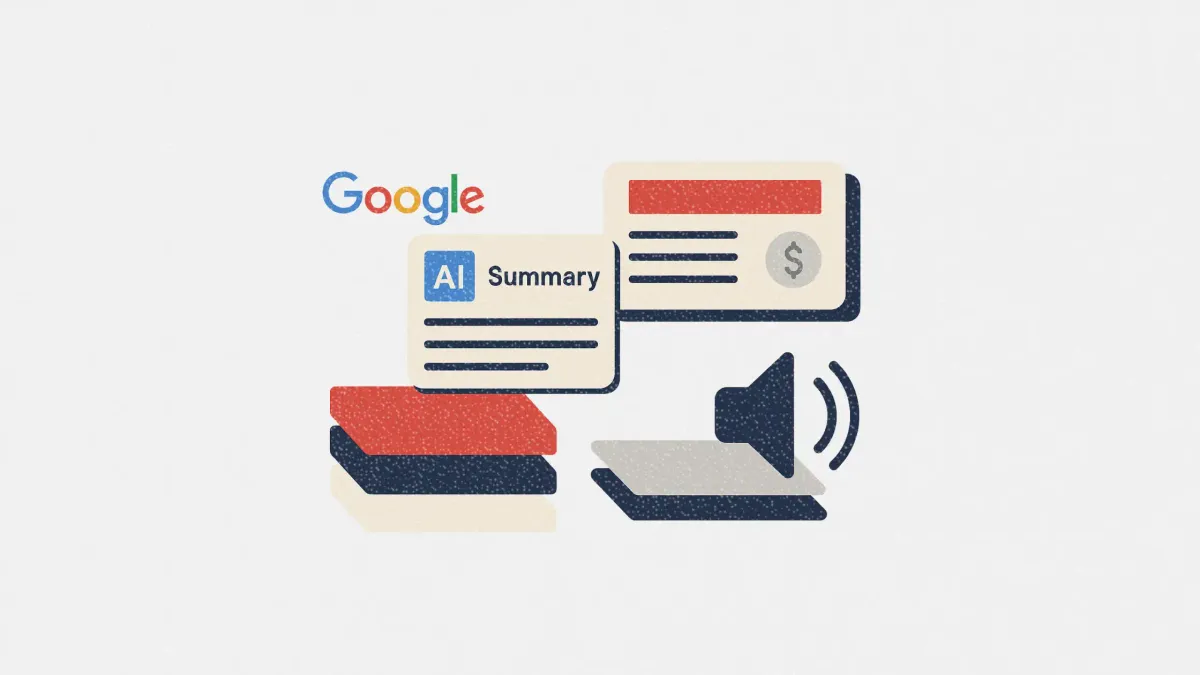
Google is once again weaving AI deeper into the news experience. This time, Test AI-powered article summaries On some publishers' Google News pages. The company says the new pilot is part of a broader effort to “further drive audience engagement” through experimental features that provide users with more context before they click through.

Unlike previous AI experiments with Discover and Search, this effort is part of a commercial partnership. This means participating media outlets such as The Guardian, El Pais, Times of India and The Washington Post are being paid by Google to test these new formats. For digital publishers grappling with SEO volatility and shrinking referral traffic, the deal could signal new monetization models in the AI era.
In this article, we explore Google's latest AI news pilot, the strategic signals behind it, and what it means for media brands and content marketers.
Don't have enough time?
Here is a table of contents for quick access:
The future of marketing: AI transformation by 2026
Discover the future of AI marketing in 2026 through predictions about automation, personalization, decision-making, emerging technologies, and ethical challenges.
What Google is testing with AI-powered article summaries
Google's new pilot will allow participating publications to display AI-generated summaries on dedicated Google News pages. These summaries appear above or next to traditional headlines and blurbs and are intended to give users more context before they click.
This feature isn't rolling out to all Google News or Search. Available only within specific publisher profiles involved in the program. This allows Google to experiment without having to rebuild the broader news discovery experience.
In addition to the AI overview, the pilot includes an audio briefing for users who prefer to listen to updates rather than read them. The company promises clear attribution and direct links to articles for all content generated.
In particular, pilot publishers will be paid directly. Google has acknowledged that AI-generated summaries may reduce click-through traffic, and the compensation is part of an experiment to compensate.
Google Trial AI Overview and AI Mode Integration
Google combines AI Overview and AI Mode in Search. Marketers need to watch this change closely
Why this pilot marks a strategic shift
This isn't Google's first foray into AI-assisted news curation. In July, we introduced AI summaries within Discover, and users are already seeing AI-generated summaries grouped under multiple media logos. But with this latest pilot, we're going further by integrating an AI overview and overlaying audio content on publisher-specific pages.
This is also the time when Google is rolling out its “Preferred Source” feature globally. This allows users to select their favorite sites to appear more prominently in the Top Stories section of search. This, along with a new carousel for subscription sources in the Gemini app, signals a broader shift towards personalization and AI-curated news journeys.
According to Google, nearly 90,000 unique sources have already been selected by users through Preferred Sources. These sites reportedly have twice the click-through rate. The signal here is clear. AI isn’t just optimizing how users find content, it’s redefining what users engage with in the first place.
Whether you're a publisher, content marketer, or media strategist for brands, these updates are worth your attention. The important things are:
1. AI summarization could change the way viewers find and trust news
AI-generated summaries are designed to provide context, but they also allow users to filter and frame information before they see the headlines. For marketers and publishers, this means rethinking lead structure to align with SEO, how headlines are written, and even how AI analyzes content.
2. Direct payments from Google could create new monetization models
Traffic from search and news has long been important, but this pilot will pay publishers directly for participation. If successful, it could signal a shift to licensing or partner revenue models, especially as the use of AI increases across Google's products.
3. Audio briefings bring a new content format to your brand
Audio is now part of the equation. For marketers, this could be a cue to consider audio summaries, podcast-style summaries, or audio-driven content to complement written assets. Think beyond blog posts.
4. “Preferred source” and personalization increase platform dependence
The Preferred Source feature helps your loyal readers see your brand more often, but it also strengthens your filter bubble. Marketers may need to balance targeted exposure with strategies to reach new audiences not categorized by algorithms.
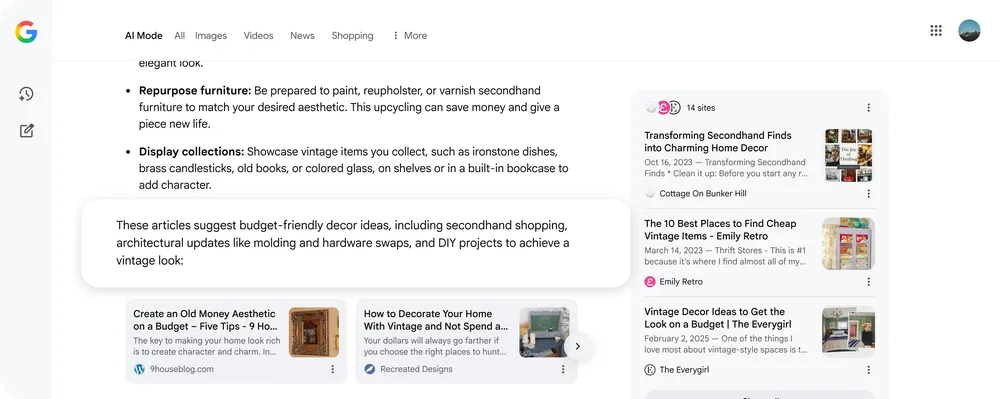
5. Gemini's AI mode adds context and shows more links
Google plans to add a “contextual introduction” to links displayed in AI mode that explain why the link is relevant. While this drives thoughtful content discovery, it also puts pressure on marketers to create smarter, more clearly attributable materials.
Google's Latest News Pilot is more than just a UX update. This is a glimpse into how AI is reshaping traffic flows, monetization models, and content formats across the web. For both marketers and publishers, this means keeping an eye on both visibility and value in an increasingly algorithmically mediated ecosystem.
As Google experiments with paid partnerships, AI summarization, and audio content, media teams need to look for ways to future-proof their content strategies. This means testing new formats, optimizing the readability of your AI, and preparing for a situation where clicks may no longer be your only currency.
Book a discovery call (for brands and publishers) – ContentGrow
Thank you for scheduling a call with ContentGrow. We provide scalable, customized content creation services for B2B brands and publishers around the world. Let's talk a little about your content needs and see if ContentGrow is the right solution for you. Important: You must provide your information to confirm the meeting.