
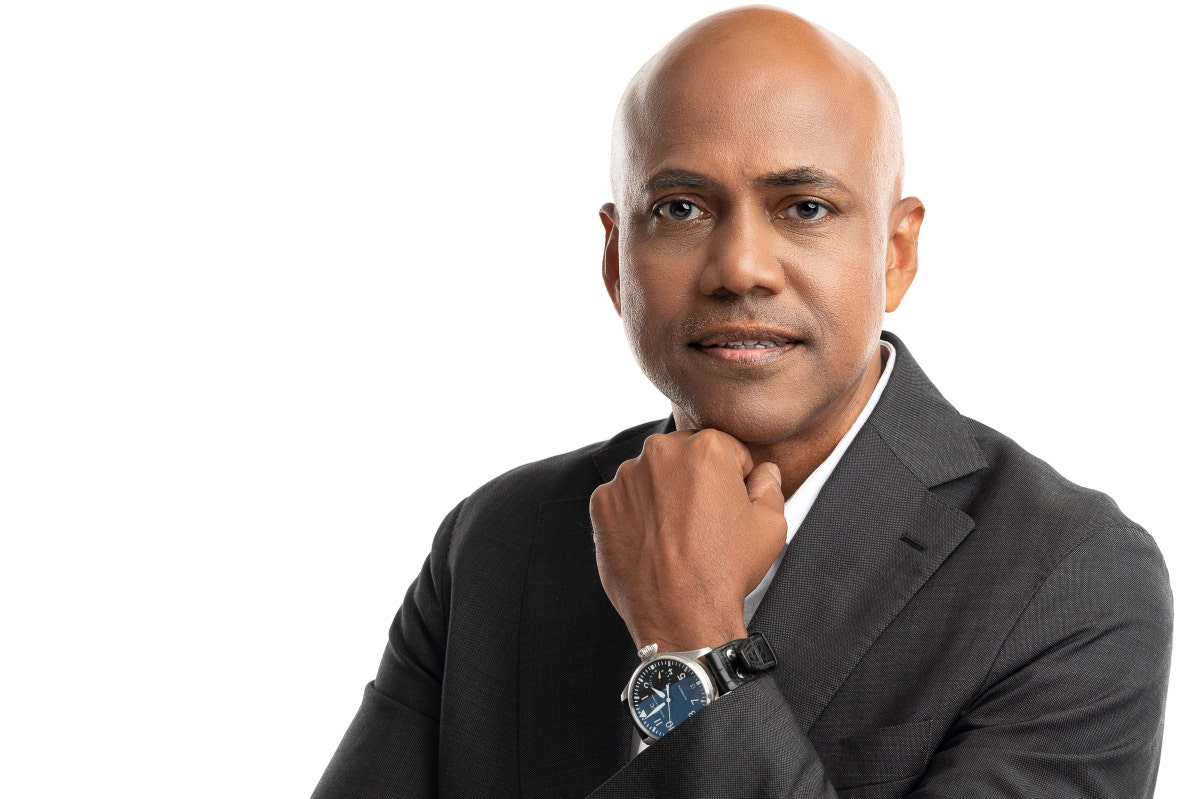
“In 2026, openness, flexibility, and collaboration will continue to be the principles that help organizations move from potential outcomes to real, measurable outcomes. No single model is right for every enterprise situation, and open source will continue to support the freedom and innovation needed to build what's next,” said Guna Chellappan, General Manager, Singapore, Red Hat.

According to a recent IDC study, 70% of APAC organizations expect agent AI to disrupt their business models within the next 18 months. But do companies really understand what AI models can actually offer to their operations?
According to Guna Chellappan, General Manager, Red Hat Singapore, 2026 will be the year that AI becomes practical, with fit-for-purpose models at the center. He feels that companies have already seen the excitement around GenAI over the past two years and are now realizing that the future of AI lies in specialized, right-sized, explainable systems designed for specific industries and workflows, rather than models that try to do everything.
“Business leaders will need to rethink their infrastructure strategies to support more diverse and demanding AI workloads. There will be increased interest in integrated inference layers that can support a wide range of AI models without compromising performance and cost efficiency. At the same time, enterprise application platforms will There is strong momentum around connecting with cloud-based AI accelerators, which provide a more seamless way for organizations to operationalize AI at scale. By combining a flexible platform with specialized computing, companies can accelerate their transition from pilots to creating measurable business impact,” Chelapan said.
For Chellappan, AI is reshaping the way companies think about their infrastructure. This means that traditional virtualization approaches built for predictable, uniform workloads are being augmented by modern AI needs. Modern AI infrastructure demands higher performance, lower latency, and much more flexibility.
“In 2026, enterprises will increasingly adopt virtualization strategies that unify virtual machines, containers, and specialized compute under a single operating model. This will enable platform teams to support both existing applications and new AI-driven workloads. The result is an infrastructure foundation that is flexible enough to run traditional applications and intelligent systems in parallel without sacrificing governance or control.
Hybrid cloud with emphasis on governance becomes the default architecture for modern AI
Considering the need for modern AI infrastructure, where AI models increasingly rely on real-time data, distributed systems, and specialized computing resources, Chellappan believes that enterprises need an architecture that can run workloads as closely as possible to the data while maintaining scalability and resilience.
“The demands of AI require hybrid cloud, and by 2026, hybrid cloud will solidify its position as the standard operating model for intelligent enterprise systems. Organizations will prioritize platforms that help them maintain control of sensitive workloads on-premises, scale with public cloud capabilities, and bring intelligence closer to where data is generated at the edge,” he added.
Emphasizing hybrid infrastructure is a governance framework that reshapes digital strategies. In APAC, governance is expected to be one of the most decisive factors shaping digital strategy.
Chellappan noted that stronger governance frameworks will influence how AI is deployed across the region. Organizations are demanding systems with better security, transparency, and alignment with local regulations, and they expect technology platforms to support these requirements across hybrid and multicloud environments.
“In 2026, enterprises will increasingly prioritize AI systems that can audit, monitor, and manage across hybrid environments, ensuring that decisions are traceable and that models behave as expected. This change in governance will impact architecture choices, vendor choices, and skills priorities. “In regulated industries like financial services, these capabilities will become non-negotiable.”
Skills, community and collaboration are the real drivers
As demand for cloud-native, AI and cybersecurity talent continues to outstrip supply across Asia-Pacific, the gap will widen further in 2026 unless organizations invest in a skills-first approach to building, operating and optimizing modern digital systems, Chellappan noted.
“Open source communities will play a central role in this change. They provide a global ecosystem rooted in shared knowledge, transparency, and collaboration. Tools and frameworks will also be available to everyone, not just the few. As more companies contribute to these communities by building ideas quickly and responsibly, APAC will strengthen its position in digital innovation, not just as a consumer but as a creator,” he added.
For Chellappan, the right model, the right environment, and the right architecture will define the next era of enterprise AI. Chellapan believes that the success of agent AI depends not only on strong models, but also on the infrastructure, governance, and skills that support them.
“In 2026, openness, flexibility, and collaboration will continue to be the principles that help organizations move from potential outcomes to real, measurable outcomes. There is no single model that fits every enterprise situation, so open source will continue to support the freedom and innovation needed to build what's next,” he concluded.


