

With long working hours, more indicators, increasingly ill patients, and lower economic incentives than other specialties, primary care has never been so difficult to implement. Nonetheless, independent primary care physicians continue to be an integral part of the healthcare system. Remaining independent allows us to do even better at what we do best: being agile and innovative while remaining focused on patient and staff satisfaction.
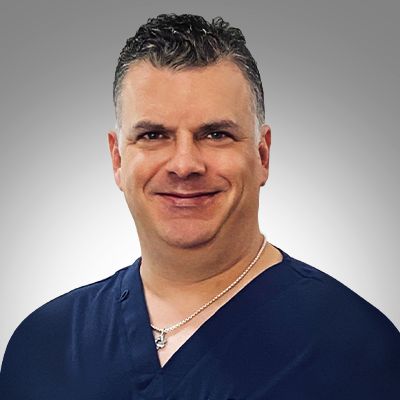
Dr. Oren Weinberg, MBA: ©Veradigm
agility
The healthcare environment is constantly changing, and independent practice allows healthcare providers to adapt quickly. As COVID-19 limits in-person visits, independent clinics may transition to telemedicine without the need for multiple committee approvals or complex workflows. If payers and Medicare incentive programs change, you can quickly change your approach to focus on new metrics. While we may not have as much direct input from Medicare for these changes as large corporate practices do, our advantage is that we can adapt and adapt quickly. Start early to meet annual patient goals. We continue to be early adopters of trial platforms to improve healthcare. For example, in Pennsylvania, I participated in early efforts to transform primary care using the patient-centered medical home (PCMH) model. I have seen independent operations be the first in the state to achieve his NCQA PCMH certification and generate additional income from participating payers with these operations.
innovation
Independent primary care physicians innovate and adapt to patient needs, technological advances, and the ever-changing demands of the broader healthcare environment. Much of the early meaningful use certification work in my geographic practice area was independent. In my own independent primary care practice, making standards of meaningful use part of regular daily activities required multiple iterations of new workflows with trial and error and adjustments. For example, it took him just three months to try and experiment with three different approaches to find the most effective way for patients to receive post-examination summaries. In corporate practice, the process of implementing change is rather difficult.
A study published in the American Journal of Managed Care showed that small clinics cost patients significantly less than larger clinics. AJMA found that over 80% of single primary care clinics are privately owned, and over 35% of clinics consisting of 2-5 doctors are privately owned. Therefore, privately-owned primary care physicians may be the majority of the outperformers in reducing preventable patient costs. At Primary Care ACO, an independent practice that I co-founded, practice innovations centered on open scheduling, pre-session huddle, assisted care management, and coordinated visit frequency for high-risk patients. Many of these activities seem routine today but were new and innovative at the time.
satisfaction
When meaningful use was introduced and accountable care organizations were first considered, the concept of triple aim was gaining momentum. Most people believe that the components of Triple Aim are patient care, costs, and outcomes. Most professionals are now moving to his quadruple goal, which also includes physician satisfaction. Ensuring physician and staff satisfaction is key to the success of private primary care clinics. Physicians feel valued when their opinions and contributions are recognized. In an era of increasing burnout in the healthcare industry, prioritizing physician satisfaction is critical. Working in an independent clinic provides a team-like atmosphere and allows everyone to contribute their input on leadership decisions. Having worked as both an independent and an employed physician, I have found it much more difficult to have this sense of belonging and control over the direction of an employer organization compared to a practitioner.
Healthcare providers of all kinds face new and growing pressures today, and many would say that primary care physicians are experiencing a greater burden than others. Independent practice provides primary care physicians with an essential advantage to survive and thrive in today’s healthcare environment.
Oren Weinberg, MD, MBA, is Chief Medical Officer at Veradigm, an integrated data systems and services company. Verradigm combines data-driven clinical insights with actionable tools to help healthcare professionals improve the quality, efficiency and value of healthcare delivery. He co-founded the Independent Physicians Association focused on supporting private practice to achieve his four goals: better outcomes, better care, lower costs and higher staff satisfaction. He holds a BA in Chemistry from Haverford College, an Honorary Doctorate from the University of Rochester School of Medicine, and his MBA with Dean’s Certificate of Excellence from Temple University’s Fox School of Business.

