
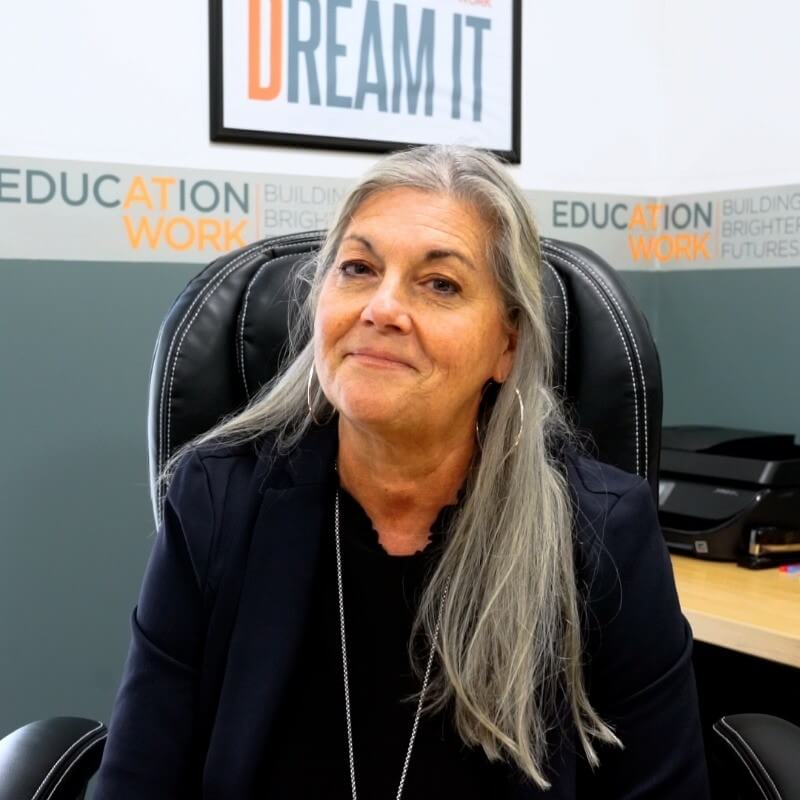
Written by Jane Swift, President of Workplace Education
What we consistently hear from students and recent graduates is that they welcome the introduction of technology in the recruitment process. But what’s demotivating is when your application feels like it’s disappeared into a black hole. But I also advised students that what’s frustrating from an employer’s perspective is receiving nearly identical cover letters from multiple different applicants, meaning they’re generated by AI and aren’t proofread. Therefore, the need for judicious use of AI in the recruitment process goes both ways.
Candidates expect to encounter AI during the hiring process. So when employers use AI to enhance the hiring process, communicate faster, set clearer expectations, and keep candidates informed, most applicants will see it as a positive experience.
The best use of AI in recruitment is not to replace human interaction, but to remove friction. Trust in employers is strengthened when technology helps candidates find answers, understand next steps, and stay engaged throughout the process. And even if you don’t plan on hiring these students, you need to think deeply about the experience you’re giving them if you want them to become future customers.
Today’s young job seekers have thrived on technology and have unfettered access to digital content and information. They are not intimidated by AI. What they want is responsiveness. Candidates often want to receive updates right away, even if it’s bad news, rather than waiting weeks to find out if someone has reviewed their application.
From our work with thousands of college students across the country, we know that candidate experience is increasingly becoming an issue of employer brand. The students talk to each other. They share their experiences online. A transparent and respectful hiring process is a competitive advantage.
AI should make employment more personal, not less so. Companies that do it right are leveraging technology not just to process more applications, but to generate more communication and create a better experience for candidates.
— Jane Swift, president of Education at Work and former Massachusetts governor, offers a perspective often missing in conversations about technology adoption: that of parents, workforce leaders, and those who work directly with college students as they navigate the transition from campus to career. As Chair of Education at Work, Jane leads a nonprofit organization that partners with major employers to provide paid, career-related work experience to degree-earning college students. The organization works with thousands of students each year, giving Jane a first-hand look at how young job seekers experience today’s recruitment process.


