
appCURE has launched Automagical, an artificial intelligence-based tool for Windows application packaging aimed at organizations updating legacy applications for use in cloud and virtual desktops.
This software automates one of the most labor-intensive parts of IT modernization: repackaging older Windows applications for deployment in new environments. This process was typically handled manually and caused delays for companies with hundreds or thousands of applications.
Automagical converts legacy installers into MSIX packages, the format supported by Microsoft for Windows application delivery. The platform also identifies compatibility issues during conversion and applies repairs if necessary.
This announcement comes as many organizations continue to migrate workloads to cloud and virtual desktop infrastructures, where older application formats can pose deployment and management issues. Repackaging software for these environments often required specialized administrators to process application assets one by one.
Process changes
appCURE says its software uses AI-based analytics and distributed processing to perform packaging tasks in parallel instead of sequentially. This allows you to process large batches of applications through repeatable workflows rather than manual, case-by-case processes.
According to appCURE, it can process batches of about 400 applications in about 60 minutes. In contrast, manually packaging a single application often takes one to five days, and large assets can take months to complete.
The platform is designed to support deployment across cloud, virtual, and physical environments without having to repackage the same application for each platform. It can also operate in both online and offline settings, which can be important for organizations with strict operational and security constraints.
Despite increasing automation in infrastructure management, device provisioning, and software delivery, application packaging remains a persistent bottleneck for many IT teams. This problem is particularly acute in virtual desktop projects, where application readiness determines how quickly users can migrate from older systems.
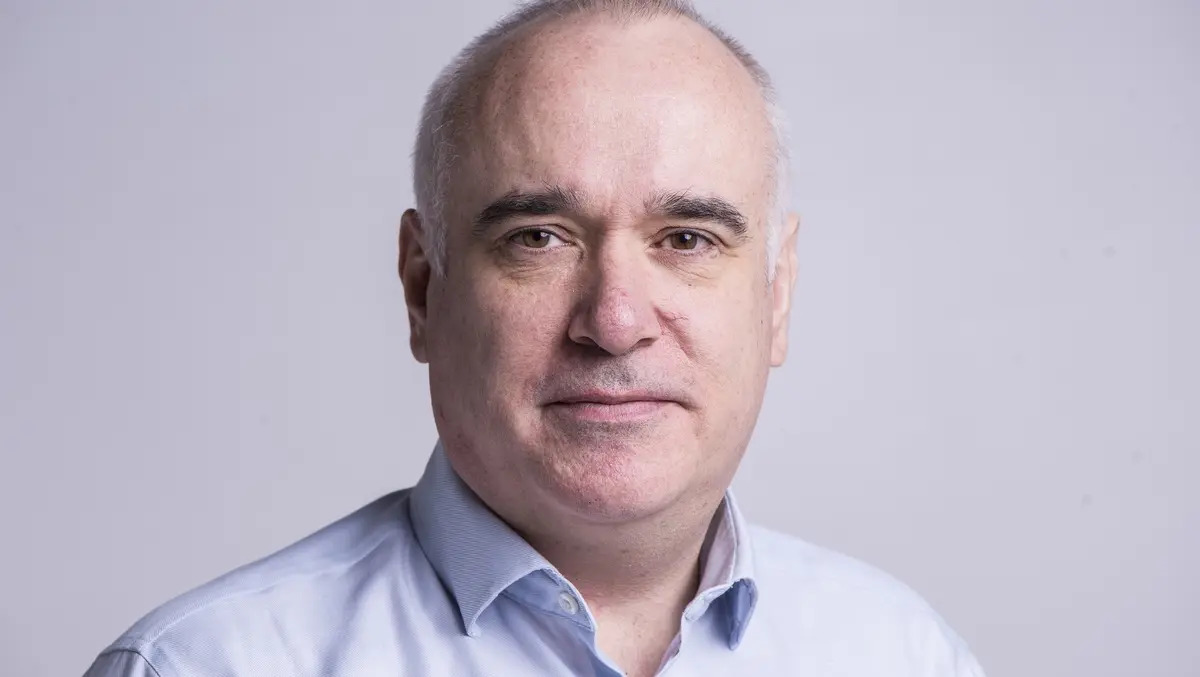
Steve Horne, CEO of appCURE, provided the company’s perspective on this issue. “Packaging applications has traditionally been time-consuming and resource-intensive, especially in large-scale environments. What we are now seeing is much of this work being automated at scale, significantly reducing both the time and cost involved, and enabling organizations to move faster and leverage expertise where it is needed most,” Horn said.
Microsoft context
Microsoft also commented on the role of MSIX in modern Windows deployments. This format is positioned as a cleaner, more standardized way to install and remove applications, especially in managed and virtual desktop environments.
“MSIX is the foundation of modern Windows app packaging and is protected by default with clean installs and uninstalls,” said Eric Orman, principal PM manager at Microsoft. “By making it easy to convert existing application packages to App Attach, we are helping our customers standardize on MSIX and simplify application delivery in virtualized environments.”
appCURE says the system includes a self-learning AI engine that improves as it processes more applications. It claims this should lead to greater automation over time, but provides no technical details on how often manual intervention will still be required in more complex applications.
The company also says that organizations can reduce both packaging time and costs by using the new tools. In materials accompanying the announcement, appCURE discussed automation as a way to reduce administrative effort and free up specialized staff for tasks that still require manual intervention.
Of broader significance to IT departments is that application modernization often lags behind broader infrastructure changes. While businesses may adopt cloud services and virtual desktops relatively quickly, inherited software assets can delay plans if applications were built for older Windows environments and must be tested, converted, or repaired before use.
This has helped create a market for tools that can standardize application conversion and reduce dependence on specialized packaging teams. In large organizations, these teams can face a backlog of hundreds of applications, especially after a merger, divestiture, or major technology project in the workplace.
Horn said the scale of the change calls into question old labor practices. “While manual packaging has shaped the way the industry operates for many years, it is no longer suitable for large-scale purposes. If most applications can now be handled automatically, it begs the fundamental question of why the work is still done by hand,” he said.


