
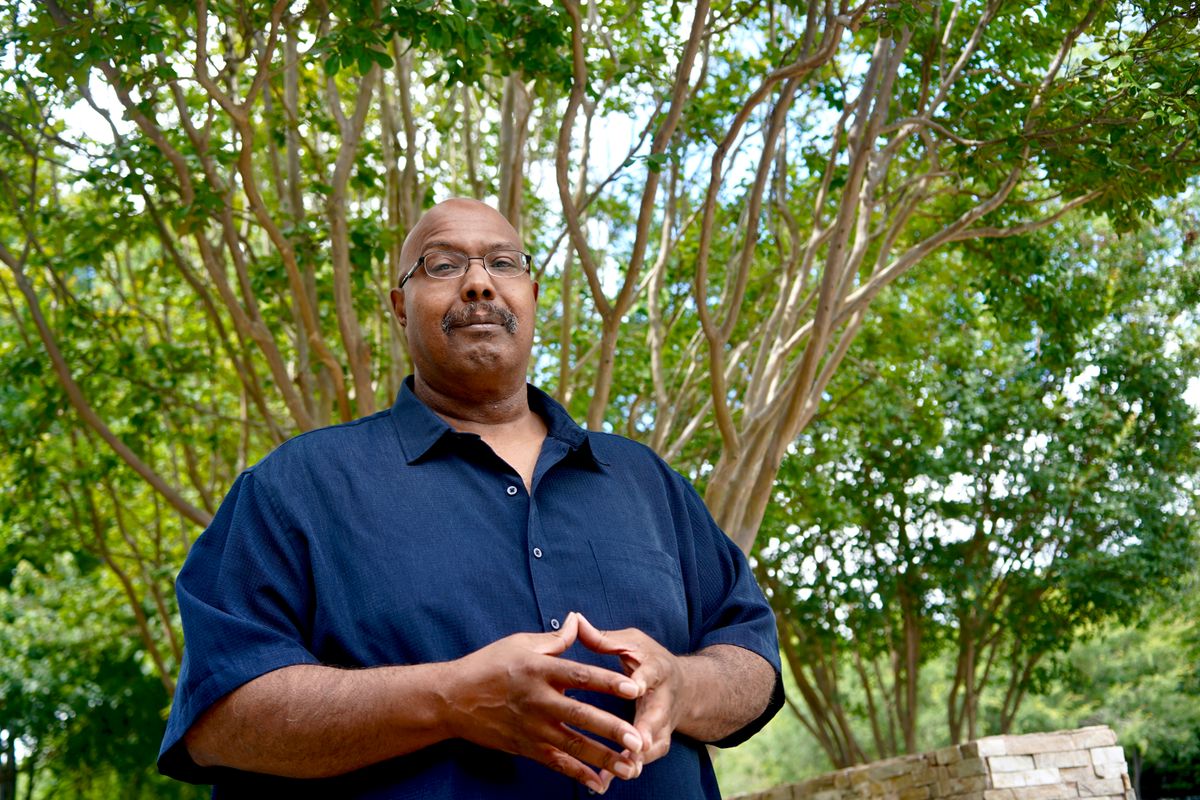
Dr. Timka Tuncel, an associate professor of communications at the University of Washington, said that black-centered AI tools are in principle a “welcome idea” because they seek to correct long-standing biases in artificial intelligence systems.
“These models are specifically designed to avoid perpetuating the biases seen in other AIs,” Tounsel says. “And we really need Black people to be involved in the development of these tools, because it helps ensure that Black experiences and Black truths are part of how these systems understand the world.”
At the same time, she warns that AI systems are only as powerful as the data behind them, and that representation alone is not enough.
“Whoever is designing these algorithms is learning from data,” she says. “We want to know what datasets are being used.”
Other scholars have raised some structural concerns about whether AI can truly reflect the Black experience.
Tierra Tanksley, Ph.D., a critical technology research fellow at UCLA and a Spencer Foundation AI education fellow, argued that Black people themselves resist the logic of artificial intelligence systems.
“Black people are not a monolith,” she says. “AI is designed to find average output. But Blackness is not average. It is creative, futuristic, and generative in ways that data cannot fully capture.”
She added that AI systems are built on historical structures that cannot be separated from their outcomes.
“Current AI is rooted in eugenics, colonialism, anti-Blackness, and racial slavery,” Tanksley says. “These systems rely on racist death, environmental destruction, and data extraction.”
Tanksley also warns that AI tools designed for emotional support and relationships can come with risks such as over-dependence and distorted feedback loops.
“These systems are designed to be comfortable,” she says. “But conformity is not the same as compassion, and it is not the same as truth.”


