
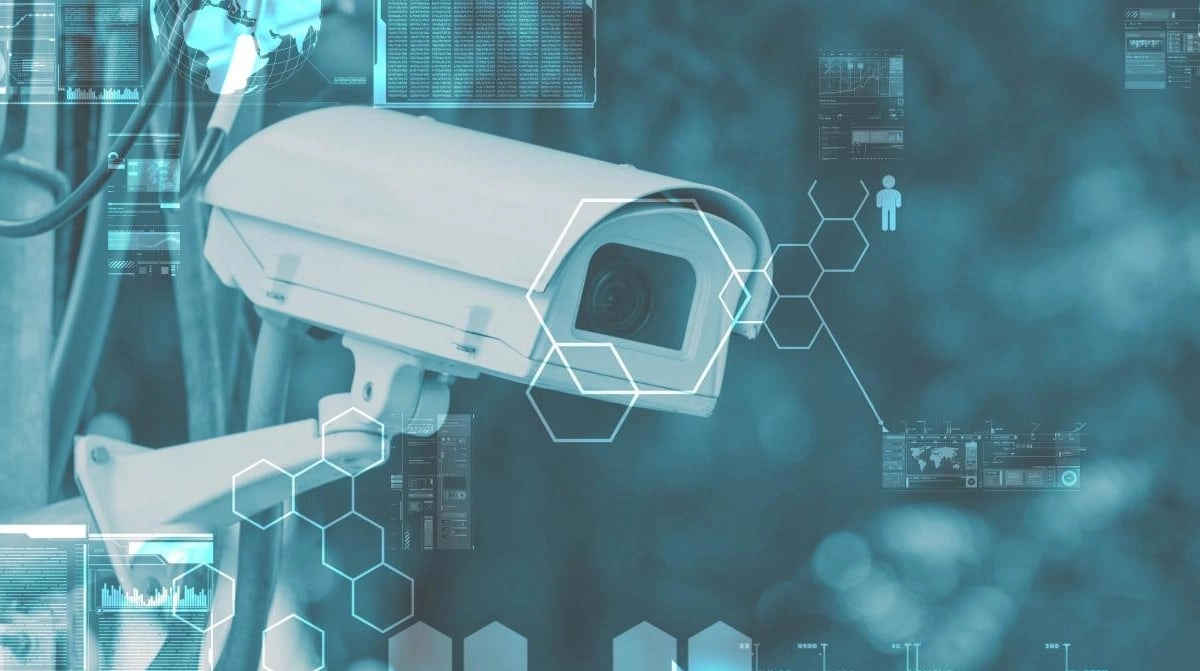

Штучний інтелект в камерах
Advances in artificial intelligence for video data analysis are raising concerns among Russian security officials about the surveillance systems protecting Russian leader Vladimir Putin and his inner circle.
The Financial Times reported, citing sources, that Russian security services have temporarily suspended some of the specialized video surveillance systems, apart from some 300,000 cameras used to monitor Moscow residents. The system was then turned back on after a thorough check and an attempt was made to isolate it from the internet.
The measures were prompted by reports that Israeli intelligence had extracted large amounts of video footage from Iranian surveillance cameras to analyze the movements of Iran’s top leadership and identify meeting locations. This reportedly makes it possible to map the timing and location of events involving senior officials.
The incident marks a new stage in the development of intelligence technology, where artificial intelligence can process millions of hours of video from thousands of cameras and identify specific objects, people, or events based on complex queries.
Intelligence officials told the FT that modern systems have already gone beyond traditional facial and number plate recognition, making it possible to analyze behavioral patterns such as people’s movements, changes in appearance and repeated vehicle routes.
Such capabilities have raised concerns in various countries as they effectively turn urban camera networks into tools for large-scale analysis and surveillance. Once a person is identified, the system can automatically generate a detailed profile of that person’s movements and interactions.
Experts point out that advances in AI have made it possible to search video footage using text queries. This allows analysts to identify events that occur frequently in a particular location, such as the movement of objects between people and vehicles.
Meanwhile, such technology is being actively developed by states themselves, with China in particular investing in smart surveillance systems that can interpret scenes and human behavior.
Some countries have already taken safety measures. For example, governments are considering the use of foreign-made video surveillance equipment due to concerns about potential backdoors and cyberattacks.
Nevertheless, experts stress that these systems are not perfect. Adversaries can use simple methods to disguise themselves or evade surveillance, potentially defeating even the most advanced AI analysis.
Analysts believe these technologies are fundamentally changing the nature of modern intelligence, turning ordinary cameras into tools for global, real-time data collection and analysis.
Share:


