Conversations about artificial intelligence typically fall into two camps: those who think AI will save the world, and those who think AI will destroy it. Since I cover AI for a living, I always try to keep an open mind. I learned a lot about the real risks of AI by reading Eliezer Yudkowsky and Nate Soares’ incredibly frightening book about superhuman AI, “If Someone Builds It, We All Die.”
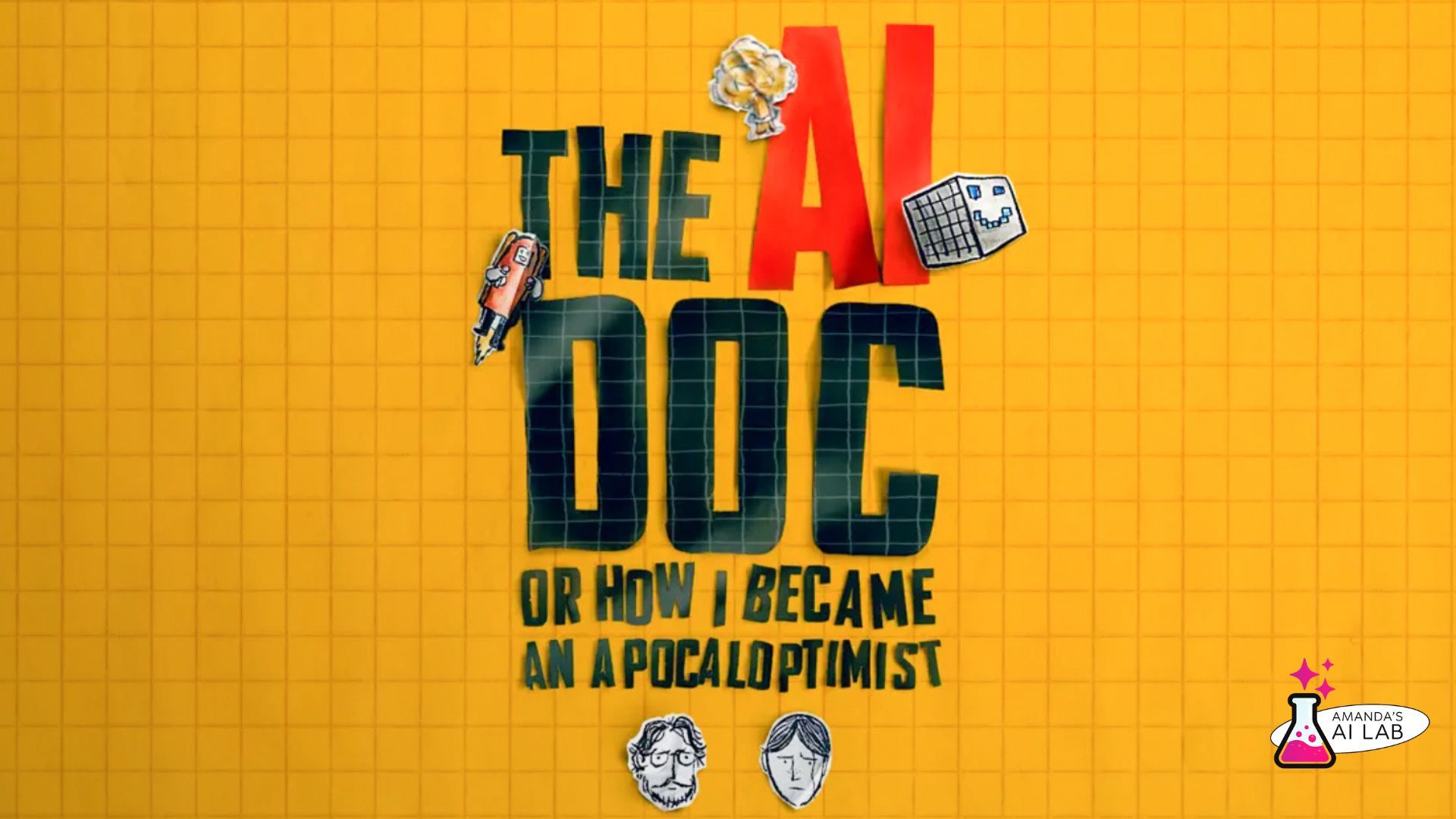
But nothing could prepare me for watching The AI Doc: Or How I Becam an Apocaloptimist on Amazon Prime Video. I walked away feeling something more unpleasant: uncertainty.
Directed by filmmaker David Borenstein, the documentary highlights the unsettling reality that AI is already here and is reshaping work, creativity, education, communication, and even human relationships faster than most people expected.
But one statistic in this documentary left me cold.

Amazing statistics that no one is talking about
![THE AI DOC: Or How I Became an Apocalypse - Official Trailer [HD] - In theaters only on March 27th - YouTube](https://img.youtube.com/vi/xkPbV3IRe4Y/maxresdefault.jpg)
watch on
According to the film, more than 20,000 people are currently working on AGI (artificial general intelligence), but less than 200 are specifically focused on AI safety.
Whether you believe that AI will eventually surpass human intelligence or not, the imbalance is difficult to ignore. Just this week, President Trump rescinded an executive order on additional AI safeguards. Because we are at a moment where the race to build AI feels more important than the race to understand it.
But what makes this documentary so effective is that it doesn’t demonize AI researchers. Many of the people featured truly believe that AI has the potential to accelerate medical progress, solve scientific problems, improve education, and even enable humanity to move forward faster than ever before. And certainly, some of it already feels true.
I use AI all the time in my work. I use it for research, organization, brainstorming, and productivity. Like millions of people, I’ve slowly integrated tools like OpenAI’s ChatGPT into my daily life without really thinking about it. That’s part of the reason this documentary was such a hit.
Because that fear highlights how normal AI already feels. The film returns again and again to one unpleasant reality. In short, companies are racing to build increasingly powerful AI systems because the incentive to act quickly is huge.
Who builds the best model first could dominate search, software, education, media, healthcare, and ultimately entire industries.
The brutal reality is that AI is not slowing down
This documentary reminded me of the early days of social media. The platform exploded in popularity around the world long before anyone fully understood the impact of disinformation, political manipulation, mental health concerns, doomscrolling, and algorithm addiction.
By the time governments and societies began to react, these platforms were already deeply integrated into everyday life. This documentary highlights why AI feels so similar, except potentially much faster.
The documentary argues that society may already be using AI at scale before we fully understand the long-term implications of systems becoming more autonomous, persuasive, and integrated into everyday decision-making.
And unlike social media, AI is advancing at a pace that regulations, education systems, and even average users may find difficult to keep up with.
The scariest thing is not AI doom, but uncertainty.
What disturbed me most about “The AI Doc” wasn’t just the idea that AI might end up being dangerous. I feel like I understand that to some extent. What is very disturbing is the feeling that this train is already slowing down too much.
This documentary explores the tension between optimism and fear, or “apocalyptic optimism.” The idea that AI could dramatically improve humanity while also creating risks that we may not fully understand until much later.
Everything seems to be happening simultaneously, as AI is integrated into nearly every aspect of our lives, from our phones to our browsers, and companies replace workflows with automation. In other words, we are rapidly weaving AI into our lives while governments struggle to build guardrails fast enough.
And just to be clear, this movie does not claim that AI will definitely destroy humanity. In fact, you can avoid extreme predictions altogether. But what makes it unsettling is the possibility that we are building a system powerful enough to restructure society before we have fully agreed on how it should work or who should control it.
final thoughts
“AI Doc” is worth a look, especially if you are a parent. In fact, that’s one of the reasons filmmakers Daniel Lauer and Charlie Tyrell took on the project. Both women are planning to give birth, and the film highlights their fears about their future.
Just to be clear, this documentary does not expect viewers to believe that AI is evil. The question remained: what would happen if one of the most powerful technologies in human history evolved faster than society could comprehend? And to be honest, I can’t stop thinking about it.

to follow Tom’s Guide to Google News and Add us as a preferred source Get the latest news, analysis, and reviews in your feed. Subscribe to Tom’s Guide YouTube and follow us TikTok.