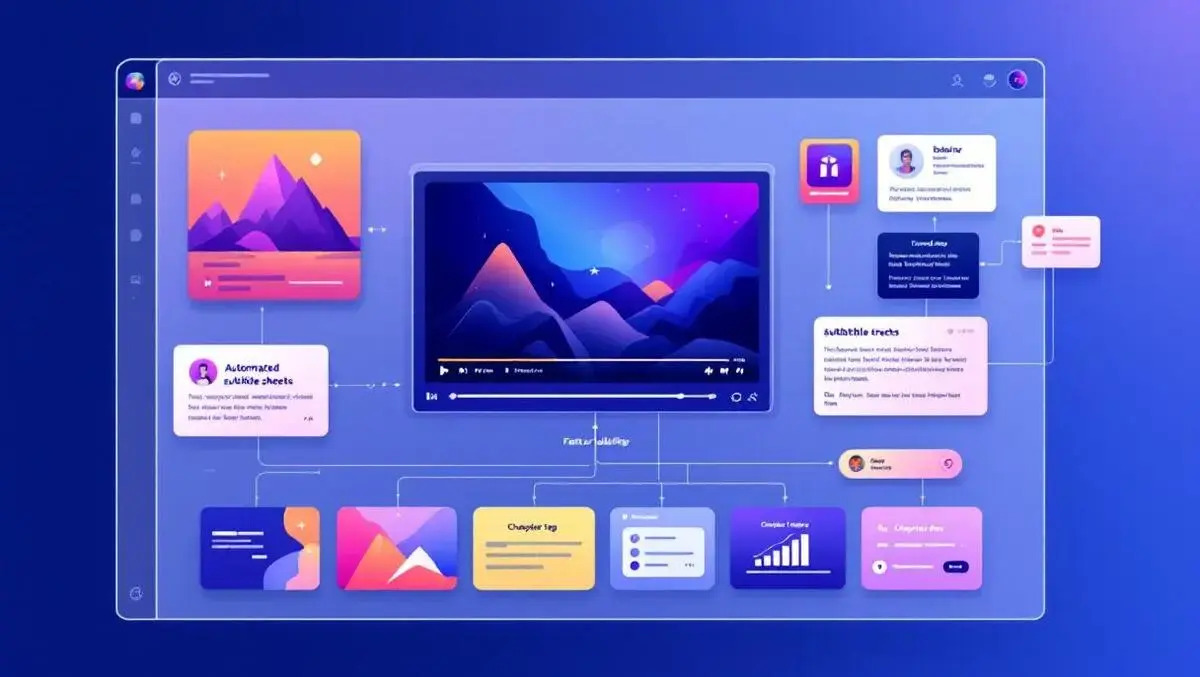
Cloudinary adds AI-driven video publishing automation tools to MediaFlows, bringing new post-production capabilities to its no-code workflow platform.
This update automates subtitle generation and translation, metadata creation, and chapter marker creation for video content. These additions are aimed at reducing manual post-production work and allowing brands to publish videos across markets with fewer specialized resources.
MediaFlows is Cloudinary’s workflow automation product for image and video operations. The latest release extends this functionality to publishing tasks that typically fall between editing and distribution, such as localization, accessibility, and search readiness.
Users can build custom workflows with MediaFlows through a no-code builder or natural language workflow agent. New functionality can be added to these automated sequences.
video workflow
One tool generates subtitles from the original audio and translates it into multiple languages. It is intended for businesses that publish to a global audience or are looking to meet accessibility requirements without manually managing subtitles for each asset.
Another feature creates video metadata such as title, description, and tags. This supports discovery within digital asset management systems and improves how video content is displayed in search engines and large-scale language model-based search tools.
Cloudinary also introduced automatic chapter generation for long-form content. Chapter markers allow viewers to navigate through product demonstrations, explainer videos, and reviews without having to manually review the entire video.
This announcement reflects widespread demand from brands who are now treating video as a standard part of their marketing, commerce and customer communications. As the amount of content increases, companies are under pressure to prepare videos for a variety of languages, devices, and distribution channels while reducing production timelines.
Cloudinary cited research from Wyzowl that found 63% of consumers prefer to learn about products through video. This preference has increased the operational burden for companies that need to create more content while also making that content searchable and accessible.
In many companies, these tasks are still handled by editors, marketing teams, or specialized agencies. Translating subtitles, tagging metadata, and creating chapters are often iterative, but they remain important for discoverability and usability, especially for brands that publish across multiple geographies.
market pressure
New tools target areas such as e-commerce, media and entertainment, and enterprise technology. These industries often need to react quickly, especially when product launches and market updates need to be published in multiple countries on the same day.
Accessibility rules are another factor driving demand for subtitled and localized videos. Companies operating in regulated markets may face additional compliance tasks when publishing video material, particularly if it is customer-facing or part of a broader digital service.
Changes in search habits are also impacting the way media companies and brands package video. Beyond traditional search engine optimization, publishers are increasingly considering how their content appears in AI-assisted search and answer tools, which can rely on clear metadata and structured information.
Cloudinary said its new MediaFlows video feature is now generally available. The company has more than 3 million users and 11,000 customers, including Adidas, Etsy, Fiverr, Grubhub, Mattel, Minted, Paul Smith, and Zalando.
The business positions itself as a platform for managing and distributing image and video assets for brands and developers. Its wide range of products includes tools to store, transform, optimize, and distribute media across websites, apps, and other digital channels.
This movement adds to the growing list of software products that apply AI to production workflows rather than content creation itself. For video publishing, the trend is focused on reducing the time spent on pre-release work outside of the production process.
Cloudinary pointed to this update as a tension between the strategic importance of video and the operational complexity of releasing it at scale.
“Every brand knows that video is important. It helps drive everything from conversions to engagement to trust. The brands that win are the ones that get it right,” said Tali Rothman, managing director of video at Cloudinary. “MediaFlows helps teams automate critical tasks that typically slow down video, such as localization, metadata, and navigation. This turns scale and complexity from a production bottleneck to a competitive advantage.”