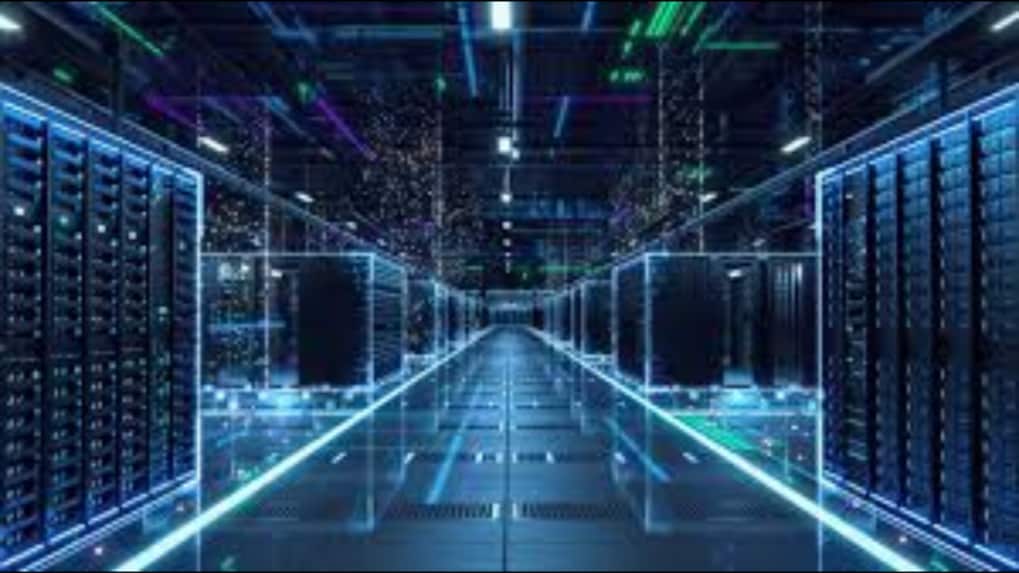
As artificial intelligence continues to advance rapidly, AI data centers are emerging as the backbone of this transformation, powering everything from chatbots to complex machine learning systems. These specialized facilities are designed to handle massive computational workloads, enabling businesses and governments to deploy increasingly sophisticated AI tools at scale.
AI datacenters are large technology hubs with thousands of high-performance computing systems processing vast amounts of data. They will be responsible for training AI models and supporting applications such as virtual assistants, recommendation engines, voice technology, and smart applications.
Unlike traditional data centers, which are primarily used to store websites, emails, and corporate data, AI data centers are built to perform highly complex calculations. They rely on advanced hardware such as graphics processing units (GPUs) and dedicated AI accelerators that can process large datasets at significantly faster speeds than traditional servers.
While traditional data centers focus on storage, cloud hosting, and day-to-day business operations, AI data centers are optimized for machine learning, deep learning, and real-time data processing. This difference highlights the shift from systems that simply store and distribute information to systems that actively analyze and interpret information.
AI systems require training on vast datasets including text, images, videos, and numerical inputs. AI data centers enable this learning process by handling the intensive computational requirements needed to build and refine models, such as language processors and predictive algorithms.
The scale of these operations generates significant heat due to the intensity of the workload. As a result, AI data centers require advanced cooling mechanisms such as liquid cooling systems and energy-efficient designs to maintain performance and prevent overheating.
These facilities also require significantly more power consumption compared to traditional data centers. This has led to increased investment in renewable energy sources, with companies exploring solar, wind, and other sustainable solutions to power their AI infrastructure.
According to a report from the International Energy Agency, data centers around the world already account for a significant share of global electricity consumption, and AI-driven demand is expected to accelerate this trend as computing requirements continue to grow. The report highlighted the importance of improving efficiency and deploying clean energy to address this surge.
According to a report from McKinsey & Company, global investment in AI infrastructure will increase exponentially over the next decade, with hyperscale data centers becoming the center of the digital economy. The study notes that countries that invest early in AI-enabled infrastructure are likely to gain a competitive advantage in innovation and economic growth.
Globally, countries including the United States, China, Japan, and various parts of Europe are leading the way in developing AI infrastructure. Big tech companies like Microsoft, Google, Amazon, and Nvidia are investing heavily in building AI-enabled facilities to meet growing demand.
India is also emerging as a leading market for AI data center expansion, supported by rapid digital growth, competitive infrastructure costs, and policy support. Growing demand for AI-driven services is driving investment in cloud and data infrastructure across the United States.
As artificial intelligence becomes more deeply integrated into everyday technology, AI data centers will play a central role in shaping the digital economy, supporting innovation while raising important questions about energy use, sustainability, and infrastructure development.
First publication date