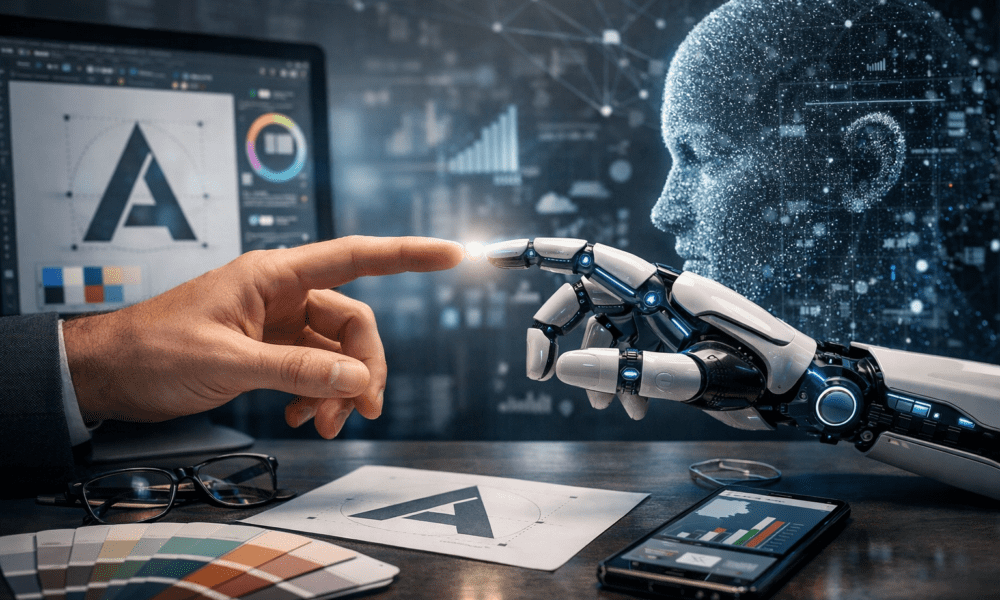
Brand identity used to be built through logos, slogans, and advertising campaigns. Today, processes are changing rapidly. Artificial intelligence and machine learning are reshaping the way companies build, manage, and communicate their brand identities. Rather than relying solely on creative instincts, companies are now analyzing large data sets to understand how their audiences think, act, and react.
AI-first branding means designing your brand around data and machine learning. Algorithms track user behavior, analyze sentiment, and predict trends. This allows businesses to refine their messages faster than ever before. In the past, brand campaigns could take months to test and adjust. Machine learning allows brands to test multiple variations of messaging within days and immediately measure results.
Consumer expectations are also evolving. People want personalized experiences. They expect brands to understand their preferences and provide relevant content. AI systems make this possible by analyzing patterns in search behavior, social media engagement, and customer feedback. This gives you more accurate insight into what your audience is interested in.
The result is a new approach to branding. It’s no longer static. Continuously evolves based on real-world data. Companies that take this approach build stronger connections with their audiences while remaining flexible in a rapidly changing digital world.
Data-driven branding strategy
Machine learning helps brands understand their audiences on a deeper level. Marketers can study actual behavioral data instead of relying on assumptions. This data reveals which messages resonate, which visuals capture attention, and which channels drive the highest engagement.
For example, AI tools can analyze thousands of social media posts and comments to identify emotional tone. If customers respond more positively to educational content than promotional messages, the system highlights that pattern. Brands can adjust their content strategies accordingly.
These insights allow businesses to build a brand identity that fits the needs of their audience. Rather than guessing what people want, brands respond directly to actual behavior patterns.
AI and brand experience personalization
One of the biggest benefits of AI-powered branding is personalization. Customers are less responsive to generic messages. They expect brands to recognize their preferences and communicate accordingly.
Machine learning systems analyze user data and tailor experiences across websites, email, and social media. For example, an online store might display different homepage designs depending on a visitor’s past activity. Repeat customers may receive product recommendations based on their previous purchases.
Mohamed Hamza Tumbi, Digital Marketing Strategist at Tericsoft Technology Solutions Pvt Ltd, highlights how AI simplifies complex branding decisions. “Working in enterprise technology content, we often translate advanced AI concepts into practical strategies for business. Machine learning helps brands identify patterns in customer behavior that would otherwise remain hidden. When organizations thoughtfully apply these insights, they create digital experiences that feel more relevant and helpful. That clarity strengthens brand trust and long-term engagement.”
AI also supports predictive branding. Brands can anticipate trends rather than reacting to them after they emerge. Machine learning models can predict emerging interest by analyzing search patterns and consumer behavior. This allows businesses to adapt their messaging early and stay ahead of their competitors.
Automation and brand consistency
Maintaining brand consistency across multiple platforms is difficult. Businesses communicate through websites, social media, email newsletters, and advertisements. Each channel requires slightly different messaging while reflecting the same identity.
Machine learning tools can help automate this process. Content generation systems can generate text that aligns with your brand while maintaining tone and style guidelines. Image recognition tools ensure visual elements remain consistent with brand standards.
Jay Patel, founder of StartWithJay, emphasizes the value of a structured growth system. “I’ve worked with hundreds of brands, and consistency is often the key to long-term success. AI tools allow teams to analyze campaign data and quickly refine messaging. In one initiative, we used predictive analytics to improve ad targeting and reduce customer acquisition costs by nearly 40%. When branding and performance data work together, growth becomes more predictable.”
Automation also allows creative teams to focus on strategy rather than repetitive tasks. AI handles data analysis and optimization while marketers focus on storytelling and innovation.
AI in community engagement and events
Brand identity isn’t just created online. Events, products, and community involvement also influence perceptions. Machine learning now supports these efforts by analyzing attendee behavior and engagement patterns.
For organizations running fundraising campaigns and events, AI tools can track participation trends and predict which promotional strategies are most effective. These insights allow brands to allocate resources more effectively.
Bazaar Marketing’s Peter Speck explains how data can help power event-driven branding. “For many of the organizations we support, events are an important way to connect with their communities. Over the years, I’ve seen how analyzing participation data improves planning decisions. By studying participant responses, we help organizations design more engaging and memorable experiences. Strong branding comes from meaningful interactions, not just advertising.”
AI can also analyze product performance. By tracking which promotional items generate the most engagement, brands can adjust future campaigns. This creates a continuous feedback loop between marketing and audience response.
Ethical considerations in AI branding
AI has many benefits, but it is essential that it is used responsibly. Brands must respect privacy and transparency. Collecting data without explicit consent can quickly erode trust.
Companies must communicate how customer data will be used and provide options for users to manage their information. Ethical data practices protect both consumers and brand reputations.
Mohamed Hamza Toumbi emphasizes the balance between innovation and responsibility. “Technology should simplify decision-making, not undermine trust. When brands combine AI insights with transparent communication, customers feel more confident engaging with brands. Ethical technology adoption strengthens both trust and growth.”
Organizations should also avoid over-automation. Authentic human voices remain important in branding. AI should support creative thinking, not replace it.
Conclusion: The future of AI-first branding
Machine learning is redefining brand identity in powerful ways. Data analytics, predictive insights, and automation enable businesses to respond to their audiences faster and more accurately than ever before. AI-first branding shifts the focus from guesswork to evidence-based strategies.
Subhash Kashyap shows how AI-powered SEO can enhance your online visibility. Mohamed Hamza Tumbi highlights how AI insights can guide companies’ marketing decisions. Jay Patel shows how predictive analytics can improve campaign performance. Peter Speck explains how data powers event-driven branding and community engagement.
Taken together, these perspectives reveal clear lessons. Brands that succeed in the AI era combine technology with human creativity. Machine learning provides insights and people craft meaningful stories.
The future of branding will continue to evolve as AI tools become more sophisticated. Companies that adopt data-driven strategies while maintaining credibility will stand out. AI-first branding is not about replacing creativity. It is about giving intelligence and insight.