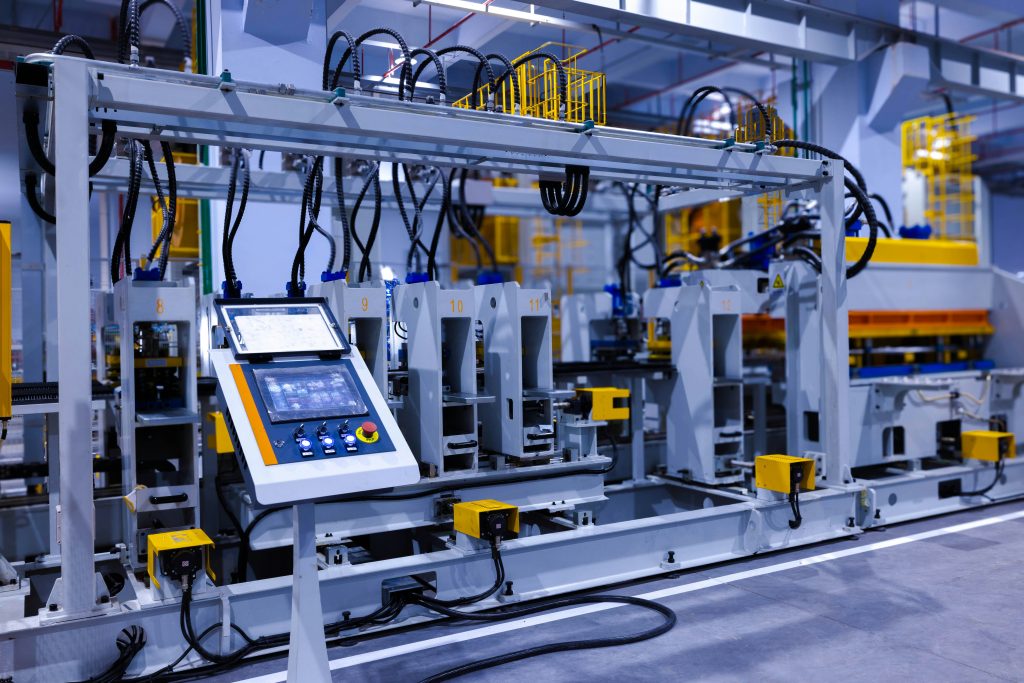
Unexpected machine failure may cause business to stop. Production may be delayed in many industries, including manufacturing, logistics, and transportation. Equipment failure can cost consumers trust, money, and time, so quick and reactive measures are needed to get things up and running again.
AI is changing the way companies work in nearly every industry, streamlining workflows and automating repetitive tasks. Learn about AI-powered predictive maintenance, how it works, and how it’s impacting your business.
What is predictive maintenance?
Predictive maintenance is the process by which companies take steps to detect equipment failures before they occur. This allows your team to be proactive rather than reactive about maintenance issues, preventing them from slowing down or grinding to a halt.
Predictive maintenance in manufacturing is typically achieved using sensors that provide real-time data. Experts can analyze that data to determine if the machine needs repair or part replacement.
The problem with this form of predictive maintenance is that it relies on human expertise. This makes it difficult for growing and large multinational companies to scale up predictive maintenance. Traditional predictive maintenance is time-consuming and risks failures due to human error and inconsistent schedules.
AI will transform predictive maintenance. Machine learning models can analyze vast amounts of sensor data in seconds and identify patterns that indicate potential equipment issues. Predictive AI analytics can be useful in every industry beyond manufacturing. used to reduce misdiagnosis In healthcare.
How does AI predict machine failure?
Here are some ways predictive AI models can analyze and manipulate both historical and current data.
Learn normal machine behavior
Making predictions based on information and data is the basis of how AI works. LLMs use vast amounts of trained information to answer queries and predict what is the most logical response to a query, statement, or other input.
AI models are fed vast amounts of information about machine behavior, signs of problems, and more. They can make predictions based on the knowledge they have absorbed.
Collecting machine data
AI begins the predictive process for equipment by analyzing sensor data. Many industrial machines, including CNC machines used in manufacturing, are equipped with sensors that provide real-time data. The global CNC machine market is worth over $68 billion Growth is expected, especially since it can be used in conjunction with predictive maintenance using AI.
Anomaly detection
By learning how machines should behave and collecting real-time sensor data, AI models can recognize patterns and anomalies. It can detect things like increased vibrations, temperature spikes, and irregular sound patterns.
Prediction of failure probability
Abnormalities such as increased vibration or temperature spikes can occur days or weeks before machine failure. A good AI model can flag these concerns and report how likely it is to fail. Suggestions for resolving the issue may also be provided.
alert maintenance team
AI models can alert maintenance teams when they discover anomalies. This means staff members don’t have to keep writing new prompts for LLM every day. The AI runs in the background and can send you a message if it finds an issue. Maintenance teams can tune exactly how the AI works and what kind of reports it sends.
keep learning
AI models can improve over time by learning from new machine data and past maintenance results. This means that AI predictive maintenance will become more powerful and accurate in the future.
Benefits of AI predictive maintenance
AI is transforming the way companies approach maintenance, and the benefits it brings are expected to make it even more pervasive.
Reduce downtime
AI has the ability to detect early warning signs from the data it collects, so it can alert you to small problems before they become serious. This allows businesses to be proactive rather than reactive and stay on top of equipment needs and maintenance. Estimated industry costs of unplanned downtime $50 billion annuallyAI could help alleviate that.
Reduced maintenance costs
By identifying problems early and fixing equipment while the problem is small, companies can save a lot of money in the long run, rather than fixing large problems or replacing equipment entirely. Predictive maintenance can reduce operational costs Cost savings of up to 25%And as AI continues to improve, this reduction is likely to increase further.
Extend equipment life
Equipment that is healthy and running smoothly can continue to operate much longer than equipment that consistently overheats or is severely damaged. A good AI model, used by a good maintenance team, can extend the life of your equipment.
Improving work efficiency
AI can also generate reports and provide recommendations to optimize efficiency. Maintenance teams can schedule better when they know what to prioritize, and AI can flag items that the team may have missed.
Improved safety
Especially in high-intensity industrial settings, equipment failure can lead to dangerous situations. Early detection of failures can minimize the possibility of serious failures and accidents.
From corrective repairs to predictive maintenance
AI helps maintenance teams stay on top of equipment issues so they can be addressed before they escalate into breakdowns that can cause operational delays and customer dissatisfaction. In the future, AI will play an even greater role in maintenance and repair.