
UNICEF We are expanding our Tinkering with Tech initiative to more countries and deepening our focus on: artificial intelligence literacy Growing global pressure to modernize classroom learning demands 21st century digital skills.
UNICEF and strategic partner Arm, along with implementing partners Micro:bit Educational Foundation and Raspberry Pi Foundation, have confirmed that the program will expand beyond the pilot markets of Honduras, Maldives, Montenegro and Vietnam in 2024 to include Laos, Ukraine and Uzbekistan.
The move positions Tinkering with Tech as part of a broader effort to connect AI, computational thinking, and digital skills directly to classroom practice at a time when more than 250 million children around the world are out of school and learning gaps persist.
Improving AI literacy through classroom practice
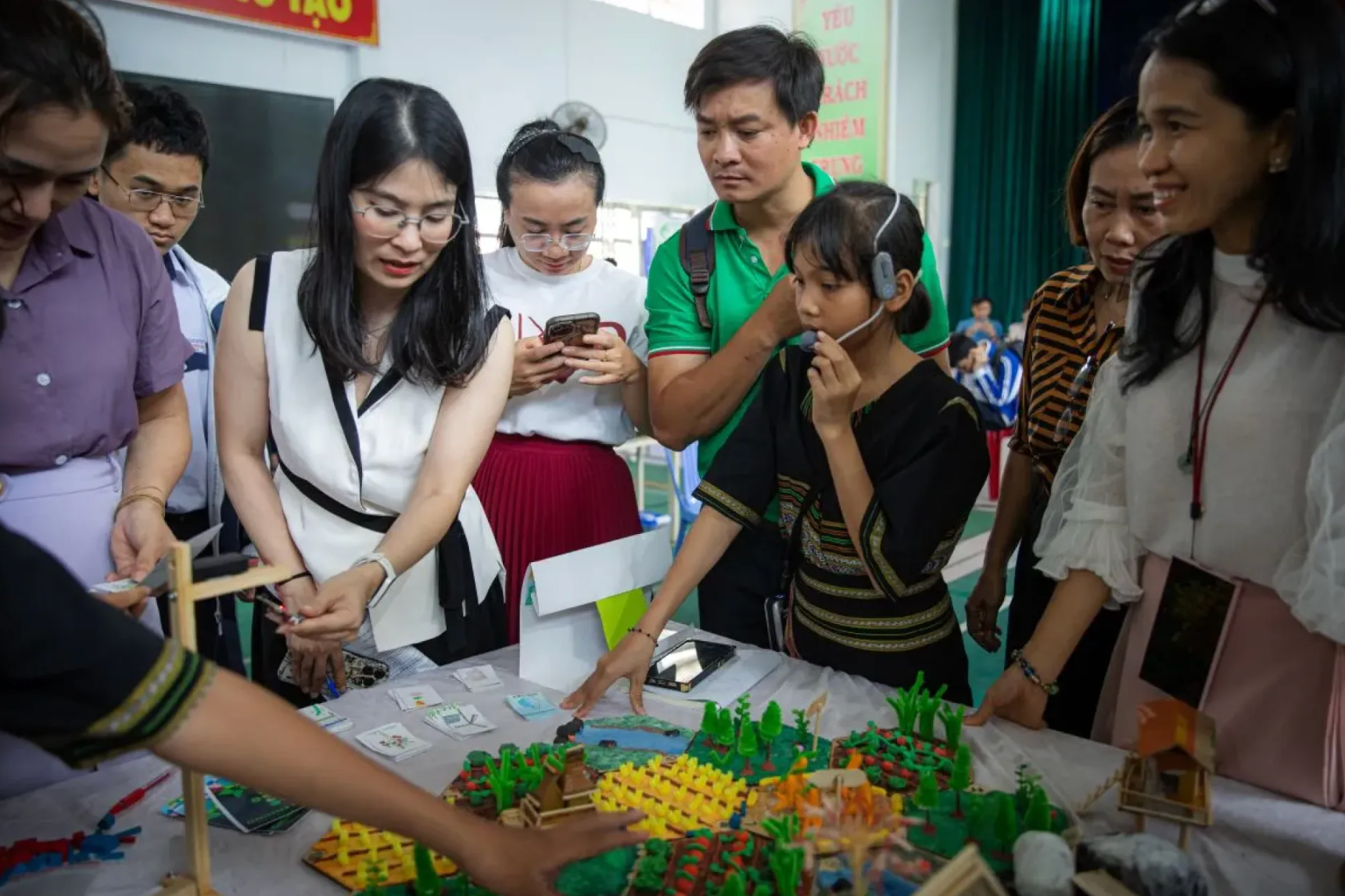
The initiative, led by UNICEF’s Global Learning Innovation Hub in Helsinki, will provide students and teachers with hands-on, experiential learning focused on computational thinking and practical AI skills.
Arm, which has supported the program since its launch, will continue to play a strategic role as it scales.
“Playing with technology helps young people develop the creativity, problem-solving and digital skills they need in a rapidly changing world,” said Fran Baker, Director of Sustainability and Social Impact at Arm. “We are proud to continue our partnership with UNICEF to help democratize access to AI for children around the world.”
This expansion also marks a shift from pilot delivery to broader systems integration, with partners aligning frameworks for teacher development, device-based learning, and AI literacy.
Strengthen teacher confidence and integrate curriculum
Phase 1 implementing partner Micro:bit Educational Foundation will continue to support professional development while integrating design thinking with micro:bit devices.
“The Tinkering with Tech project and our collaboration with the UNICEF Global Learning Innovation Hub are already having a huge impact in building confidence in both teachers and students. We are excited to partner and scale this project with AI Learning Pathways and micro:bit CreateAI to help even more children become innovators, not just consumers of AI,” said Melanie Washington, Chief Partnership Officer, Micro:bit Educational Foundation.
The Raspberry Pi Foundation joins as a new implementation partner and will contribute to the Experience AI program to support the responsible integration of AI into curriculum and non-formal education settings.
“Through our partnership with UNICEF, we are helping teachers gain the confidence and skills necessary to teach AI in ways that are engaging, relevant, and grounded in real-world contexts for students. Our shared objective is to ensure young people develop a strong foundational understanding of AI technologies and have the knowledge and confidence to shape how these technologies impact their lives and communities.” said Philip Corrigan CBE.
Equity, inclusion and system-level ambition
UNICEF frames this initiative within a broader equity agenda, emphasizing the inclusion of girls, children with disabilities, and marginalized groups and engagement with national systems.
“To support the responsible deployment of EdTech, AI and other digital solutions around the world, we need to equip children and teachers with 21st century skills,” said Frank van Capel, Head of UNICEF’s Global Learning Innovation Hub. “This means fostering AI and digital literacy, advancing science, technology, engineering and mathematics education, ensuring equity and inclusion for girls, children with disabilities and other marginalized groups, and collaborating with governments, the private sector and educators to build community-led EdTech solutions that deliver lasting results.”
ETIH Innovation Award 2026
The ETIH Innovation Awards 2026 is now open and recognizes education technology organizations that are driving measurable impact across K-12, higher education, and lifelong learning. The award welcomes applications from the UK, the Americas and overseas, and applications will be assessed on the basis of evidence of achievement and practical application.


