
US artificial intelligence chip giant Nvidia on Wednesday announced a partnership with an Indian computing company, as tech companies rush to announce deals and investments at a global AI conference in New Delhi.
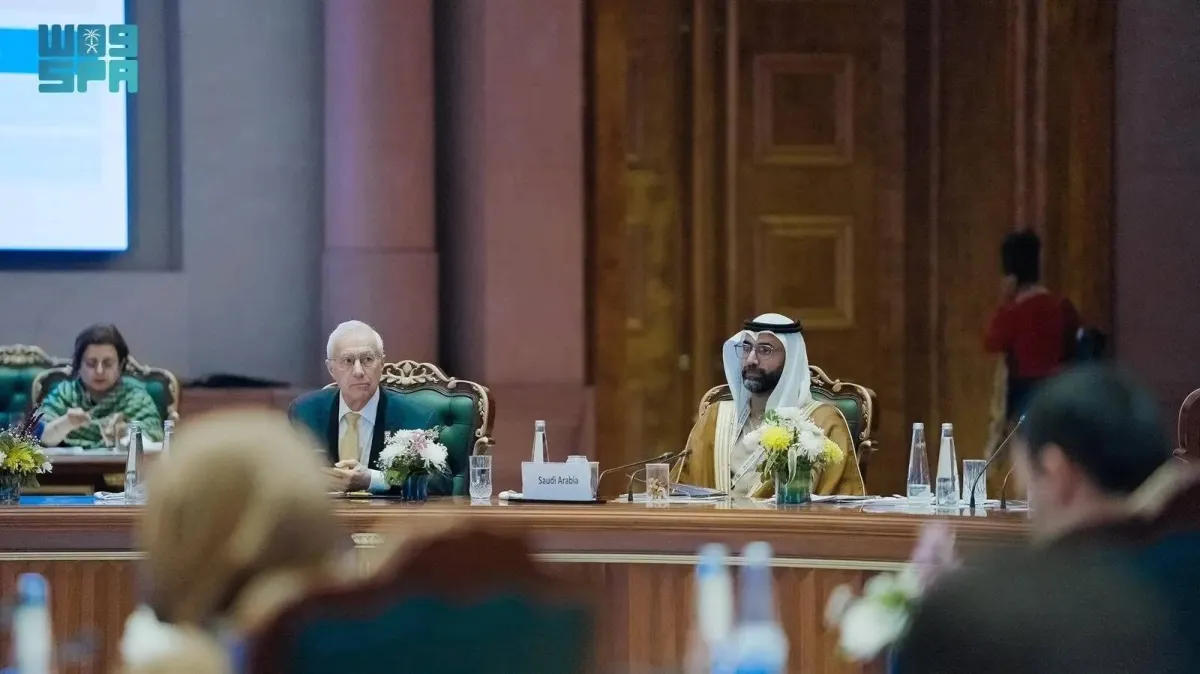
This week’s AI Impact Summit is the fourth annual gathering to discuss how to manage rapidly evolving technology, and an opportunity to “define India’s leadership in AI for the decade ahead,” organizers said.
Mumbai cloud and data center provider L&T has announced a partnership with Nvidia, the world’s most valuable company, to build what the company touts as “India’s largest gigawatt AI factory”.
“We are laying the foundation for a world-class AI infrastructure that will fuel India’s growth,” NVIDIA president Jensen Huang said in a statement, without disclosing the investment amount.
L&T said it will deliver up to 30 megawatts of data center capacity in Chennai and up to 40 megawatts in Mumbai using Nvidia’s powerful processors capable of training and running generative AI technology.
Nvidia said it is also working with other Indian AI infrastructure companies, such as Yotta, and will deploy more than 20,000 top-end Nvidia Blackwell processors as part of a $2 billion investment.
Dozens of world leaders and ministerial delegations traveled to India for the summit to discuss the opportunities and threats posed by AI, from job loss to misinformation.
Last year, India jumped to third place, overtaking South Korea and Japan, in a global ranking of AI competitiveness calculated annually by researchers at Stanford University.
But despite big infrastructure plans and lofty innovation ambitions, experts say the country has a long way to go to match the United States and China.
The conference has also resulted in a flurry of deals, with IT Minister Ashwini Vaishnaw saying on Tuesday that India expects to invest more than $200 billion over the next two years, including about $90 billion already committed.
Separately, India’s Adani Group on Tuesday announced plans to invest $100 billion by 2035 in developing “hyperscale AI-enabled data centres”, boosting New Delhi’s push to become a global AI hub.
Microsoft said it was investing $50 billion over the next decade to accelerate AI adoption in developing countries, while US artificial intelligence startup Anthropic and Indian IT giant Infosys announced they would collaborate on building AI agents for the telecom industry.
Nvidia’s Huang will not be attending the AI summit, but top US tech figures will be attending, including OpenAI’s Sam Altman, Google DeepMind’s Demis Hassabis and Microsoft founder Bill Gates.
World leaders, including Indian Prime Minister Narendra Modi, French President Emmanuel Macron and Brazil’s Luiz Inácio Lula da Silva, are expected to issue statements over the weekend on how they intend to address concerns raised by AI technology.
But experts say the broad focus of the event and the vagueness of promises made at previous global AI summits in France, South Korea and the UK mean concrete commitments are unlikely to materialize.
Nick Patience, AI practice lead at tech research group Futurum, told AFP that the non-binding declaration could still “set the tone for what acceptable AI governance looks like”.
But “the biggest AI companies are rolling out capabilities at a pace that makes an 18-month legislative cycle seem glacial,” Patience said.
“So the question is whether governments can converge quickly enough to create meaningful guardrails before companies themselves set de facto standards.”


