
AI may end up eliminating many jobs, but it could also spark a boom in entrepreneurship.
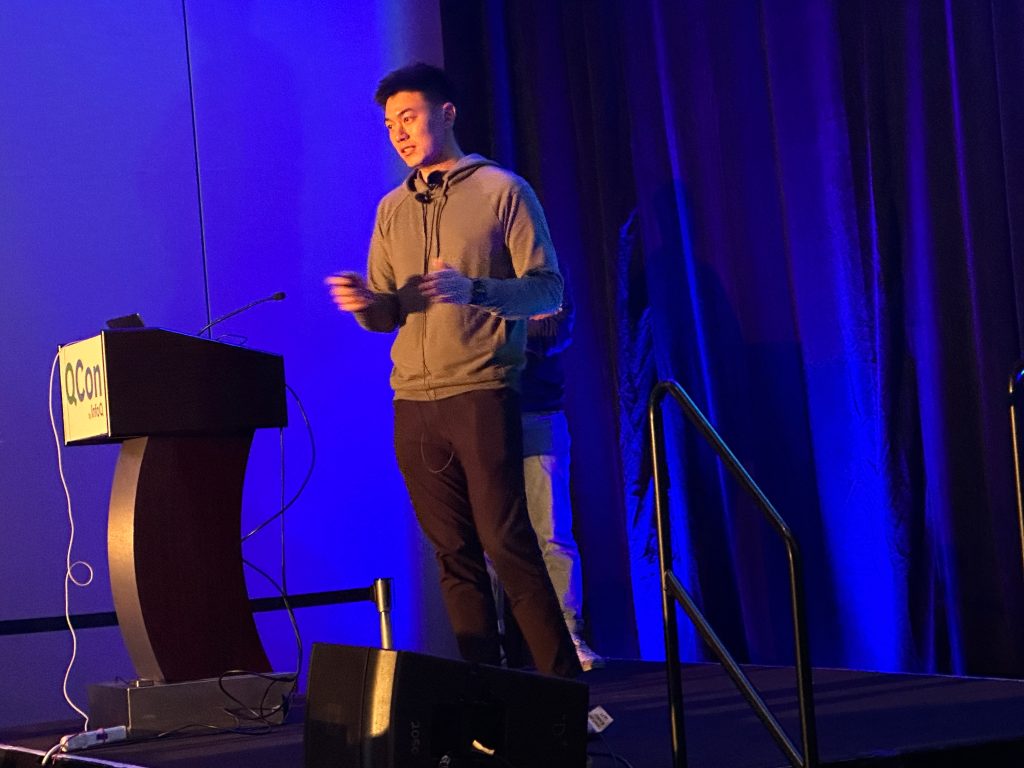
Sherwin Wu, Head of Engineering at OpenAI API, recently shared an impressive vision for how artificial intelligence will reshape the business environment. While much of the technology industry focuses on the potential for individual multibillion-dollar startups, Wu argues that the more serious impact is the massive proliferation of small and medium-sized businesses enabled by AI tools that make software development accessible to everyone.

“The fact that it’s easy for one person to launch a multibillion-dollar startup also means that it’s much easier to launch a startup in general,” Wu explained. “In fact, I think the secondary effect of this is going to be a big startup boom and a small SMB-style boom where anyone can build software for any purpose.”
Wu pointed to early signs already being seen in the AI startup ecosystem. “This is also starting to happen in the AI startup scene where software is becoming more vertically oriented, where creating some kind of AI tool for a particular vertical tends to work very well because they are very niche and understand the use case very well.”
He believes this trend will accelerate dramatically. “If you leverage AI, there’s no reason why you can’t multiply these startups by 100x. One of the worlds we could end up seeing is that in order to enable one person’s billion-dollar startup, 100 other small startups build bespoke software that works very well to support another type of one-person, billion-dollar small startup.”
This proliferation of AI-enabled businesses could transform the software industry itself. “I think we may actually be entering a golden age for B2B SaaS and software and services in general,” Wu said. “As it becomes easier and easier to build software and as it becomes easier and easier to run a company, we may actually see more startups.”
Mr. Wu provided a more grounded perspective on what success looks like for most entrepreneurs. “Well, as an individual, you might have a $1 billion startup, but you might have a $100 million startup. You might have tens of thousands of $10 million startups. And as an individual, having a $10 million business is actually pretty great. At that point, that’s enough for a lifetime. We might really see an explosion in that way.”
Wu’s predictions are consistent with broader trends already emerging in the technology sector. The rapid adoption of AI coding assistants and no-code platforms has already lowered the barrier to software development. Vertical AI startups have attracted significant venture capital investment in recent months, targeting specific industries from legal services to healthcare to manufacturing. Meanwhile, tools like OpenAI’s own Codex and competitors from Anthropic and Google have given developers access to advanced AI capabilities without requiring extensive machine learning expertise. If Wu’s vision comes true, we may not only witness a revolution in how software is built, but a fundamental democratization of entrepreneurship itself. There, the ability to identify the problem becomes almost as valuable as the ability to code the solution.


