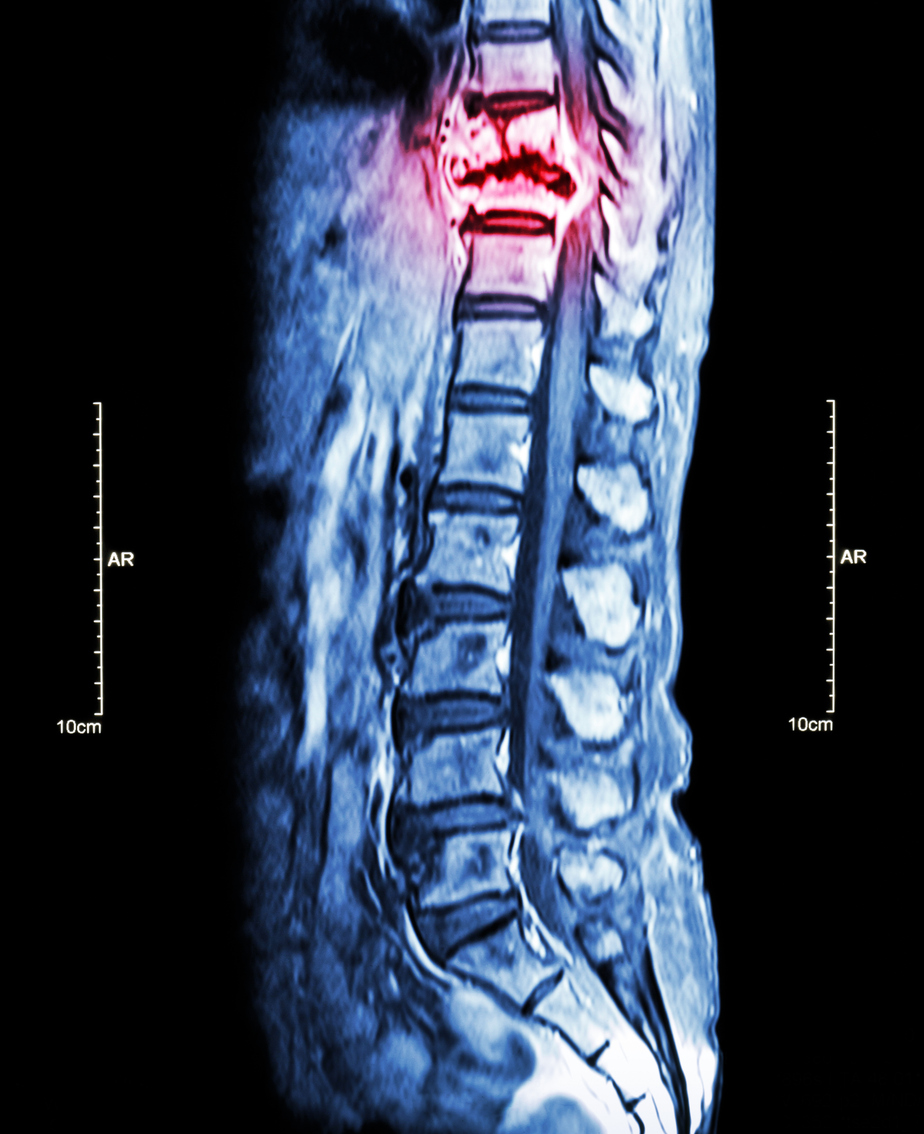
A prognostic scoring system for predicting 1-year survival for patients with advanced cancer and spinal cord metastases has been enhanced with machine learning to improve accuracy, according to results from a Japanese multicenter study published at . spine.
“This model provides a practical risk assessment tool to support surgical decision-making and optimize postoperative management,” the study authors conclude in their report.
Background and research method
Existing scoring systems to determine the prognostic impact of spinal cord metastases in patients with advanced cancer rely on outdated data and outdated treatment approaches.
“Traditional survival prediction models in clinical practice use data from the 1990s and 2000s,” said the study’s lead author. Dr. Sadayuki ItoAssistant Professor, Department of Orthopedic Surgery, Nagoya University Graduate School of Medicine. “These models do not fully reflect the impact of modern tumor treatments such as targeted therapies and immune checkpoint inhibitors.”
Researchers from the Japan Spine Surgeons Association established a prognostic scoring system using large-scale prospective data and machine learning techniques. This prospective multicenter study included 401 patients from 35 medical centers who underwent surgery for spinal metastases between 2018 and 2021. Least absolute shrinkage selection operator (LASSO) logistic regression and stepwise variable selection were applied to determine the most important predictors of 1-year survival.
Main findings
The 1-year survival rate in this study was 67.1%. Patients who survived 1 year tended to have better performance status, lower tumor burden, and less opioid use than those who did not survive. Five major predictors of 1-year survival were found to be age, ECOG performance status, bone metastases, opioid use, and preoperative vitality index score.
The prognostic scoring system showed an area under the receiver operating characteristic curve (AUROC) of 0.762.
Based on the identified prognostic factors, a risk stratification system was developed to classify patients into low-, intermediate-, and high-risk groups. The 1-year survival rate was 82.2% for patients in the low-risk group, 67.2% for patients in the intermediate-risk group, and 34.2% for patients in the high-risk group.
“Our next step is to validate this system using data from healthcare institutions around the world to ensure it can reliably help patients around the world,” concluded Dr. Ito.
Disclosure: For full research author disclosures, please visit journal.lww.com.