
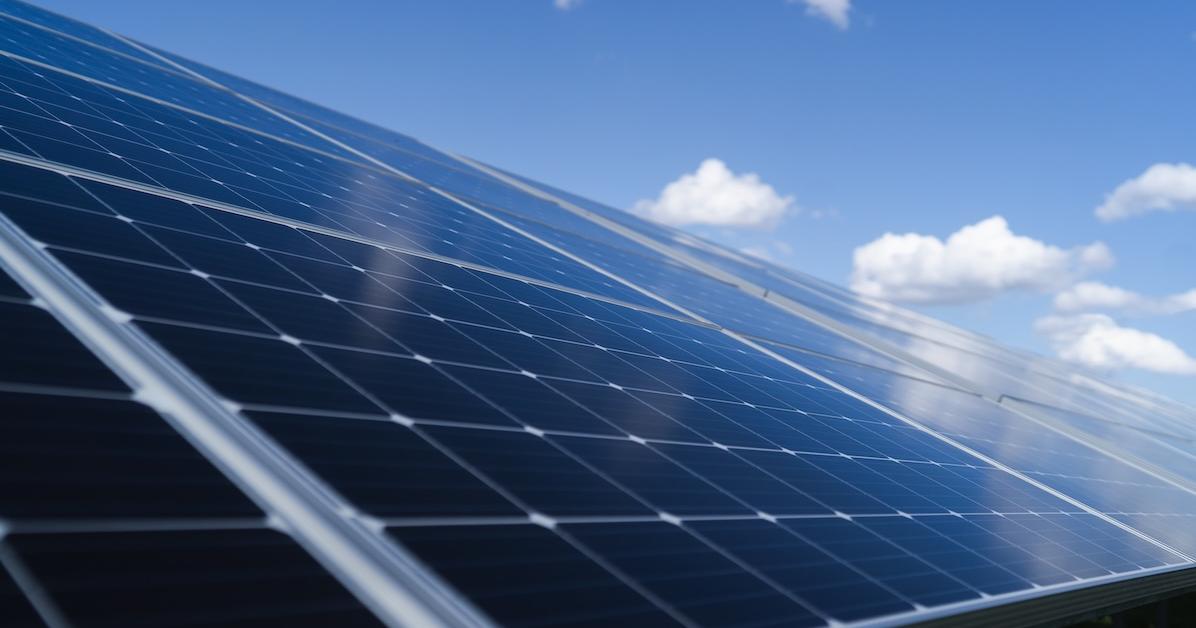
Even when the hype around the AI cycle dies down, AI will continue to demand more power.


For years, software has boasted that it runs faster while using more power. Currently, data centers, electric vehicles, and heat pumps are all powered by the same worn-out grid. Deep Patel, founder and CEO of GigaWatt, the parent company of DIY solar companies Unbound Solar and Real Goods, believes the story of AI is actually the story of electricity.
Article continues below ad
That’s because all large-scale energy models ultimately affect someone’s electricity bill. Patel shared the following predictions and thoughts on the future of AI, data centers, and the role of solar power in it all.
When the grid meets the needs of AI
AI runs on electricity and always requires electricity. Data centers draw fat and steady power, making old demand curves look archaic.
Patel warns, “Energy will be the real bottleneck for AI. Even the founders of OpenAI say that energy, not hardware, is the limiting factor for GPU expansion. We think this dynamic will accelerate in 2026.”
Article continues below ad
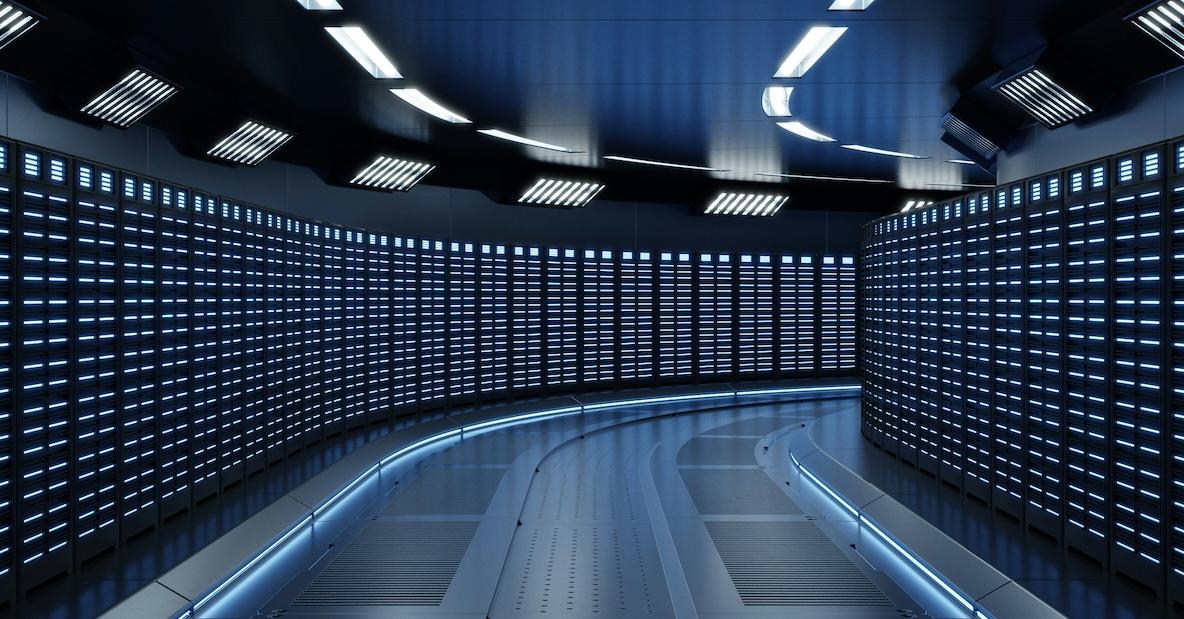
Patel doesn’t expect this squeeze to stay within the server room. “AI is creating a two-part energy problem: data centers need fast, scalable power, and homeowners need protection from the cost pressures AI places on the grid,” he says. The same megawatts it takes to power a chatbot can also have a big impact on your home bill.
Article continues below ad
Higher bills and less patience
Electricity was an afterthought in many household budgets until recent price increases brought it to the forefront. Patience for outages remains scarce and costs could rise as power companies race to meet new demand. He predicts that “electricity bills will become a national affordability crisis, even as customers continue to face power outages and reliability issues.”
That pressure is causing households to look for outlets closer to home. Solar panels and battery storage can signal a lifestyle choice or a neighbor trying to win Earth Day, and a growing number of buyers are treating them as financial tools and backup plans that could cushion soaring interest rates and keep the lights on when the broader system runs into trouble.
Why distributed power generation continues to be a hot topic
Centralized grids were built for use in different eras. AI, always-on connectivity, and home electrification have brought new spikes to this landscape, reducing the distance between server clusters and someone’s kitchen.
One of Patel’s predictions highlights the point that “natural gas may temporarily support data center expansion, but new turbine infrastructure will take six to 10 years to come online and will do nothing to protect households from rising electricity costs.” He added: “Solar power and storage is already in place today, ready to deploy and helps on both sides of the equation.”
Article continues below ad
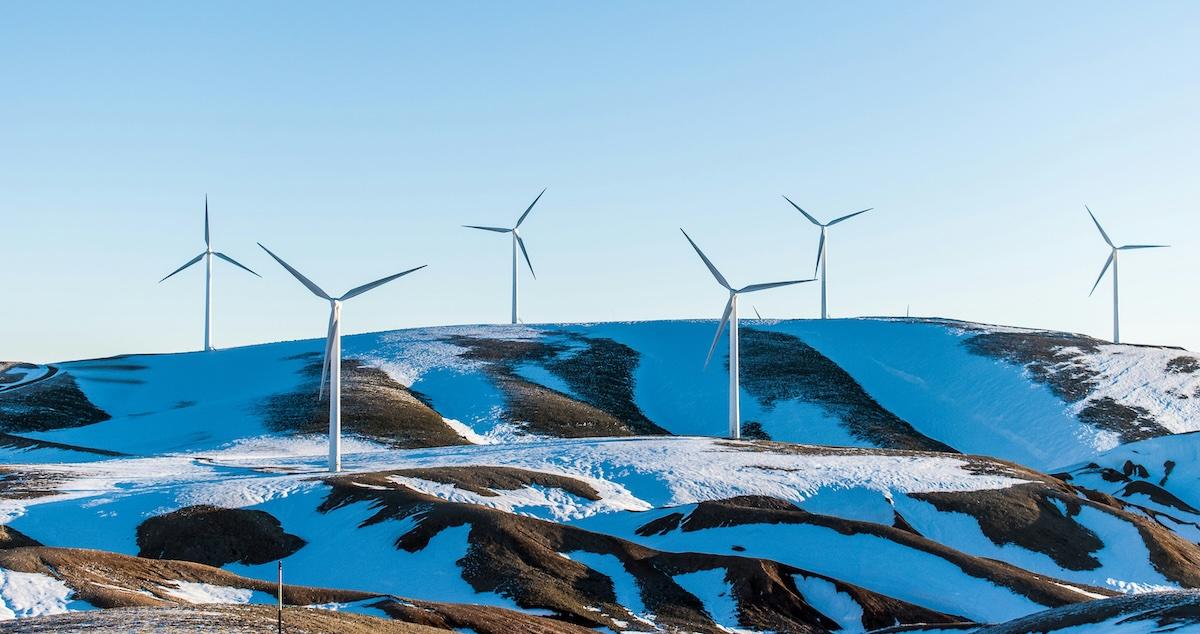
Distributed solar power and battery storage are just part of the problem, giving homes and small businesses more control over when, where and how they consume electricity. For investors, this shift could signal a shift away from pure AI enthusiasm and toward the hardware that keeps those models online when the power grid starts to creak.
What this means for the next few years
Even when the hype around the AI cycle dies down, AI will continue to demand more power. Electric cars, heat pumps and server farms share the same system, which is already groaning during hot afternoons during peak hours. “In 2026, a global arms race between AI and energy will begin, with countries competing for electronics like they once competed for oil,” Patel said in another prediction.
For families, the issue increasingly centers on timing. Bills go up, power outages continue, and rate notices become harder to ignore. The next era of energy may not just be defined in boardrooms and trade shows, but also on rooftops and breaker boxes. In that sense, the most important part of the AI story may turn out to be the part that happens off-screen, regardless of where the next kilowatt comes from.


