

Mark Zuckerberg's US tech giant Meta has reportedly paid “billions of dollars” to acquire a Chinese startup. That startup is Manus, a company specializing in artificial intelligence. The company's website describes the product (also known as Manus) as “an action engine that goes beyond answers to tasks, automates workflows, and extends human reach.”
The amount of the deal is not publicly known as both companies agreed to keep the numbers confidential. However, Chinese media have reported that the amount is in the “several billions of dollars”.
Manas was founded in 2024 by a team of Chinese entrepreneurs and technology wizards. It quickly gained attention by creating highly capable AI software. If you need proof of how capable the software is, know that Manus achieved US$100 million in revenue within nine months of its founding..
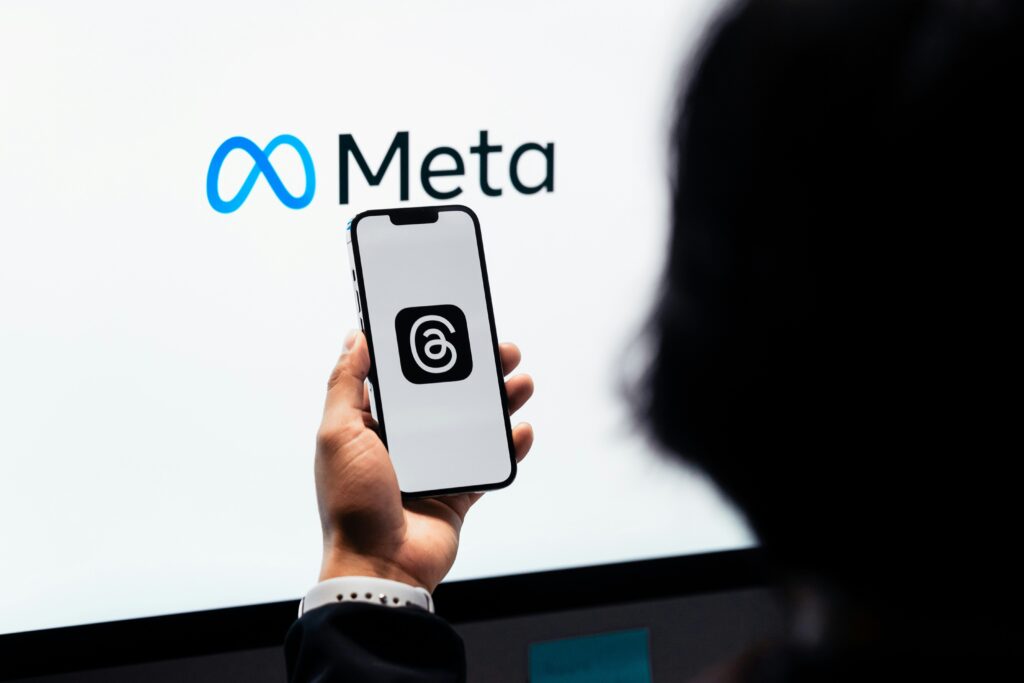
To avoid U.S. restrictions on Chinese technology, the company moved from its Wuhan base to Singapore, where it can weather uncertain geopolitical winds. As a result of the transaction, Manus will sever all ties with its Chinese owners and cease operations in mainland China. Manas CEO Xiao Hong will report directly to Meta's top management, significantly strengthening Meta's AI capabilities.
Looking at this more broadly provides some interesting perspectives. The adoption of Chinese technology by Western industry leaders is increasing. Meta is reportedly using Qwen, a suite of AI models developed by Chinese giant Alibaba, to train its own AI models, a move being touted as a major win for Chinese technology. China's open source model is also reportedly used by Microsoft and Amazon.
In a conflict broadly defined as a competition between China's open source model (where anyone can read and write code) and the West's private model (where companies keep their research and code secret), Manus and Meta's agreement is another sign that a shared ecosystem is working. It also shows that US tech giants are not afraid to spend big to win competition from the Chinese market, believing it will also give them a competitive advantage.


