
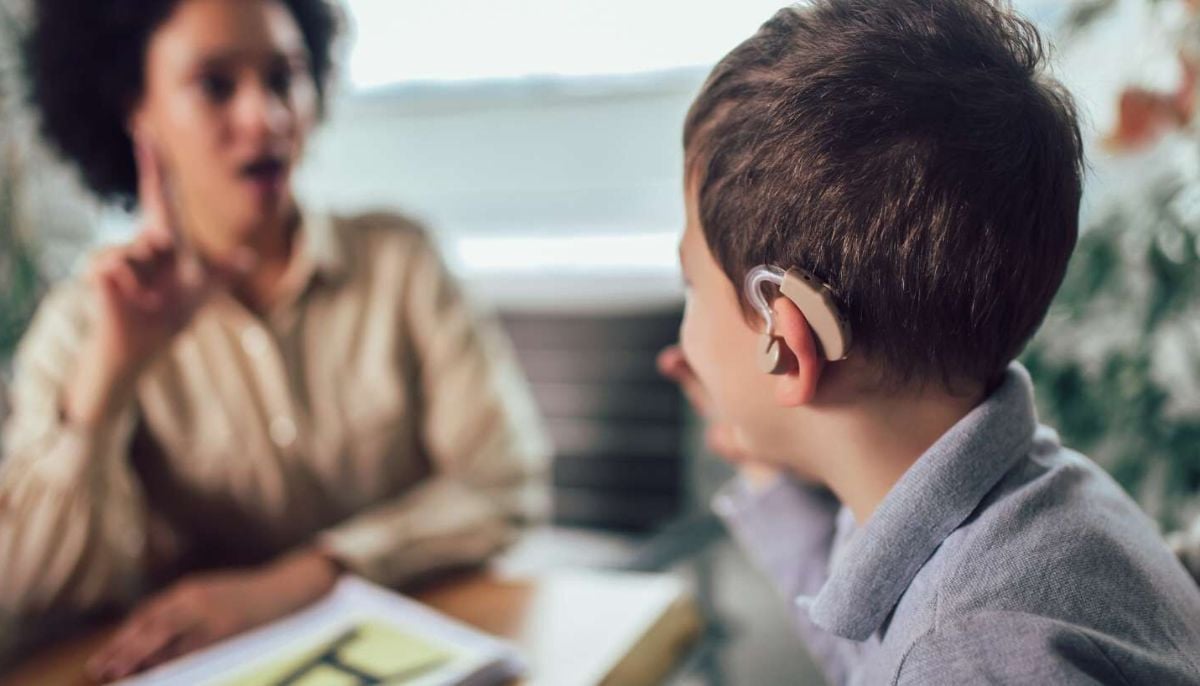

Groundbreaking international research presented at JAMA Otorhinolaryngology/Head and Neck Surgery demonstrated that artificial intelligence (AI) can predict the outcomes of children's spoken language.
This AI model used deep transfer learning to predict speech language outcomes one to three years after cochlear implantation with 92% accuracy.
Cochlear implants: the only effective treatment for severe to profound hearing loss
Cochlear implants are the only effective intervention that improves hearing and enables speech in children with severe hearing loss. However, the development of spoken language after early implantation is more variable than that of children with typical hearing.
The researchers trained an AI model to analyze the results based on forebrain MRI scans of 278 trilingual (English, Spanish, and Cantonese) children from Hong Kong, Australia, and the United States.
Such complex and diverse datasets have been observed to pose problems for traditional machine learning. This study showed remarkable results with deep learning models.
In this regard, lead author and medical director Nancy M. Young, MD, said, “Our results support the feasibility of a single AI model as a robust prognostic tool for language outcomes in children eligible for cochlear implant programs worldwide.”
The researchers said the same method could eventually be used to predict success in other childhood diseases besides hearing loss.
Nevertheless, the Pediatric Cochlear Implant Program is one of the largest and most experienced programs in the world, having performed more than 2,000 cochlear implant surgeries since its inception in 1991.


