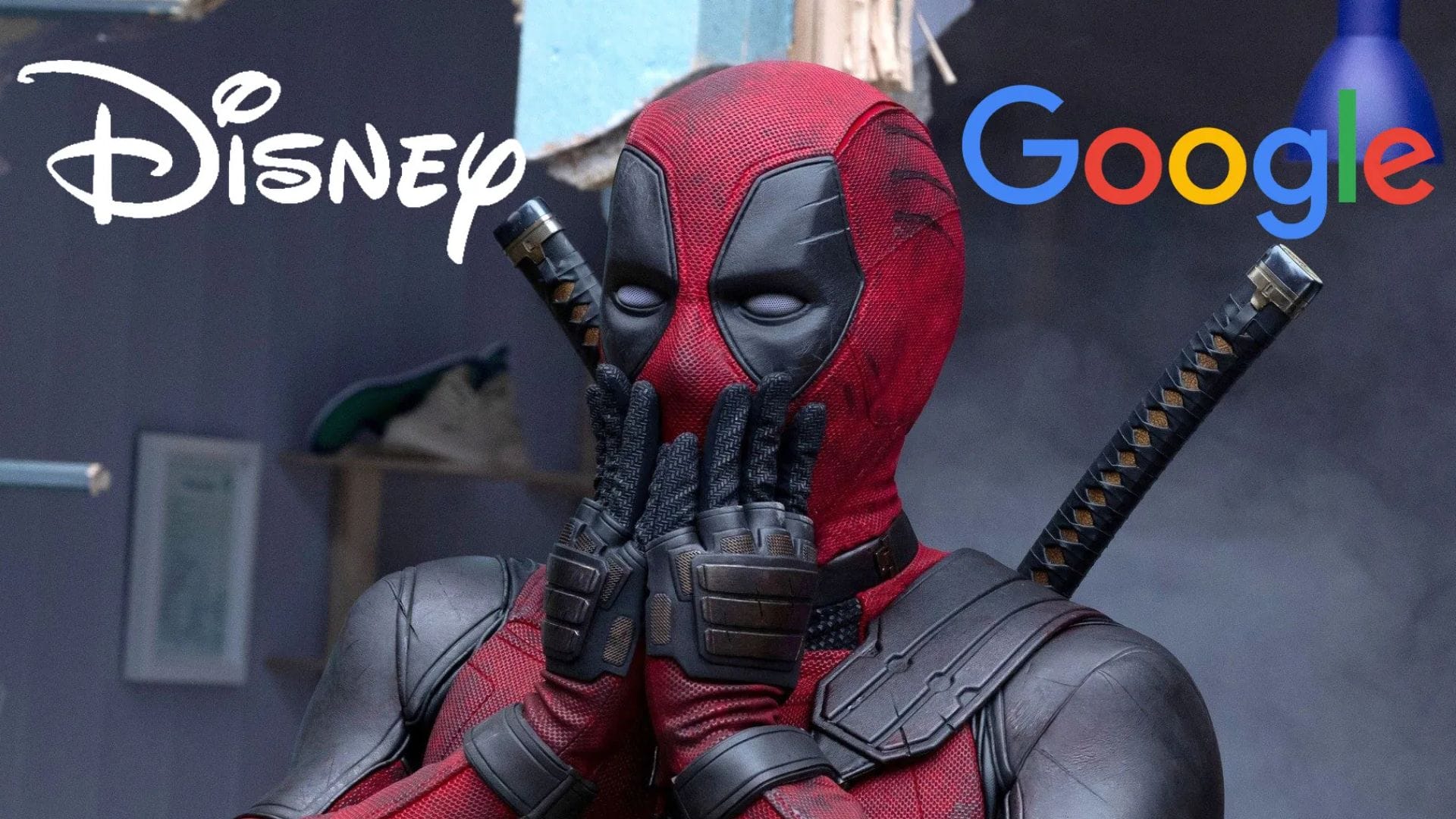
Google has begun removing AI-generated videos featuring Disney's most famous characters from its YouTube platform after receiving a legal warning from the Walt Disney Company. The removal comes amid a growing controversy over how generative artificial intelligence should handle copyrighted material, with Disney accusing the tech giant of widespread copyright infringement by its AI systems.
The deleted videos included clips featuring famous figures such as Mickey Mouse, Deadpool, and characters from Star Wars and other Disney-owned series. Many of these were published using Google's own AI video creation tool Veo, but links to them now display a message saying the content is no longer available “due to copyright claims by Disney.”
Disney's lawsuit follows the company's claims that Google's AI tools use its characters without permission to both train models and generate new content, and that the company did not take appropriate steps to prevent the spread of these materials.
Disputes over AI and intellectual property
In a letter sent to Google earlier this week, Disney's lawyers accused the company of copyright infringement “on a massive scale.” The letter detailed how Google's AI systems allegedly created and distributed unauthorized representations of Disney characters. Disney argued that some of these works were branded Gemini, giving the misleading impression that the studio had approved the use of its intellectual property.
The cease and desist letter wasn't just aimed at YouTube. Disney also asked Google to put safeguards in place to prevent its AI models from further exploiting Disney's extensive catalog of characters and creative works. The characters cited in the suit range from characters from “Frozen'' and “Moana,'' to heroes and villains from “The Lion King,'' “The Little Mermaid,'' “Guardians of the Galaxy,'' and more.
In response, Google said it had removed the offending content and was discussing the issue with Disney. The spokesperson emphasized the “long-standing, mutually beneficial relationship” between the two companies, noting that Google uses public data from the open web to train its AI and employs tools like Content ID to help rights holders manage their material.
The dispute highlights the legal and ethical challenges faced by big technology companies when balancing innovation in generative AI with respect for existing copyright laws. Disney's request for Google to stop using its characters to train AI models and prevent future reproduction underscores the desire for intellectual property owners to have greater control over how their works are used in machine learning.
Wider context: Disney's unique AI strategy
The conflict with Google comes at a time when Disney is simultaneously introducing AI technology through major partnerships. The studio announced a three-year licensing agreement with OpenAI backed by a $1 billion investment. This makes over 200 Disney, Marvel, Pixar, and Star Wars characters available for authorized use in OpenAI's Sora AI video generator.
Under the deal, fans will be able to create and share short AI-generated videos featuring familiar characters within the Sora platform. The agreement also includes internal use of OpenAI tools at Disney and the possibility of adding selected user-generated Sora videos to the Disney+ streaming service.
Disney CEO Bob Iger said the agreement with OpenAI “expands the scope of storytelling through generative AI, while respecting and protecting creators and their work.” OpenAI CEO Sam Altman said the partnership is a model for how AI companies and creative industries can work together responsibly.
But that collaborative approach stands in sharp contrast to Disney's attitude toward Google. While the deal with OpenAI gives Disney some control over how its characters are used in new AI-generated content, the cease-and-desist letter to Google accused Disney of failing to respect those rights and profiting from Disney's creative assets without permission or compensation.
The situation reflects broader tensions in the technology and entertainment sectors over the role of artificial intelligence. Hollywood studios and other rights holders are becoming increasingly vocal about the need to protect copyrighted works amid rapid advances in AI capabilities. Disney has previously issued similar warnings and legal challenges to other technology platforms, including Meta and Character Creator, as the industry grapples with how to adapt to generative AI without undermining established intellectual property frameworks.