
Cyber safety experts have warned that safeguards need to be put in place to protect children from artificial intelligence, with figures showing that more than 60% of children in the UK now use AI chat websites.
According to Charity Internet Matters, young people are increasingly turning to AI platforms for advice and companionship, but many do so without moderation or a clear understanding of the risks.
A few years ago, AI might have been associated only with robots and supercomputers, but today it plays an increasingly inevitable role in our lives. The rise of generative AI chat websites offering personalized “character” interactions is currently raising serious concerns.
Chatbots (online websites or apps designed for text conversations, such as ChatGPT) allow users to ask any question and receive a computer-generated answer.
 STV News
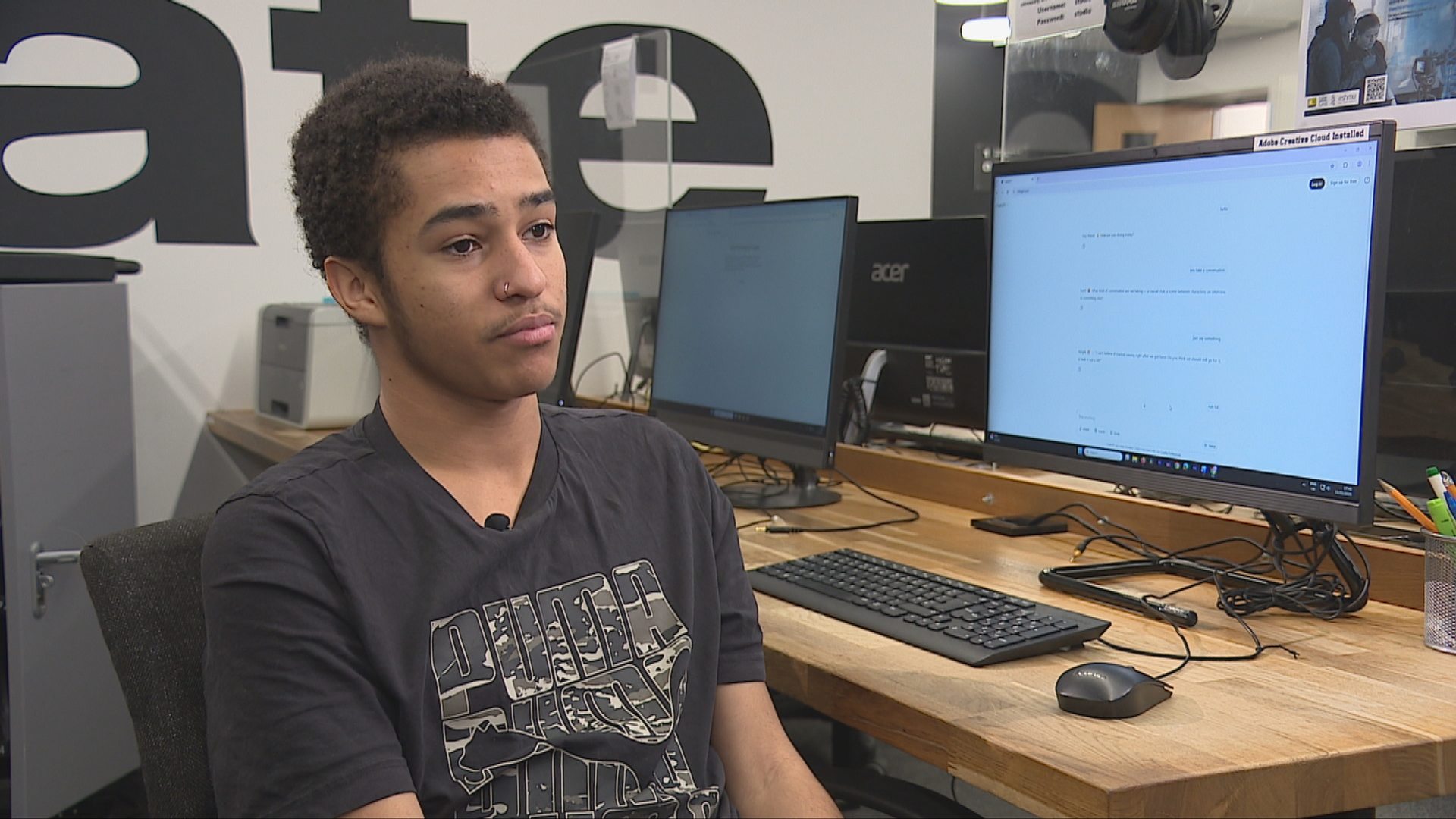
Young people studying in Aberdeen say these platforms are ‘addictive’.
Daniel says, “If something bad happens, I go to ChatGPT and try to find an answer. I feel like I keep searching and the AI really perpetuates it.”
“They always like to say, ‘Oh, is there anything you want to know about this?’ at the end of the prompt. And that just leads to a cycle of wanting to know more and more. The AI almost never tells you to stop.”
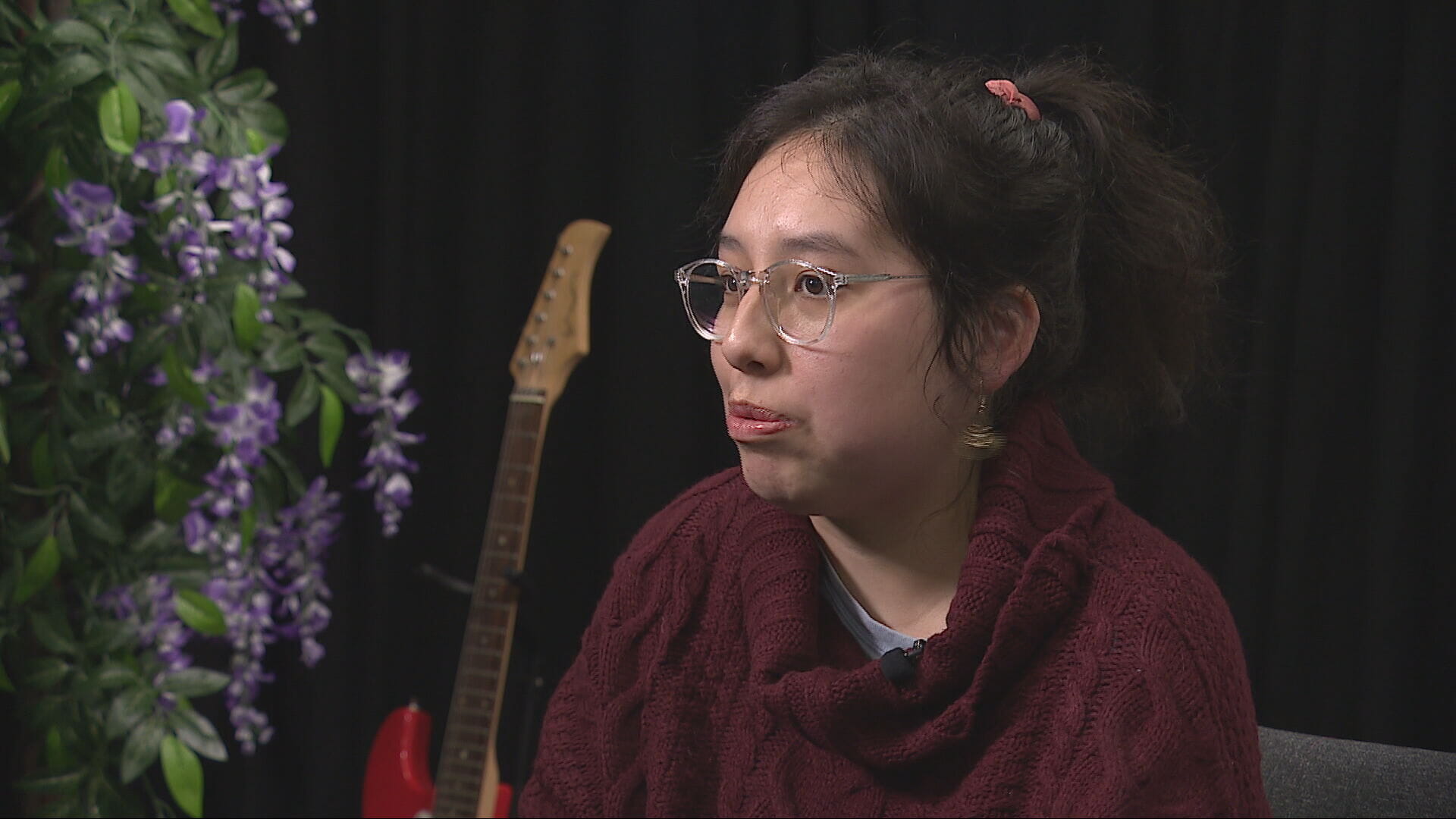
Enya says she uses it up to five times a day.
“I can’t believe how many times this has happened since January – and the end of the year is almost here.
“The cycle of being addicted because it’s quick and easy is very true. It’s also very appealing to have the models come back with questions.”
 STV News
In August, Microsoft’s AI CEO Mustafa Suleiman tweeted that there were reports of “AI psychosis,” an increase in unhealthy attachments between humans and AI.
He warns that safety measures need to be taken now.
Last week, Mental Health UK revealed that more than one in three people use an AI chatbot for mental health support.
Generative AI can also create characters that people can interact with online, raising concerns among cybersecurity experts. Companion-style chatbots are rapidly gaining popularity, and CharacterAI is the most widely used.
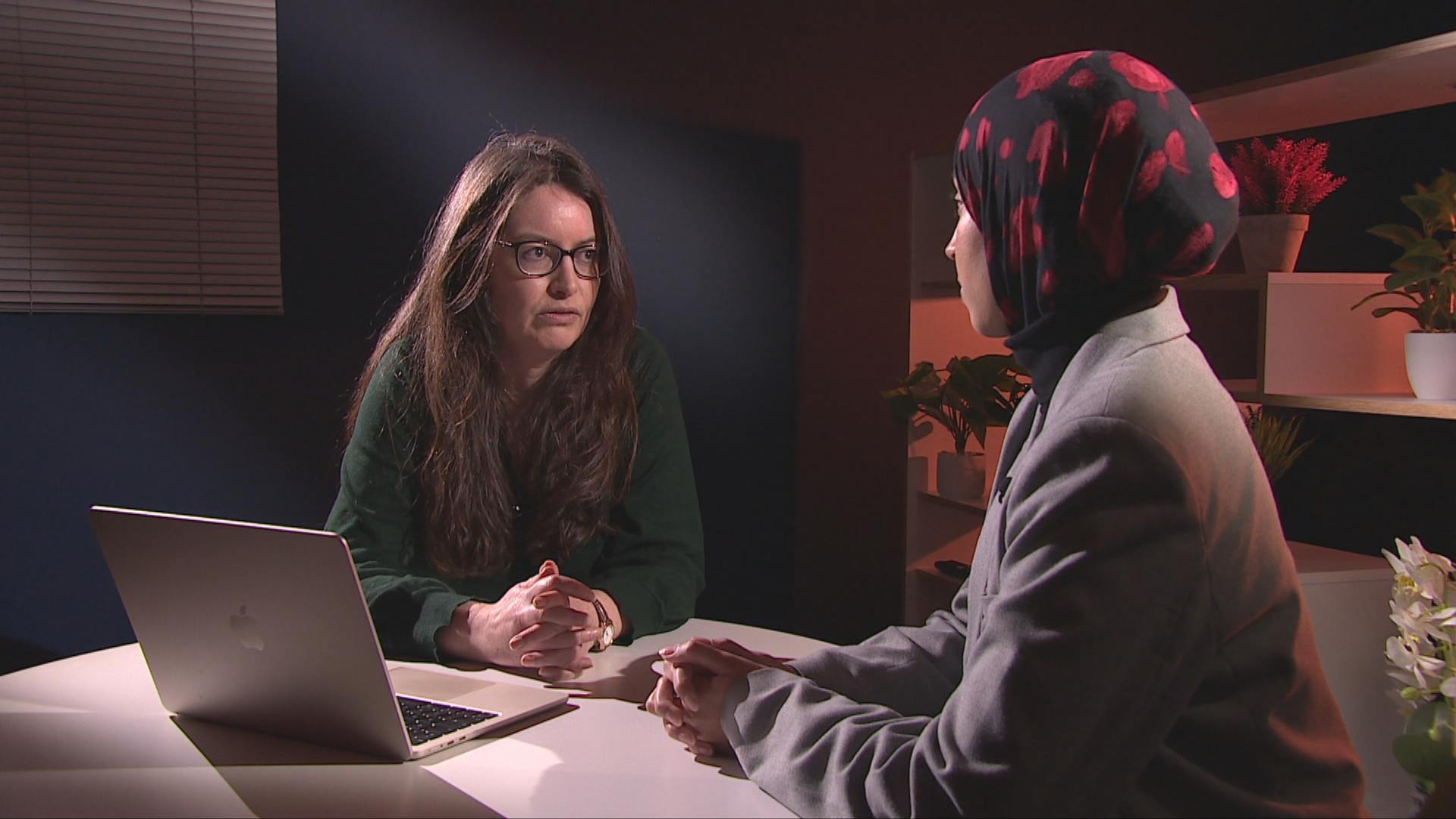
Cyber safety expert Annabelle Turner says such interactions can have serious consequences for children and teens.
 STV News
“All of these characters are designed to act in a very adult way,” she said.
“If you’re flirting with an AI character and pushing the boundaries, it’s no different than being groomed by an adult, but you won’t recognize it because it’s your favorite character.”
Most chatbot and generated AI sites have no age verification checks and are not tightly controlled, allowing children to access content that is restricted on other social sites.
“They visit these sites because they may see ads that are appealing to them. They are not designed for children and young people, but they are very easy to access.”
She explains that this interaction risks affecting the child’s well-being.
“It normalizes increasingly harmful behavior and makes it feel like it’s an everyday thing. It changes their view of how they should be treated and their fundamental worldview.”
Britain’s Online Safety Act, which came into force this year, was hailed by campaigners as a step towards greater protection.
But those working on online harm say technology is evolving much faster than regulation.
“This situation isn’t going away. So how do we support children’s development through the teenage years?”
“We want products that are exciting, creative and suitable for children and young people, but that’s not all,” says Annabelle.
“These are spaces that we desperately need to be aware of as parents and caregivers. We just don’t have enough conversations about it. Things have completely changed.”
STV News is now on WhatsApp
We deliver the latest news from all over the country
Follow STV News
Follow STV News on WhatsApp
Scan the QR code with your mobile device to get all the latest news from around the country