Alibaba CEO Eddie Wu flatly dismissed concerns about an artificial intelligence bubble, saying the company “doesn’t see much of a problem with the so-called AI bubble” and plans to invest “aggressively” despite Google’s Sundar Pichai’s warning about “irrational elements” in the fast-growing sector.Wu told investors that Alibaba will not be able to keep up with soaring customer demand and predicted that AI resources will continue to be in short supply for the next three years. The Chinese tech giant’s confidence appears to be backed up by concrete results. The company’s Qwen app exceeded 10 million downloads within a week of its release.“We haven’t even been able to keep up with the increase in customer demand,” Wu said, insisting that adoption is being driven by real business needs across manufacturing and product development, not speculation.
Google CEO warns no company will be immune
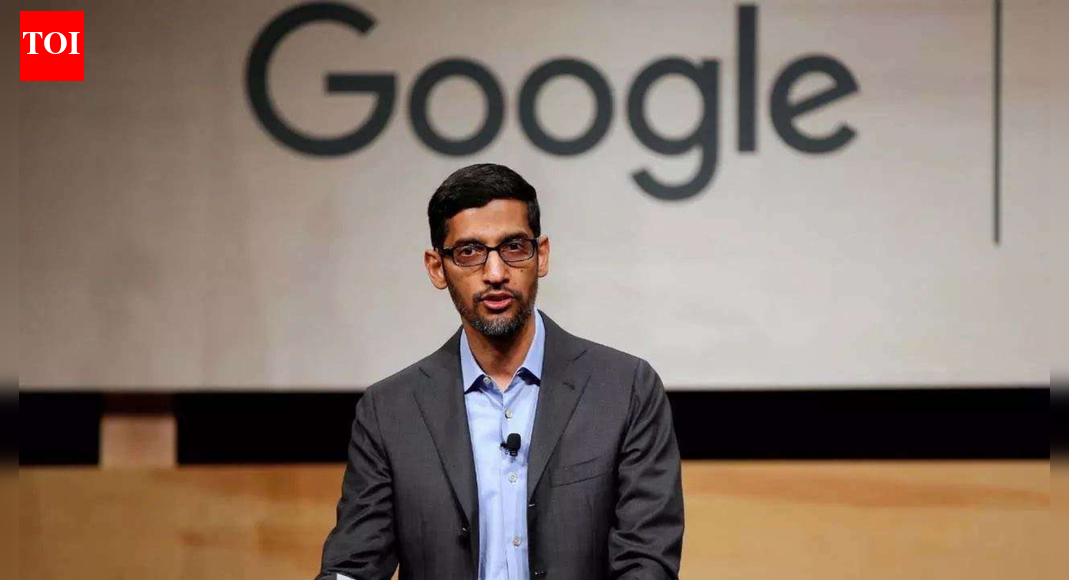
Pichai warned that if the AI bubble bursts, no company, including Google itself, would be immune. He acknowledged that investment cycles can “overshoot,” similar to the dot-com era, and predicted that AI will follow the same pattern.Concerns from Google’s top executives center on whether the company’s huge infrastructure investments can yield returns quickly enough to justify its current valuation. He warned of AI’s “huge” energy demands, which accounted for 1.5% of global electricity consumption last year, and acknowledged the company faces challenges in meeting its 2030 net-zero climate goal.The debate has intensified as analysts point to around $1.4 trillion in OpenAI-related transactions, even though OpenAI expects this year’s revenue to be less than a thousandth of its planned investments. Some fear a repeat of the dot-com crash of the late 1990s, when collapsing ratings caused job losses and hurt pension funds.
Alibaba doubles despite profit pressure
Alibaba’s sales in the September quarter rose 5% from a year earlier to $34.8 billion, but net profit plunged 53% due to heavy spending on AI and commerce. The company’s cloud division led the growth, increasing 34% due to AI-related products.Wu suggested that the company’s previously announced 380 billion yuan AI investment over three years “may be small.” His bullish stance is in stark contradiction to Alibaba Chairman Joe Tsai, who warned in March that we were seeing “the beginnings of some kind of bubble” in the data center construction boom.The divide between optimists like Wu and skeptics like Pichai reflects growing uncertainty across Silicon Valley. While Big Tech companies in Silicon Valley are expected to spend $320 billion on AI infrastructure this year, they are grappling with the question of when and whether those investments will pay off.