November 24, 2025
This work was sponsored by ClickRain.
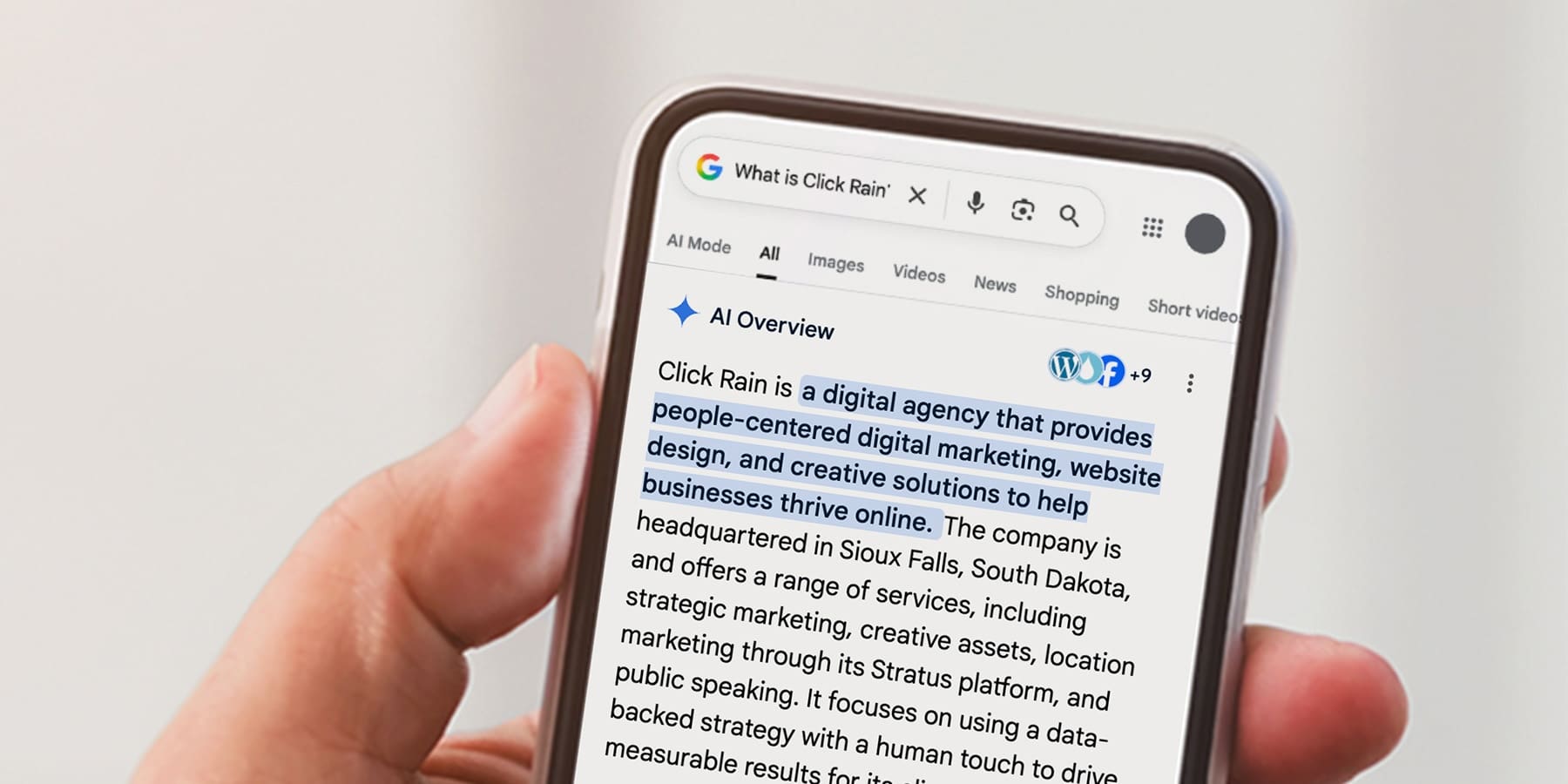
Search is undergoing its biggest change in decades. Historically, SEO focused on helping websites achieve higher rankings in traditional search results. Now, with Google’s AI Overview and generation tools like ChatGPT and Perplexity, users are interested in condensed, conversational answers that bypass websites entirely.
This transition introduces a new optimization layer focused on visibility within the AI-driven search experience. SEO is still important, but AI SEO determines whether your content is understood, trusted, and cited by AI systems.
In this article, we’ll explain how traditional SEO and AI SEO work together, what’s the difference between them, and how you can adapt to stay visible in an AI-driven search environment.
AI SEO basics
Definition of AI SEO and why it matters
AI SEO is the practice of optimizing content to be discovered, understood, and cited by AI-powered search tools such as ChatGPT, Perplexity, and Google’s AI Overview. Marketers are still defining the language around this topic. you might hear people calling it Generation engine optimization — GEO — or Response engine optimization — AEO — Among other terms. Although the terminology is different, they all aim to ensure that content is recognized and cited within AI-generated answers. For consistency, we’ll use the umbrella term “AI SEO” to cover all of these.
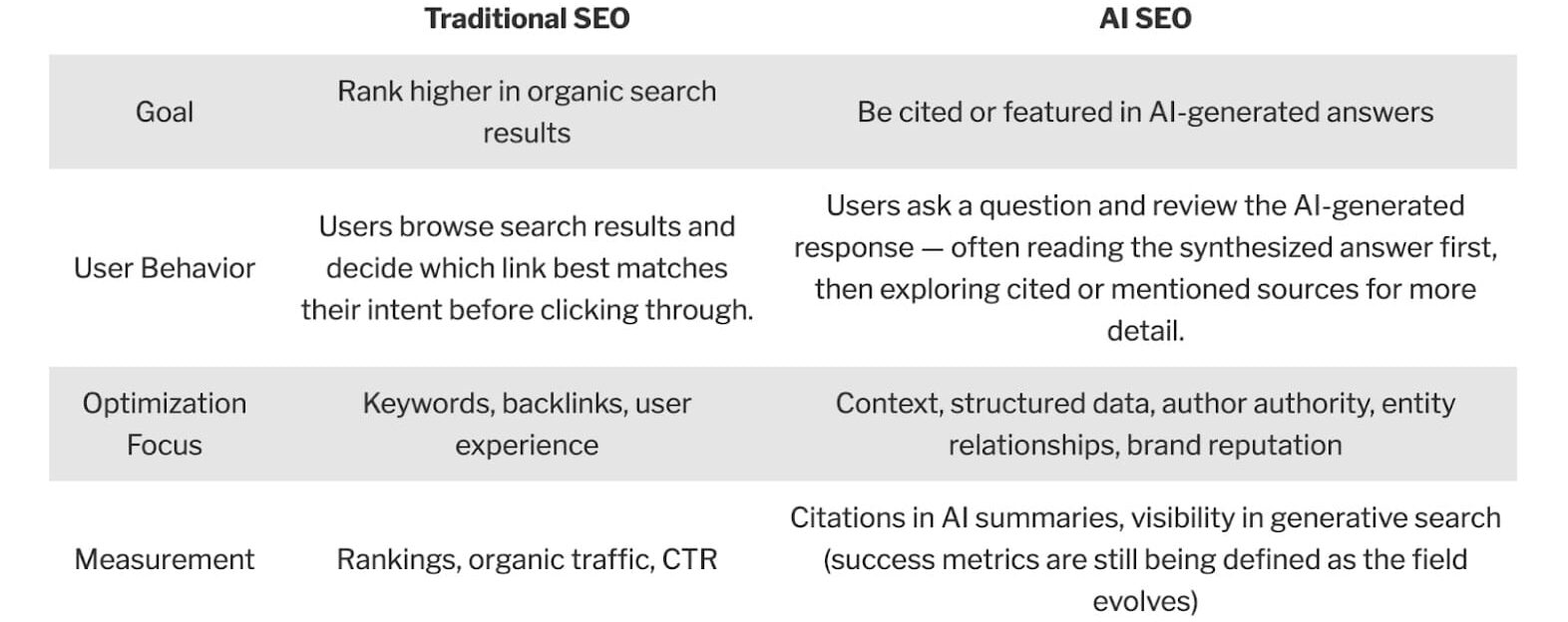
Both traditional SEO and AI SEO are essential to your overall digital strategy. While traditional SEO helps your site rank higher in search results, AI SEO aims to ensure that AI-generated answers include content. Together, these allow your website to appear wherever searches are made.
We’ll discuss this in more detail in the future, but here’s an overview of how traditional SEO and AI SEO stack up side by side.
Understand how AI SEO works
To put AI SEO into practice, it helps to know how generative search tools work behind the scenes. They still crawl websites to discover and understand content the same way Google does, but what they do with that information is different. Rather than simply ranking pages based on keywords or backlinks, AI systems read, interpret, and combine information from across the web to form a single, conversational answer.
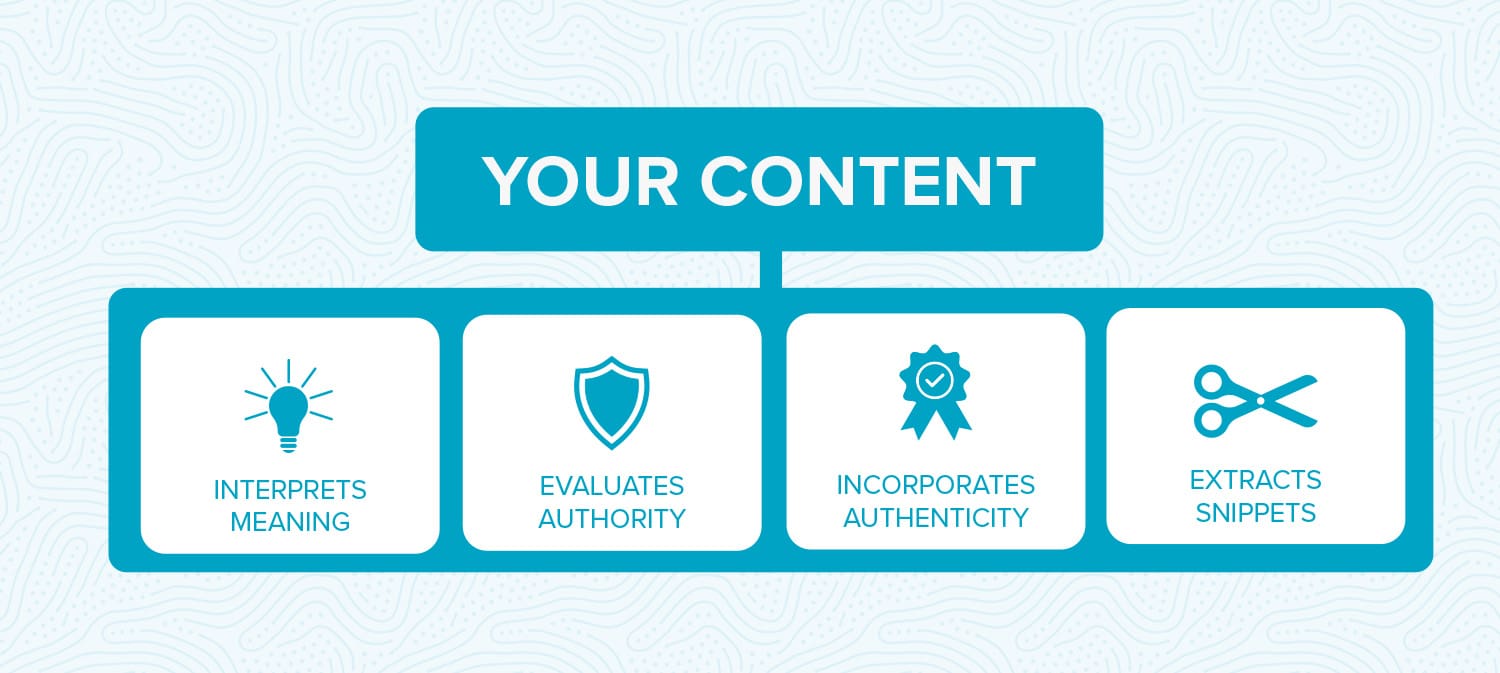
Here’s a high-level explanation of how AI systems process and interpret content.
- Interpret meanings, not just keywords. AI models use natural language understanding to understand content context, intent, and topic relationships. They identify key entities, such as people, organizations, and ideas, and map how those entities are connected, allowing the model to understand the “story” behind the content, not just words.
- Evaluate signals of authority and trust. Generative AI systems look for clues that the content is trustworthy and consistent with authoritative information online. Clear authorship, citation sources, structured data, and alignment with recognized expertise all help strengthen EEAT Signals — Experience, Expertise, Authority, Trustworthiness.
- Incorporate first-party data and authentic reviews. AI systems prioritize content that is backed by original data sources and authentic customer feedback. First-party information, such as original research or verified reviews, shows trustworthiness and authority, making your content more likely to be cited by AI platforms.
- Extract quotable and context-rich snippets. Rather than rank entire pages, AI tools extract concise, well-structured snippets (sentences, paragraphs, bullet points) that directly answer users’ questions. Content that is clearly formatted, factually specific, and rich in context is much more likely to be referenced in an AI-generated summary.
In short, AI SEO is about making your expertise machine-readable, reliable, and reusable. When content is meaningfully structured, authoritative, and easy to extract, it is much more likely to be included in the AI-driven answers that shape the way people discover information today.
Key points about optimization in the AI era
With this basic in mind, let’s talk about optimization. AI search optimization does not replace traditional SEO, but builds on it. While the same fundamentals that help rank content are still important, AI introduces new factors that determine how content is interpreted and cited.
Optimization elements for AI discovery and citations
If you’ve been practicing traditional SEO, much of what’s important to AI SEO will be familiar. AI SEO puts more emphasis on clarity, context, and authenticity. Optimization areas that are particularly important in the context of AI search include:
- Prioritize clarity and structure: AI models prefer content that is easy to parse. Use clear headings, short paragraphs, and a logical flow. Present the main points first, followed by supporting details. This is similar to how you create featured snippets. This makes it easier for the model to segment and summarize content.
- Write with context in mind, not just keywords: Go beyond keywords by using context-rich language. Mention people, organizations, and products by name and explain how they are related. This allows AI to understand relationships between entities, not just the terms themselves.
- Build authority through EEAT: Experience, expertise, authority, and credibility are always important for SEO, but they are even more important for AI SEO. Generative models rely on clear authors, trusted sources, and consistent online signals to decide which content to trust and cite. Keep author bios, credentials, and publication dates up to date to ensure your brand’s expertise is reflected consistently across your site, LinkedIn, and Google Business Profile.
- Add structure in the background: Schema markup is a type of code that helps search engines and AI understand what your website’s content is about, adding important context. Using schemas for FAQs, how-to content, organizations, people, products, and reviews helps AI understand the purpose and hierarchy of your web content. Adding this type of structure can involve some back-end work on your website, so working with a web developer can be helpful on the technical side.
- Monitor how AI represents your brand. Test prioritized topics on ChatGPT, Perplexity, and Google’s AI Overview to see how or if your brand is mentioned. If the summary is inaccurate or incomplete, adjust the formatting and presentation of the content and treat these observations like a new layer of performance analysis. As AI SEO continues to evolve, so too do the ways we measure success. Some SEO platforms, such as Ahrefs and Amplitude, are starting to report on AI visibility and generated search exposure.
Traditional SEO factors still matter
Even as AI introduces new optimization opportunities, traditional SEO fundamentals remain important. By paying attention to key SEO factors, your content is more likely to appear in both search results and AI-generated answers.
- Technical SEO: Fast loading times, mobile performance, and a crawlable architecture ensure that your content is accessible and understandable.
- Content depth: Comprehensive, high-quality articles that fully explore a topic provide the context that AI systems need to accurately connect ideas and understand subject relationships.
- Backlinks and mentions: Backlinks (links from other authoritative sites that refer to your content) continue to be one of the strongest indicators of authority, reinforcing trust in both traditional search engines and AI systems.
- User engagement: Increased time on page and interaction strengthens the real-world relevance of your content.
- Topic consistency: A clear internal linking structure and defined content hierarchy enhances perceived expertise.
Where to start with AI SEO
AI search is changing rapidly and there is a lot of new information to incorporate. If you’re looking for where to start, start with this prioritized checklist for making your website AI-enabled.
- Check your AI crawl settings. A general rule of thumb is that if your site allows Google or other search engines to crawl it, it also allows AI crawlers. Check your site settings and robots.txt file to ensure that AI bots like OpenAI’s GPTBot and Anthropic’s ClaudeBot can access your content. Fully restricting may limit how content appears in AI-generated answers. Crawl strategies may vary from organization to organization, so it’s best to work with your IT or development team to create a bot access plan that aligns with your site’s security and data sharing goals.
- Add FAQ content if it adds value. Not every page needs a FAQ section, but if it’s meaningful to your audience, it can help your content appear in AI-generated answers. FAQs are one of the most commonly cited content types for AI overviews and generated responses. Create a clear, well-structured FAQ section that directly and concisely answers frequently asked questions. Make sure your questions are specific, factual, and written in natural language that reflects the way users ask questions.
- Keep employee profiles up to date. Manage detailed staff biographies including awards, education, certifications, publications, and expertise. These profiles demonstrate trustworthiness and help both search engines and AI models understand the authority behind the content. If possible, link the employee’s bio to content he or she has created or contributed.
- Add schema markup. Structured data helps AI systems accurately interpret context. Work with your development team to ensure that relevant areas on your website include schema markup for content such as:
- FAQ – To clarify the question and answer format.
- Personality/Biography – Highlight your qualifications, expertise, and professional details.
- Organization – To enhance our company information, services, and locations.
- Product or Service – Clearly define what you offer and let our AI systems help connect your brand to relevant topics.
- Reviews or recommendations – add credibility signals and strengthen trust.
As AI continues to shape the way people discover and consume information, visibility requires more than powerful rankings. Visibility requires reliable, structured, and reliable content that both humans and machines can understand. By combining traditional SEO and AI SEO principles, we can ensure that their expertise remains part of the conversation, no matter how search evolves.
Looking for AI SEO expertise? Connect with the team at Click Rain to find out how you can enhance your search visibility for both people and AI.