The field of artificial intelligence and machine learning is growing rapidly, and with it comes the demand for skilled professionals. If you’re interested in becoming an AI/ML engineer, this guide will walk you through the steps necessary to get started.
AI/ML engineers are responsible for developing and implementing machine learning models that can make predictions or decisions based on data. These models are used in applications ranging from self-driving cars to medical diagnostics.
How to Become an AI/ML Engineer in 2023
Becoming an AI/ML engineer requires technical skills, hands-on experience, and a deep understanding of the field. This guide will help you navigate your path to becoming an AI/ML Engineer.
Step 1: Learn the basics of data science
Before diving into AI/ML engineering, it’s essential to understand the basics of data science. Data science is the foundation of machine learning and involves collecting, cleaning, analyzing, and visualizing data.
There are many resources available for learning data science, including online courses, books, and tutorials. Common tools for data science include Python, R, and SQL.


Understanding statistics, linear algebra, and calculus is essential to getting started with data science. These mathematical concepts are the building blocks of machine learning models.
Related: Comparing Artificial Intelligence (AI) and Artificial General Intelligence (AGI)
Step 2: Choose a programming language
There are many programming languages used in AI/ML engineering, but some of the most popular include Python, R, Java, and C++. Python is the most commonly used language in the field of data science due to its wide range of libraries and tools for machine learning.
Learning a programming language takes time and practice, but there are many online courses and tutorials to help you get started. Practicing coding yourself and working on personal projects to build your skills is also essential.


Once you’ve mastered a programming language, it’s essential to familiarize yourself with popular machine learning libraries such as TensorFlow, Keras, and Scikit-learn. These libraries provide prebuilt models and tools for developing machine learning applications.
Step 3: Learn Machine Learning Concepts
Machine learning is a complex field and it’s essential to understand the basic concepts before diving into AI/ML engineering. Some of the most important concepts to learn include supervised learning, unsupervised learning, and reinforcement learning.
Supervised learning trains a model on labeled data to make predictions or decisions on new data. Unsupervised learning trains a model on unlabeled data to identify patterns or clusters. Reinforcement learning involves training models to make decisions based on rewards or punishments.


Understanding different types of machine learning algorithms such as decision trees, neural networks, and support vector machines is also essential.
Related: The Age of AI: A Beginner’s Guide to Artificial Intelligence
Step 4: Build Your Own Project
One of the best ways to hone your skills as an AI/ML engineer is by working on personal projects. These projects range from predicting stock prices to developing chatbots.
Data science competitions such as Kaggle provide a great opportunity to test your skills and learn from other experts in the field. These competitions involve developing machine learning models to solve real-world problems.


By building your own project, you can apply the concepts you learn and gain hands-on experience. We also provide a portfolio of work to showcase to potential employers.
When building your project, it’s essential to keep in mind best practices for developing machine learning models, including data preprocessing, model selection, and evaluation.
Step 5: Enter the data science competition
Participating in data science competitions gives you the opportunity to tackle tough problems and get exposed to the latest techniques and tools used in the field. It also provides an opportunity to network with other professionals in the field.


Winning a data science competition can also be a valuable addition to your portfolio or resume.
Step 6: Attend industry conferences and meetups
Attending industry conferences and meetups is a great way to stay on top of the latest trends and technologies in AI/ML engineering. These events provide an opportunity to network with and learn from other experts in the field.

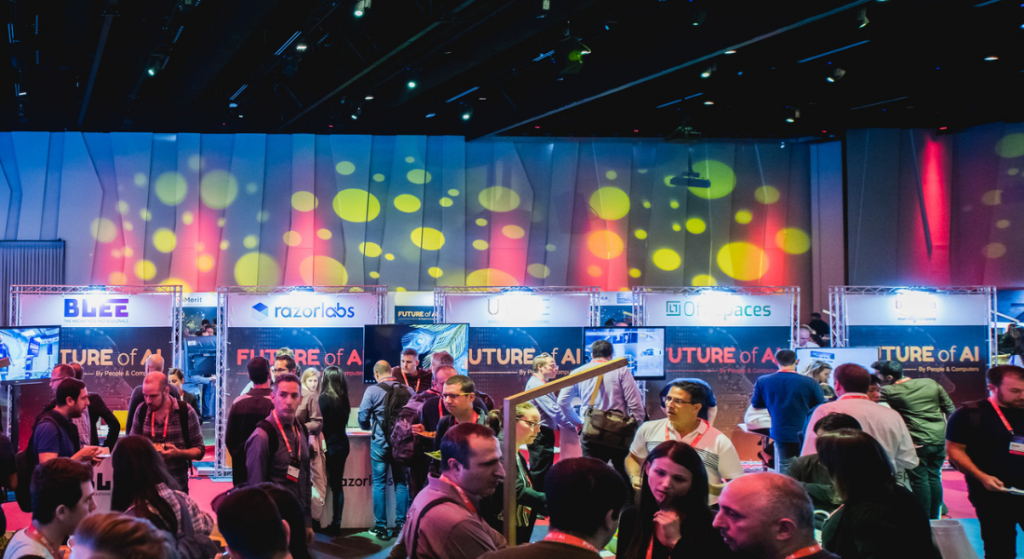
Popular conferences and meetups on AI/ML engineering include the Annual Conference on Neural Information Processing Systems (NeurIPS), the International Conference on Machine Learning (ICML), and the TensorFlow meetup.
Attending these events will also add valuable information to your resume and demonstrate your commitment to the field.
Related: AI in Law: Top Software for Law Firms in 2023
Step 7: Apply for internships and entry-level positions
Internships and entry-level positions are a great way to gain hands-on experience in AI/ML engineering. These positions offer the opportunity to work on real projects and learn from experienced professionals.
Companies offering AI/ML engineering internships and entry-level positions include Google, Microsoft, and Amazon. It’s also essential to check with local startups and businesses that may be hiring in your area.


Demonstrating your skills and experience through a well-written resume and portfolio is essential when applying for these positions.
Step 8: Keep learning and stay up to date
The field of AI/ML engineering is constantly evolving, and it’s imperative to constantly learn and stay up to date with the latest trends and techniques.
Ways to continue learning include reading research papers, taking online courses, and attending industry conferences and meetups. Also, practicing your coding skills and working on personal projects is essential.


Keeping your field up to date with the latest tools and technology also gives you a competitive edge in the job market.
Related:
Conclusion
Becoming an AI/ML engineer requires technical skills, hands-on experience, and a deep understanding of the field. By following the steps outlined in this guide, you can start on your path to becoming an AI/ML engineer.
Don’t forget to keep learning and staying up to date with the latest trends and techniques in this field. With dedication and hard work, you can build a successful career in AI/ML engineering.