City mobility is undergoing unprecedented transformation through the application of smart technology.
One of the most promising innovations is the automation of bus door open systems through the combination of artificial vision and artificial intelligence (AI) presented by Busworld's Masats. This data management enables other value-added services for future vehicle access.
What does this technology consist of?
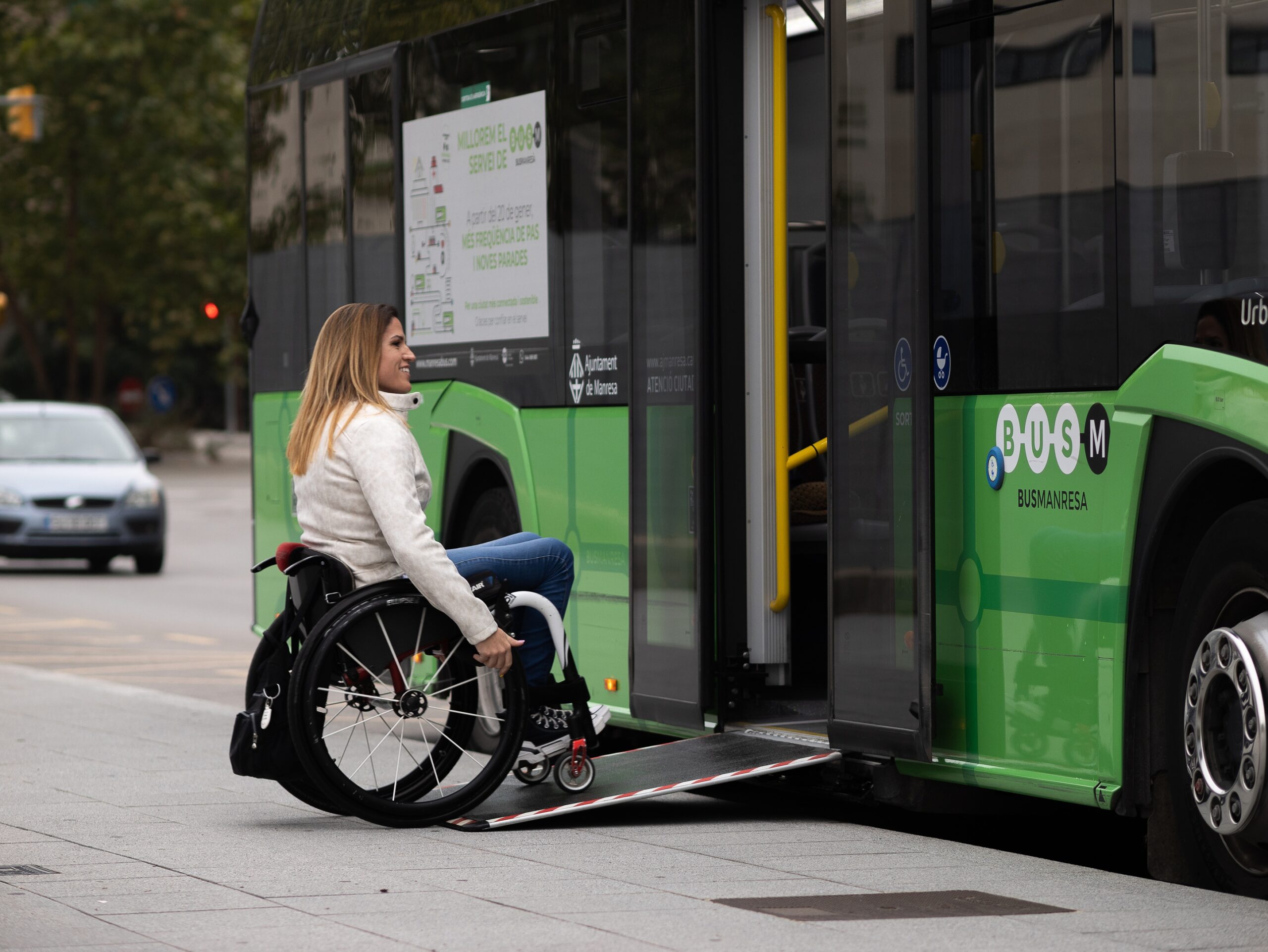
Currently, on most buses, passengers need to press a button to request that the door be opened. For people with reduced mobility (PRM), you will need to press a button to request that the automatic lamp be opened or the driver deploys the manual lamp.
The MaSats Aida system integrates artificial vision cameras and AI algorithms to allow the system to automatically detect the presence and intent of passengers waiting at the door.
- Identifies when a passenger approaches and turns on or off.
- They are aware of whether the person has reduced mobility: wheelchair users, or people with visual impairments.
- Order the door to be opened and, if necessary, lamps to automatically unfold and sound the acoustic warning signal without the need for passengers to take additional actions.
- If a user is detected while the door is closed, the slowly closed function will become active, giving people time to move. No sensors are required to prevent the door from closing.
The advantages of the system
- Greater Universal Accessibility: Eliminate barriers for elderly people, people with disabilities, or simply people with full hands (trolleys, bags, etc.).
- Convenience and speed: You need to speed up the flow of passengers, avoid waiting, find and press the button.
- Improved safety: An artificial vision system also allows you to open the door or make sure there are no obstacles before you unfold the lamp. The system can alert the vehicle to kneel if the user needs it, minimizing the risk of falling when boarding or exiting the vehicle.
- Energy saving: Efficient automatic opening optimizes door opening times and therefore energy consumption.
- Less stress on the driver: Staff don't need to constantly intervene in manual lamp openings, allowing them to focus on driving and road safety.
- Operational efficiency: Increased boarding and equipment speeds reduce stop times at each station and improve fleet punctuality.
- Innovative Images and Social Commitment: Transport companies implementing this technology will strengthen their role as pioneers in public transport accessibility, inclusion and modernization.
A step towards future mobility
Incorporating artificial vision and artificial intelligence into the bus door opening system is a clear example of how technology can improve the user experience and ensure more comprehensive and efficient mobility.
This solution not only meets current demand for accessibility and comfort, but also paves the way for future smart, autonomous public transport, fully integrated into the smart city ecosystem.
This new technology can be experienced at Busworld's Hall 5 Masats Stand.
This article was originally published by Masats.