Human-centered machine learning (HCML) focuses on developing AI systems that resonate with human values and practical needs. Unlike traditional AI, which often chases raw computing power, HCML prioritizes transparency, interpretability, and fairness. Transparent AI systems allow users to understand the logic behind decision-making and promote trust in applications such as personalized recommendations and health monitoring tools. Interpretable models, for example, make the technology feel like a black box, as it makes the fitness apps suggest specific workouts. Apple's workshop highlighted the creation of AI that users can rely on, particularly in sensitive areas such as accessibility and privacy.
Workshop highlights: Ethics and innovation
The 2024 workshop was led by Jeffrey P. Bigham, director of human-centered machine intelligence and responsibility, and explored several cutting-edge topics. In one session, we explored an interpretable machine learning model that decomposes complex algorithms into understandable processes. This transparency is essential for users who rely on AI-driven features such as voice assistants and predictive text to feel confident in their interactions. Another discussion focused on strategies to address the social implications of AI and to mitigate biases that could reinforce stereotypes or exclude marginalized groups. These sessions highlight Apple's commitment to ethical AI, ensuring that its technology serves diverse groups without unintended harm.
Accessibility as a driving force
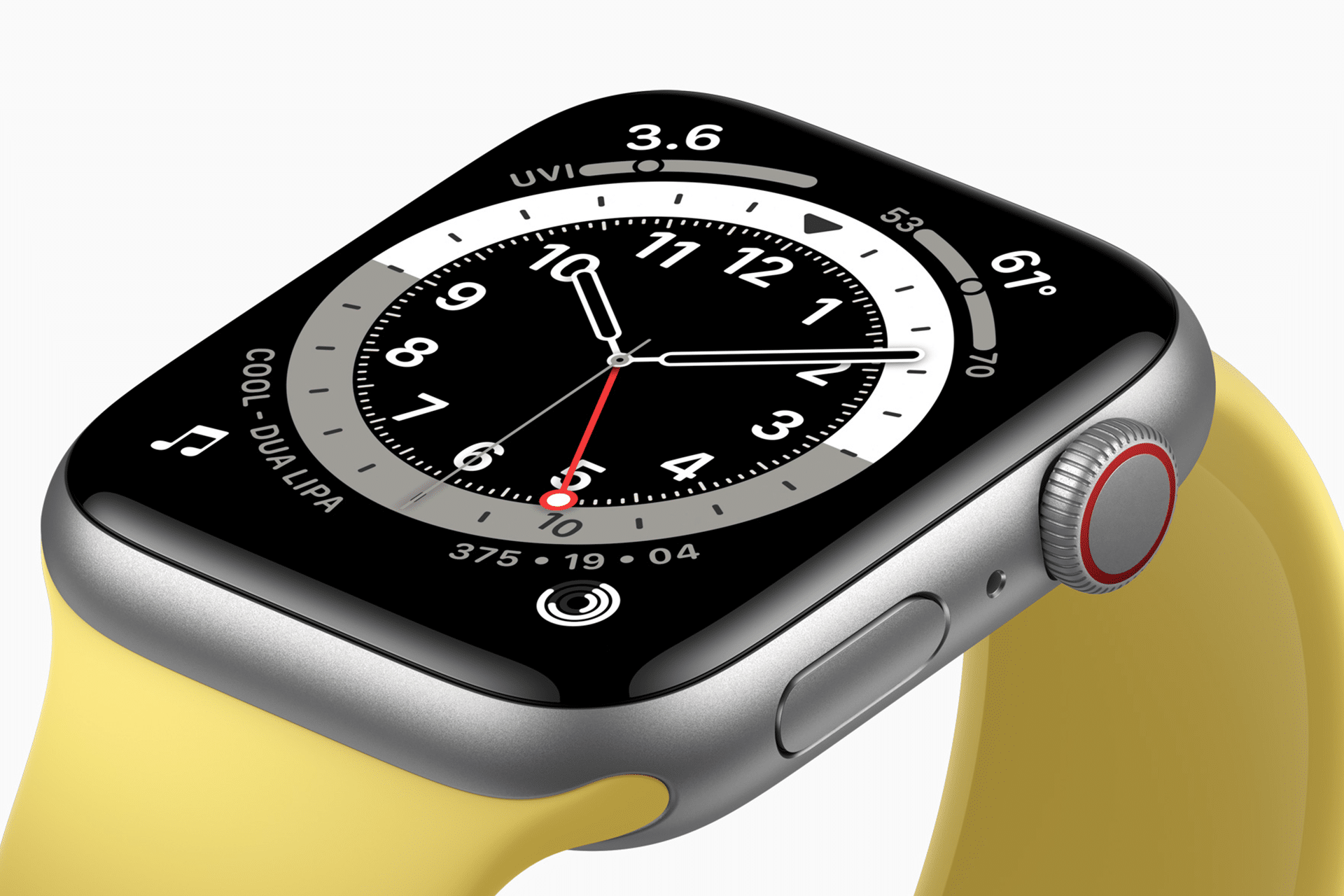
Accessibility was a central theme in the workshop, reflecting Apple's dedication to inclusive design. Researchers have shown advances like the Apple Watch's Assistivetouch. It uses machine learning to detect subtle muscle movements via motion sensors. This feature allows users with differences in their limbs to use gestures such as pinch and clench to navigate the interface, answer calls, and take actions such as checking notifications. Another example is AI integration in narration that describes on-screen content of visually impaired users. By leveraging on-device machine learning, these features provide real-time functionality without compromising user privacy and show you how HCML can translate accessibility.

Shaping the future of AI development
Apple's HCML approach goes beyond its own products, aiming to impact the wider high-tech industry. By sharing recordings of workshops, the company encourages researchers and developers around the world to adopt human-centered principles. The session highlighted methods such as differences in privacy. This allows Apple to gather insights from user data while protecting individual identities. This method will improve features such as predictive text and health tracking without releasing personal information. The workshop also explained the importance of predicting the social impact of AI. For example, preventing algorithms from amplifying biases to employment and content recommendations.
Collaboration and global impact
The release of the workshop video coincides with Apple's active involvement in global AI research. In 2025, the company has participated in major conferences such as the International Conference on Learning Expression (ICLR) and the IEEE/CVF Conference on Computer Vision and Pattern Recognition (CVPR). These platforms allow Apple researchers to exchange ideas with their peers and drive advancements in areas such as computer vision and natural language processing. By publishing workshop content, Apple promotes a collaborative environment and invites the global research community to explore human-centered AI. This openness reinforces the company's role as a leader in responsible technology development.
Why is it important to users?
For everyday users, Apple's focus on HCML translates into a more intuitive and comprehensive device. Features with human-centered AI, such as improved SIRI responses and personalized health insights, make technology feel like a natural extension of everyday life. By prioritizing accessibility and transparency, Apple ensures that its products meet a wide range of needs, from helping users with disabilities to protecting the privacy of everyone. Workshop insights suggest that future Apple devices will continue to improve these features, making interactions smoother and more meaningful.