

This collaborative initiative exemplifies the convergence of science taking place at Imperial, bringing together cross-departmental expertise to transcend silos and stimulate new scientific advances that impact society.
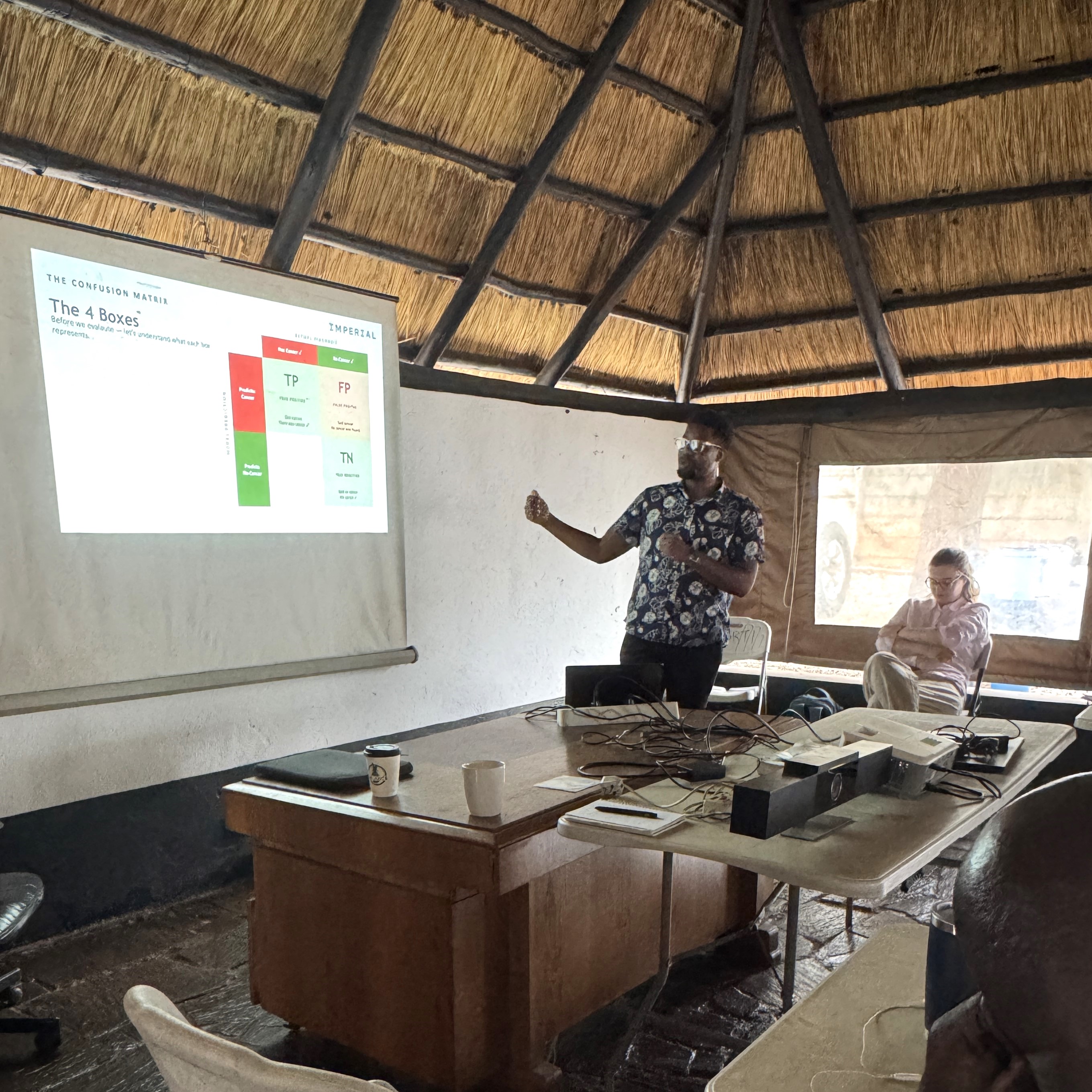
This month, a team from Imperial College London traveled to Harare, Zimbabwe to run a three-day intensive course on machine learning for healthcare.
The course, titled “Machine Learning for Health Applications,” brought together graduate students, clinicians, and researchers from across departments.
The hybrid program, which ran from March 2 to 4, focused on developing practical machine learning skills with applications relevant to local healthcare situations.
The course was delivered in partnership with local organizations such as the Zimbabwe Biomedical Research and Training Institute (BRTI), the Zimbabwe Health Research Unit (THRU ZIM) and Neotree.
Practicing fusion science
The course is carried out by PhD students, researchers and local data scientists, working closely with society. humans and artificial intelligence and health and technology strand of Imperial Convergence Science School.
The Teikoku PhD students and researchers involved are from both the Department of Neuroscience and the Department of Infectious Diseases, reflecting the cross-departmental nature of this initiative.
Professor Payam Varnagi, professor of medically applied machine intelligence in the Department of Brain Sciences and co-director of the Human and Artificial Intelligence theme, is one of the academic leaders who helped bring the organizing team together.
Teikoku team supporting delivery
Dr Felicity Fitzgerald, Clinical Associate Professor of Pediatric Infectious Diseases, splits her time between Imperial’s Department of Infectious Diseases and BRTI’s THRU ZIM in Zimbabwe.
Ongoing collaboration with Dr Fitzgerald, Professor Barnaghi and Imperial’s Institute for Translational Machine Intelligence (TMI Lab) This occasion was facilitated by:
- Iona Biggart – Department of Brain Sciences, Pediatric AI PhD Student
- Marco Reed – Department of Neuroscience, PhD student in AI for Pediatrics
- Aditi Rao – Department of Infectious Diseases, PhD Student in Pediatric Infectious Diseases
- Kevin Meck – Visiting Scientist, Division of Infectious Diseases, Biomedical and Applied Medical AI Engineer at Neotree and THRU-Zim
Professor Barnaghi attended as a guest lecturer on behalf of the School of Convergence Sciences, Humans and Artificial Intelligence.
Antigone Vogel, a doctoral student majoring in AI for dementia research in the Department of Brain Sciences, also participated as a guest lecturer.
Professors Iona Biggart, Marco Reed, Antigone Fogel and Barnaghi are all part of Imperial’s TMI Lab.
Course overview
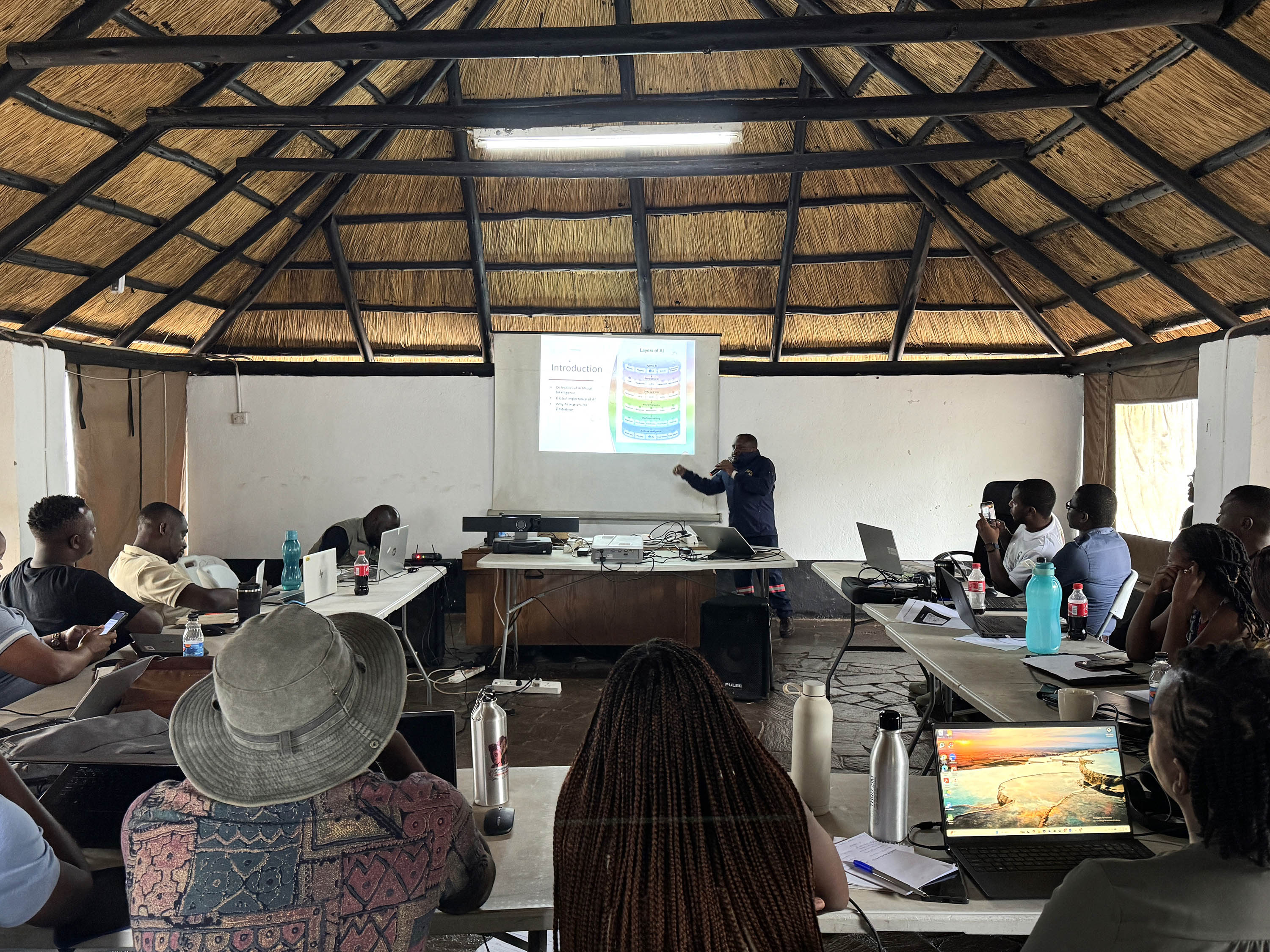
The group was incredibly diverse, including experienced data scientists, healthcare professionals, and graduate students, resulting in rich discussions and lots of mutual learning. The guest lecture led to a lively and in-depth discussion on Zimbabwe’s AI infrastructure and capabilities. marco reed Doctoral student in the field of pediatric AI, Department of Brain Science
Over the course of three days, participants learned core topics such as supervised and unsupervised learning, linear models, and evaluation metrics, before moving on to tree-based models and support vector machines.
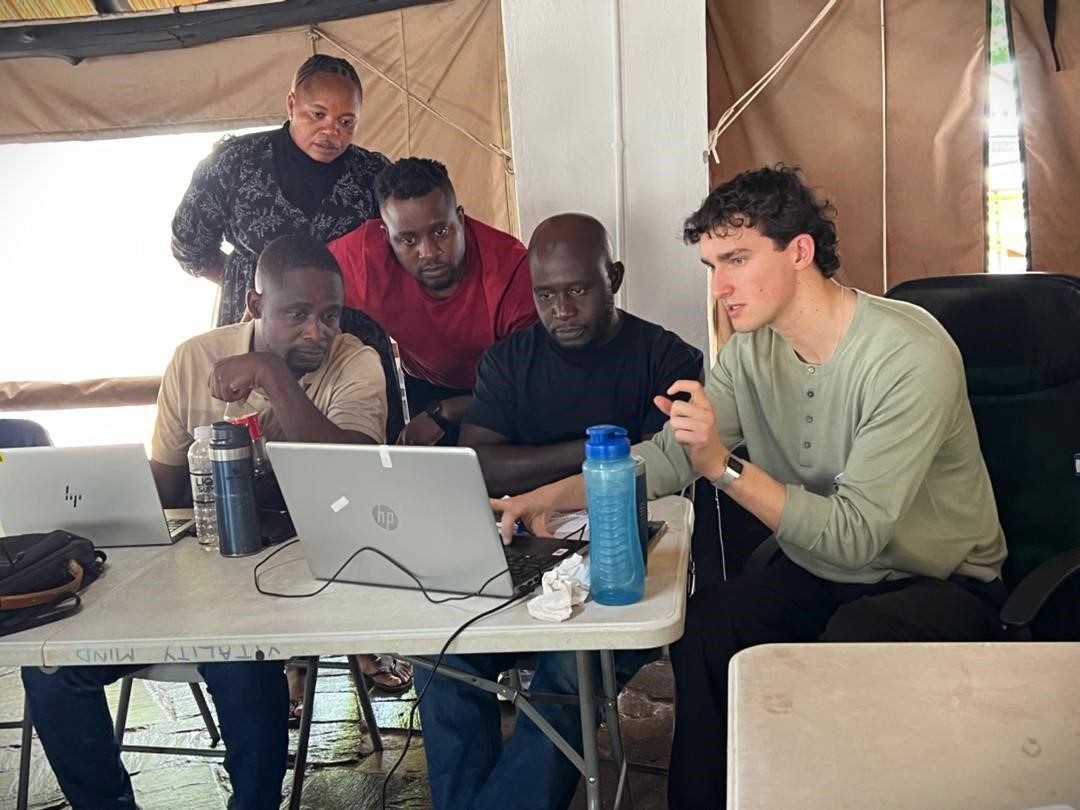
Each morning lecture was paired with an afternoon hands-on workshop, giving participants first-hand experience building and evaluating models.
The final day of the course brought the material to life through real-world use cases drawn from healthcare settings in the UK, Malawi and Zimbabwe, including work from Neotree and Imperial’s TMI labs.
A particular highlight, according to participants, was the webinar on Machine Learning in Healthcare, which was co-hosted by Professor Barnagi and Professor Tawanda Musiri, Associate Professor of AI and Robotics at SIRDC, in partnership with the University of Zimbabwe. Discussion points included ethics and AI in healthcare and the future of AI in Zimbabwe.
Additionally, as a guest lecturer on the course, Professor Musiri spoke about Zimbabwe’s newly announced National AI Strategy and provided background on how machine learning fits into the country’s broader ambitions to advance technology and healthcare.
Based on past collaborations
The initiative follows a successful and high-profile workshop held in Zimbabwe in June 2025, in partnership with the University of Zimbabwe, Imperial University, Neotree University and UCL, which brought together academics and entrepreneurs from the UK and Africa to explore and champion the transformative role of AI in shaping healthier societies.
The 2025 event was designed by Dr Fitzgerald, hosted by the University of Zimbabwe, and funded by the Wellcome Trust and the Foreign and Commonwealth Development Office (FCDO).
Strengthen long-standing bonds
This course grew out of an existing relationship between TMI Lab and Dr Felicity Fitzgerald and collaborative research into neonatal sepsis in Zimbabwe.
Dr Fitzgerald’s work connects her through her role at THRU ZIM with Neotree, a project led by Professor Michelle Hayes (Professor of Global Child Health and Community Pediatrician at UCL and NIHR), where she is involved in data collection and development of clinical decision support in hospitals in Zimbabwe and Malawi.
Marco Reed and Iona Biggart, who taught this course, have been collaborating with Dr. Fitzgerald, Kevin Meck, and Neotree to develop machine learning algorithms for early-onset neonatal sepsis detection.
But working on the front lines of implementation highlighted the need to bridge the gap between those developing tools and those working on the front lines of the health system.
Iona, Marco and Kevin also drew on their experience teaching the Machine Learning module for Neuroscience in the MSc Translational Neuroscience at Imperial to design a three-day course with Dr Fitzgerald to address this gap in implementation.
Synergies between the UK and Zimbabwe
Marco Reed reflects on his experience collaborating on this initiative:
“What made this course particularly memorable was the energy that the participants brought to the course. Participants arrived early each morning, and many stayed long after the afternoon workshop, continuing conversations with the teaching team and other participants.”
He added:
“The group was wonderfully diverse, spanning experienced data scientists, healthcare professionals, and graduate students, resulting in rich discussions and lots of collegial learning…The guest lectures led to a lively and in-depth discussion of Zimbabwe’s AI infrastructure and capabilities…The interactive sessions were also a highlight for the teaching team. It was rewarding to break down concepts to their basics and watch the group tackle the problem together, sometimes refusing to move forward until it was completely solved.”
One anonymous participant shared:
“This course was a transformative experience that effectively bridged theory and real-world application. The practical component was especially valuable for me as my master’s program focuses on causal inference… This course greatly enhanced my ability to apply data-driven methods to real-world medical challenges. I am truly grateful for this experience.”
Free AI forever
The course reflects the university’s broader commitment to building machine learning capabilities in environments where it can have a measurable impact, and the team hopes to continue this commitment with further training opportunities in the region.
The work works closely with Imperial’s School of Convergence Science, Humans and Artificial Intelligence, which works to advance AI based on real people, contexts and workflows, for the benefit of society.
This opportunity allows Imperial to strengthen its links with Africa and reflects our commitment as a university to act as a partner to knowledge and technology organizations around the world.
The education team would like to build on this experience and hope to offer similar content again in the future.

Acknowledgment
This trip was made possible in part through the Imperial Dean’s PhD Professional Development Award, which supported the students’ trip, and further support from the University Department, THRU Zim, BRTI Zimbabwe, Wellcome Trust, Neotree, SOFAR, EDCTP3, the European Union and Dementia UK Research Institute.
Faculty of Interdisciplinary Science
The Faculty of Convergence Science is Imperial’s mission-driven initiative, built on the Science for Humanity strategy and delivering on the University’s Convergence Science vision: working together at scale in radically new ways on missions that shape the future.
It focuses on areas related to some of humanity’s biggest challenges and four themes where Imperial research excels: humans and artificial intelligence, health and technology, space security and telecommunications, and sustainability.
The school accelerates scientific progress by integrating disciplines, convening cross-disciplinary partnerships, and promoting new research models, championing approaches to scientific inquiry that lead to world-changing innovations.
Please see the school website here.


